





Related Posts



By Candace Lee • October 28, 2025 • 9 mins read


Products featured on Ntrl Look are chosen independently by our editorial team. When you shop through our affiliate links, we may receive a commission at no extra cost to you.
Dark spots, uneven skin tone, post-breakout marks—hyperpigmentation comes in many forms and can feel frustratingly stubborn. Whether it’s lingering from last summer’s sun exposure, hormonal changes like melasma, or old acne scars, those patches of excess melanin have a habit of overstaying their welcome.
Here’s the good news: the right treatment ingredients can make a real difference. We’ve spent years testing brightening actives and refining routines for various types of pigmentation. From antioxidant powerhouses to gentle resurfacers, these are the hero ingredients that consistently deliver results when used correctly and consistently.
Hyperpigmentation occurs when your skin produces excess melanin, the pigment that gives skin its colour. According to the American Academy of Dermatology, common triggers include UV exposure, inflammation, acne, hormonal changes, and skin injury—basically, anything that prompts your skin’s defence mechanisms to go into overdrive.
The three main types you’ll encounter:
Sun spots result from cumulative UV exposure, typically appearing on areas that see the most sun, like your face, hands, and décolletage. Post-inflammatory hyperpigmentation (PIH) refers to those leftover marks from acne, irritation, or any trauma to the skin—they’re essentially your skin’s overenthusiastic healing response. Melasma is hormonally triggered pigmentation that creates symmetrical patches, often on the cheeks, forehead, and upper lip, and tends to be more stubborn than other types.
Understanding which type you’re dealing with helps inform your treatment approach, though the fundamental principles remain consistent: inhibit melanin production, accelerate cell turnover, and protect religiously from UV.
The ultimate brightening champion, vitamin C (ascorbic acid) is your first line of defence against brown spots and uneven tone. This potent antioxidant doesn’t just protect your skin from free radical damage—it actively inhibits melanin production, helping to fade existing pigmentation while preventing new dark spots from forming.
We’ve tested countless vitamin C formulations and found that stabilised forms deliver the most consistent results without oxidising quickly. While vitamin C works beautifully on most skin types, those with sensitive complexions should start with lower concentrations (around 10%) to avoid irritation. Apply in the morning before SPF for double the protective benefits—the antioxidant action complements your sunscreen’s UV defence. vitamin C for maximum efficacy, and apply in the morning before your SPF for double the protective benefits.
If your skin prefers a gentler approach, niacinamide (vitamin B3) tackles discolouration and post-inflammatory hyperpigmentation from multiple angles. It blocks melanin from transferring to skin cells, calms inflammation that can trigger pigmentation, and strengthens your skin barrier in the process.
The beauty of niacinamide is its versatility—it pairs well with other actives, suits sensitive skin types, and delivers results without potential irritation that stronger ingredients can cause. Plus, the added barrier support means your skin feels bouncier and more resilient, not just brighter. We use it in both morning and evening routines because there’s essentially no downside. The added barrier support means your skin will feel bouncier and more resilient, not just brighter.
When it comes to transforming skin, retinoids (vitamin A derivatives like retinol, retinal and retinoic acid) are the gold standard. These powerhouse ingredients accelerate skin cell turnover, essentially speeding up your skin’s natural renewal process. As fresh cells come to the surface, dark marks gradually fade and melanin distribution becomes more even.
Here’s the thing with retinoids: they’re potent, which means starting slowly is essential. Begin with a low concentration once or twice a week, gradually building up as your skin acclimatises. Always apply retinoids at night (they break down in sunlight) and never skip morning SPF—your skin will be more sensitive to UV damage during the adjustment period.
We’ve found that consistency matters more than concentration. A lower-strength retinoid used regularly will outperform a high-strength formula used sporadically because you can’t tolerate it.
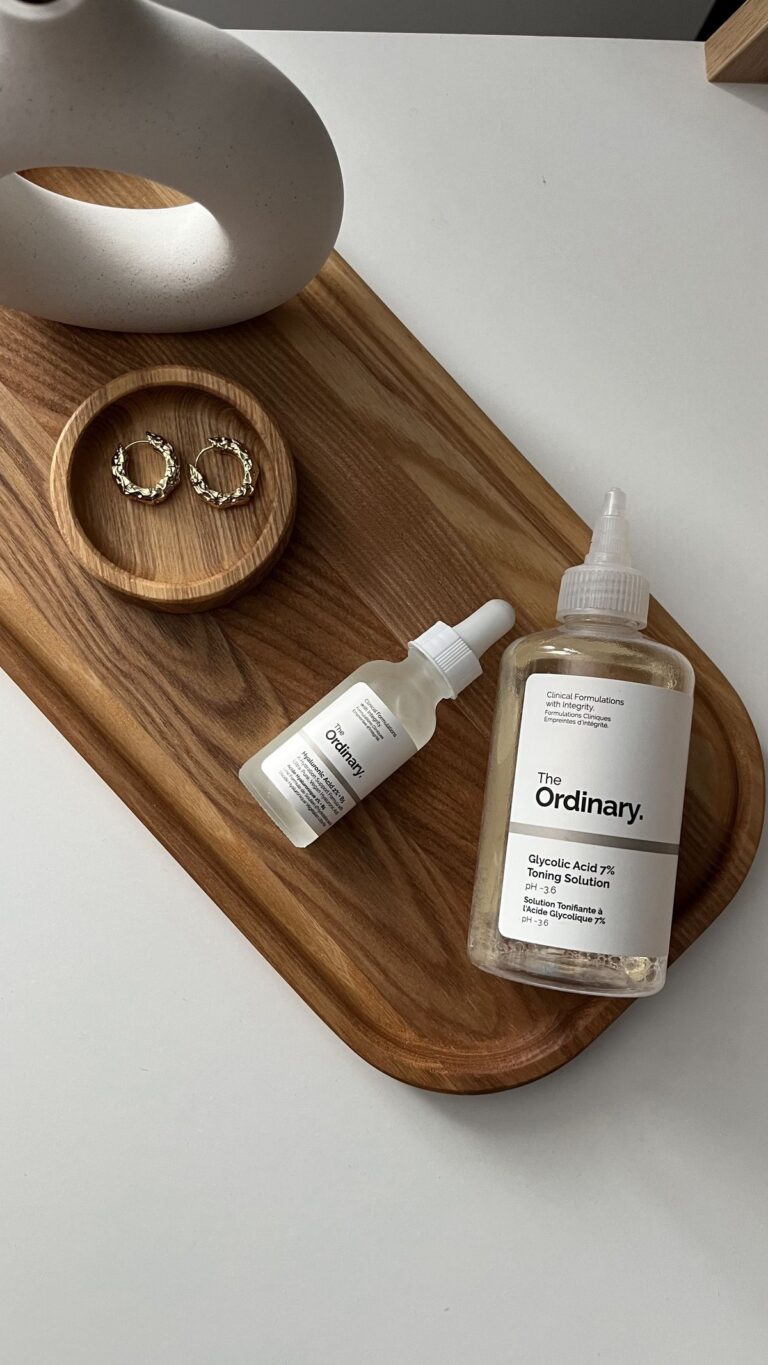
Think of exfoliating acids (AHAs like glycolic and lactic acid, plus BHAs like salicylic acid) as your skin’s renewal system. These chemical exfoliants dissolve the bonds holding dead skin cells together, revealing brighter, fresher skin underneath while promoting cell turnover that helps fade pigmentation.
Glycolic acid, with its smaller molecular size, penetrates deeper for more visible results. Lactic acid offers a gentler option that’s particularly kind to sensitive skin types. Unlike physical scrubs, liquid exfoliants work without abrasion, making them ideal for delicate or inflamed skin.
Start with a lower concentration a few times a week, and always follow with SPF during the day. Combining exfoliating acids with niacinamide or vitamin C can make your brightening routine even more effective—just introduce them gradually to avoid overwhelming your skin.
Here’s the truth: you could have the most sophisticated brightening routine in the world, but without daily SPF, you’re essentially undoing all that effort. UV exposure is one of the leading causes of hyperpigmentation, triggering melanin production to go into overdrive. Even on cloudy days, even through windows, UV rays are stimulating those pigment-producing cells.
A broad-spectrum SPF 30 or higher isn’t just a nice-to-have—it’s absolutely non-negotiable. Apply it every single morning as the final step in your routine, reapply throughout the day if you’re outdoors, and consider it your most powerful pigmentation-prevention tool. Treating existing pigmentation is one thing, but preventing new marks from forming? That’s the real secret to lasting results.
Setting realistic expectations is crucial because pigmentation doesn’t disappear overnight, regardless of what products you use.
Mild sun spots typically fade within 4-6 weeks with consistent treatment. Post-inflammatory hyperpigmentation from acne usually takes 3-6 months to significantly improve. Melasma is chronic and requires ongoing management—it may fade but often returns, especially with sun exposure or hormonal changes. Deeper dermal pigmentation may require professional treatments and can take substantially longer.
Consistency is essential for results. We’ve seen people give up at the 6-week mark when their pigmentation is just starting to respond. Stick with your routine for at least 12 weeks before evaluating whether it’s working.
Morning:
Vitamin C serum for antioxidant protection and melanin inhibition. Niacinamide (can be combined with vitamin C in modern formulations). Moisturiser suited to your skin type. SPF 30 or higher, reapplied every 2 hours if outdoors.
Evening:
Gentle cleanser to remove SPF and daily buildup. Retinol or retinal (start 2-3 times per week, build to nightly). Hydrating serum or treatment. Moisturiser to seal everything in.
Weekly:
AHA or BHA exfoliant 1-3 times per week, depending on tolerance. Optional: azelaic acid or tranexamic acid for targeted treatment.
Critical notes: Introduce new ingredients gradually—add one at a time, waiting 2-3 weeks before adding another. If using multiple activities, consider alternating nights rather than layering everything. Always prioritise sun protection over everything else.
Getting rid of hyperpigmentation isn’t about finding one miracle ingredient—it’s about building a consistent routine with complementary actives that work together. Start with vitamin C serum in the morning for antioxidant protection. Add niacinamide for gentle melanin suppression and barrier support. Introduce retinol at night for cellular renewal. Incorporate exfoliating acids a few times weekly for resurfacing. Seal it all with daily SPF, reapplied as needed.
For stubborn pigmentation, explore professional options like laser treatment or chemical peels after exhausting topical routes. If preferring gentler interventions, try evidence-backed natural ingredients like liquorice extract or kojic acid in well-formulated products.
Remember: patience is essential. Pigmentation can take months to fade, but with the right dermatologist-recommended ingredients and unwavering sun protection, clearer, more even-toned skin is absolutely achievable. We’ve seen it work countless times when people commit to consistency rather than constantly switching products.
What causes hyperpigmentation on skin?
Hyperpigmentation occurs when excess melanin is produced. Common causes include sun exposure, acne scars, hormonal changes (like melasma), inflammation, or skin injury. Essentially, anything that triggers your skin’s defence response can potentially cause excess pigmentation.
How can I get rid of hyperpigmentation quickly?
“Quickly” is relative with pigmentation. For faster results, use dermatologist-approved treatments like vitamin C serums, retinoids, AHAs or BHAs, and sunscreen daily. Professional treatments like chemical peels, laser therapy, or microdermabrasion can accelerate fading, but still require 8-12 weeks for noticeable improvement.
Can hyperpigmentation go away naturally?
Yes, mild hyperpigmentation can fade naturally over time if you protect your skin from sun and avoid picking at spots. However, deeper pigmentation often requires active treatment. Natural fading can take 6-12 months or longer without intervention.
What’s the best serum for hyperpigmentation?
Serums containing vitamin C, niacinamide, alpha arbutin, kojic acid, or tranexamic acid are effective for fading dark spots and evening tone. The “best” depends on your skin type and tolerance—sensitive skin does better with niacinamide, while resilient skin can handle vitamin C and retinoids together.
How long does it take to fade hyperpigmentation?
It depends on severity and cause. Mild dark spots may lighten within 4-6 weeks, while deeper pigmentation like melasma or post-acne marks can take several months with consistent skincare and SPF use. Patience and consistency matter more than aggressive treatment.
What’s worked for your hyperpigmentation? Share your experience in the comments below! Active for fading dark spots and evening out skin tone.
Publishing industries for previewing layouts and visual mockups.