

Related Posts


By Siena Brown • June 1, 2026 • 6 mins read


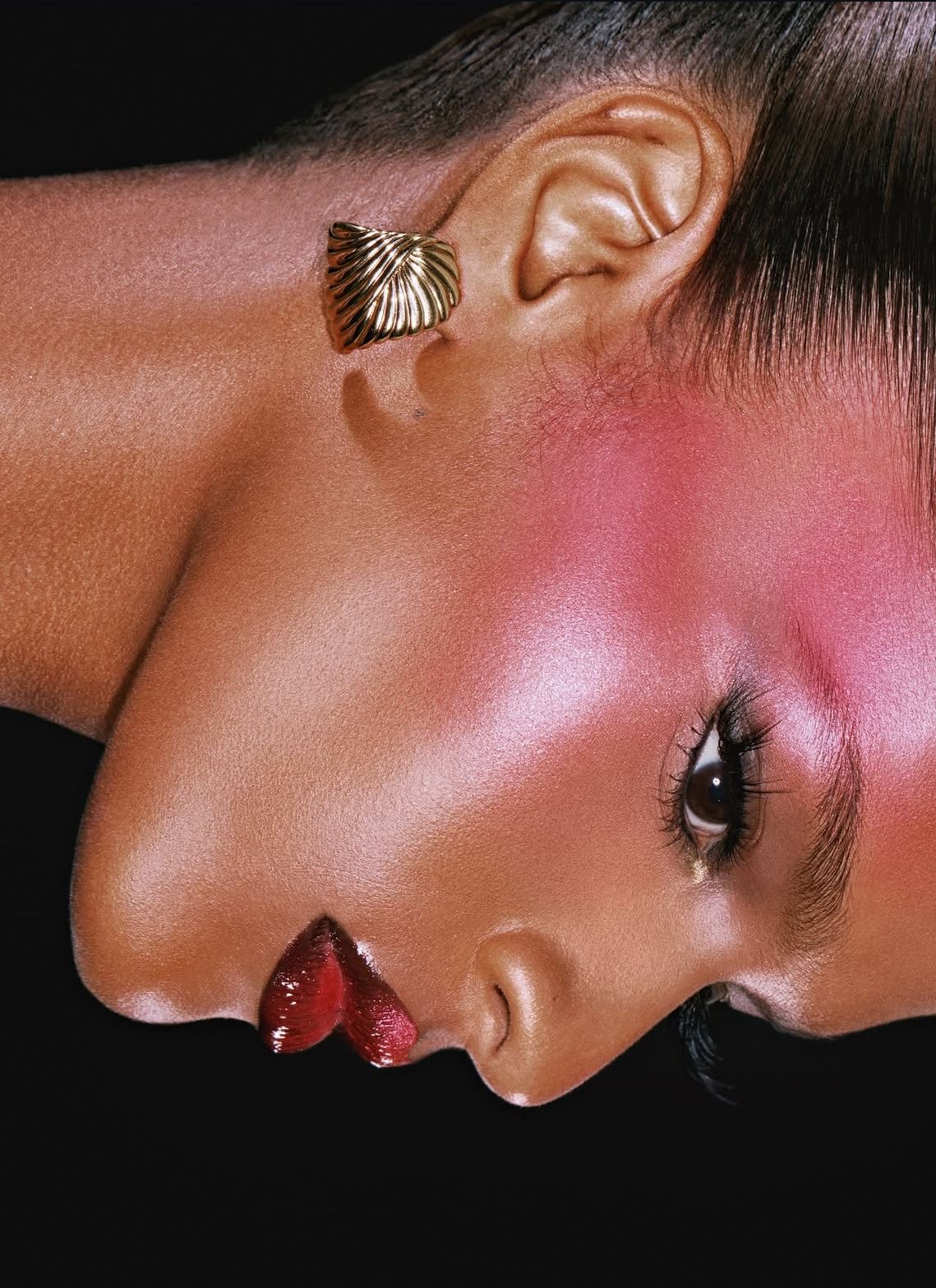
Makeup that performs perfectly in cooler weather can fall apart within hours once temperature and humidity rise. Foundation slides, eyeshadow creases, blush fades, and that carefully blended base starts to separate by midday. The good news is that most of this is preventable with a few adjustments to your formula choice, prep, and technique. This article covers exactly what to change to keep your makeup intact through heat, sweat, and humidity.
Heat and humidity affect makeup through two main mechanisms, and both work against the base at the same time.
Increased temperature triggers an increase in oil production. Meaning your sebaceous glands respond to heat by producing more oil, and that extra oil breaks down the bond between foundation and skin, causing the base to slide and separate faster than it would in cooler conditions.
Humidity adds moisture to the equation in a different way. High moisture in the air means sweat evaporates more slowly, so it sits on the skin longer and interacts with makeup for longer. The combination of oil from underneath and moisture from sweat on top is what causes your foundation to slide, eyeshadow to crease into fine lines, and powder products to look patchy rather than blended.
Understanding this combination is the key to adjusting your routine in your favour. The goal isn’t to fight oil and moisture entirely — it’s to choose formulas and techniques that work with these conditions rather than against them.
Skin prep matters even more in hot weather, not less — though the products used shift.
Using a lighter moisturiser is the first adjustment to make. A heavy cream that works well in cooler months can feel suffocating in heat and adds to the oil and moisture load that’s already increased. A gel-based or lightweight lotion moisturiser provides the hydration skin still needs without adding extra weight.
An oil-control primer becomes more useful in hot weather specifically. Primers designed to mattify and absorb excess oil create a more stable surface for foundation, reducing how quickly the base starts to slide as oil production increases through the day.
Skipping prep steps to “let skin breathe” in hot weather is one of the most common mistakes — and it backfires. Unprepped skin in heat produces more oil faster, which makes makeup break down even quicker than it would on properly prepped skin. The prep routine doesn’t change in principle, just in formula choice. For the full prep approach this builds on: [What Skipping Skin Prep Does to Your Makeup].
Long-wear and matte foundations are designed specifically for these warmer days, and they perform noticeably better than dewy or natural-finish formulas in hot weather.
This doesn’t mean choosing a heavy, cakey formula. Most long-wear foundations are lightweight and breathable while still offering you the oil-resistant finish that holds through heat. The key feature to look for is a formula described as transfer-resistant or long-wear, which means it’s been designed to bond with skin in a way that resists oil and moisture disruption.
Setting powder technique matters more in heat. A light dusting of translucent powder pressed into the T-zone and other oil-prone areas — rather than swept across the whole face — controls shine without making the base look flat or heavy. Reapplying a small amount through the day in the same targeted areas extends this control without adding visible product build-up.
Also to note, very heavy, full-coverage formulas often perform worse in heat than lighter ones. Thick formulas sit on top of the skin rather than bonding with it, and as oil and sweat increase, that thicker layer is more likely to slide as a whole rather than wearing down gradually.
Eyelids are usually prone to oil and moisture in hot weather, which makes eye makeup one of the first things to break down.
Waterproof and long-wear eyeshadow formulas hold up much better than standard formulas. Cream shadows in particular can slide into the crease within hours in humidity unless they’re specifically formulated to be long-wear or set with powder immediately after application.
An eyeshadow primer is one of the most effective single additions for hot weather. It creates a barrier between the natural oils of the eyelid and the eyeshadow, which is the main cause of creasing. If you apply and allow it to set for a minute before eyeshadow goes on, it significantly extends wear time.
Placement adjustments help too. On oily lids, applying eyeshadow slightly more sparingly and setting each layer with a light dusting of translucent powder before adding the next prevents the build-up that leads to creasing later in the day.
Cream products behave differently in heat than they do in cooler conditions, and this affects blush in particular.
Powder blush tends to hold up better than cream in high heat and humidity, because cream formulas can shift and blend into surrounding base makeup as oil increases. If cream blush is preferred for its finish, applying it underneath a light dusting of powder helps lock it in place.
Lip products that survive sweat and humidity without constant reapplication tend to be liquid lip stains or long-wear formulas rather than balms or sheer lipsticks, which can wear off quickly when lips are exposed to sweat, heat, and frequent drinking.
The right touch-up kit for hot weather is small and targeted rather than a full reapplication of everything.
Blotting papers are one of the most useful tools for managing oil through the day without disturbing the base underneath. Pressing a blotting paper onto oily areas removes excess oil without removing makeup, which means the base stays intact while shine is controlled.
A small amount of setting powder, applied with a brush to the same oil-prone areas as the morning application, refreshes the matte finish without adding visible product.
Reapplying lip colour, brow gel if needed, and a touch of blush are usually the only colour products that need attention through a long day. The base, if prepped and set correctly in the morning, generally doesn’t need reapplication — only refreshing.
The combination of the right prep, the right formulas, and a small, targeted touch-up routine means makeup can hold through heat, sweat, and humidity without constant attention throughout the day. For the prep step that supports this from the very start of the routine: [Why SPF Is the Last Step Your Skin Prep Needs].
Publishing industries for previewing layouts and visual mockups.