







Related Posts





By Siena Brown • July 14, 2026 • 6 mins read


The skin barrier is the wall that retains moisture and prevents irritants. When your skin is in good shape, it’s hydrated and resilient and smooth. Make-up goes on and stays on where it should be. One of the most direct nutritional supports for barrier function is omega-3 fatty acids, yet most people don’t make the connection between what they eat and how their skin behaves under makeup. This article is about what omega-3s do for your barrier and why it’s especially important for makeup wearers.
Your skin barrier acts as a two-way gatekeeper. it traps moisture that would otherwise evaporate out and it keeps irritants, pollutants out and allergens out. A good working barrier is the difference between skin that feels good and stays hydrated all day long and skin that feels tight, reactive or sensitive-prone.
This will directly affect the performance of your make up. If the barrier is broken down it will absorb the product unevenly and look patchy or grab onto dry patches where the barrier has broken down. The good barrier also makes for a smoother, more even surface to sit on for makeup. It also has a tendency to lock in moisture under foundation for a longer period of time, which means you won’t have to reapply as often during the day and it will be less noticeable in fine lines.
Barrier function varies. It reacts to what you put on topically and what’s happening inside. Skincare routines tend to focus on topical barrier support: ceramides, lock in moisture, gentle cleansing. That’s a tally. But your barrier is also comprised of nutritional inputs, and is maintained by them, and omega-3s are among the most important of these.
Omega-3 fatty acids are an important structural component of the lipid layer that holds your barrier cells together. Inadequate intake of fatty acids causes the lipid layer to become less effective and allows moisture to escape more easily than it should. This is a very straightforward mechanism. The fats you eat actually become part of the stuff that your barrier is made of.
Omega-3s also help reduce inflammation in your body, including your skin. One of the more common disruptors of barrier function is inflammation. Even without factoring in everything else, skin that is dealing with low-level inflammation over time has a less resilient barrier. At a cellular level, omega-3s support the integrity of cell membranes more broadly, which is relevant to how skin cells maintain their structure as they move through the natural turnover process.
A well-supported barrier improves how foundation sits on your skin. In fact, moisture-retentive skin gives makeup a stable, even surface to grip. This is a practical benefit, not just a skin-health abstraction.
Barrier support also tends to reduce your skin’s sensitivity to makeup ingredients. A weakened barrier lets more of what’s applied on top penetrate further than it should. This is part of why skin that’s already struggling can react to products that never caused a problem previously. Supporting your barrier through consistent omega-3 intake reduces that reactivity, alongside the topical approaches covered in [Build a Minimalist Barrier Routine for Stronger Skin].
The hydration benefit matters across a full wear day too. Skin that retains moisture well tends to keep makeup looking fresher for longer. Dehydration is one of the most common reasons foundation starts to look flat, settle into texture, or need reapplication bv the afternoon.
Oily fish — salmon, mackerel, sardines — are among the most concentrated dietary sources of the omega-3s most relevant to your skin health. EPA and DHA are the forms the body uses most directly. Including oily fish a couple of times a week makes a more meaningful difference than an occasional serving.
Flaxseed, walnuts, and chia seeds offer a different type of omega-3 called ALA. Your body converts it to EPA and DHA, but less efficiently than getting those forms from fish or algae directly. They’re still worth including, particularly if you eat plant-based. Just worth knowing the conversion isn’t one-to-one.
Consistency matters more than any single high-omega-3 meal. Your barrier responds to sustained intake over weeks and months. Incorporating these sources a few times a week is what actually shows up as a difference in barrier resilience over time. Tinned sardines or mackerel are a practical option if fresh fish feels inconvenient. A tablespoon of ground flaxseed added to porridge or a small handful of walnuts as a snack are similarly low-effort ways to build in plant-based sources consistently.
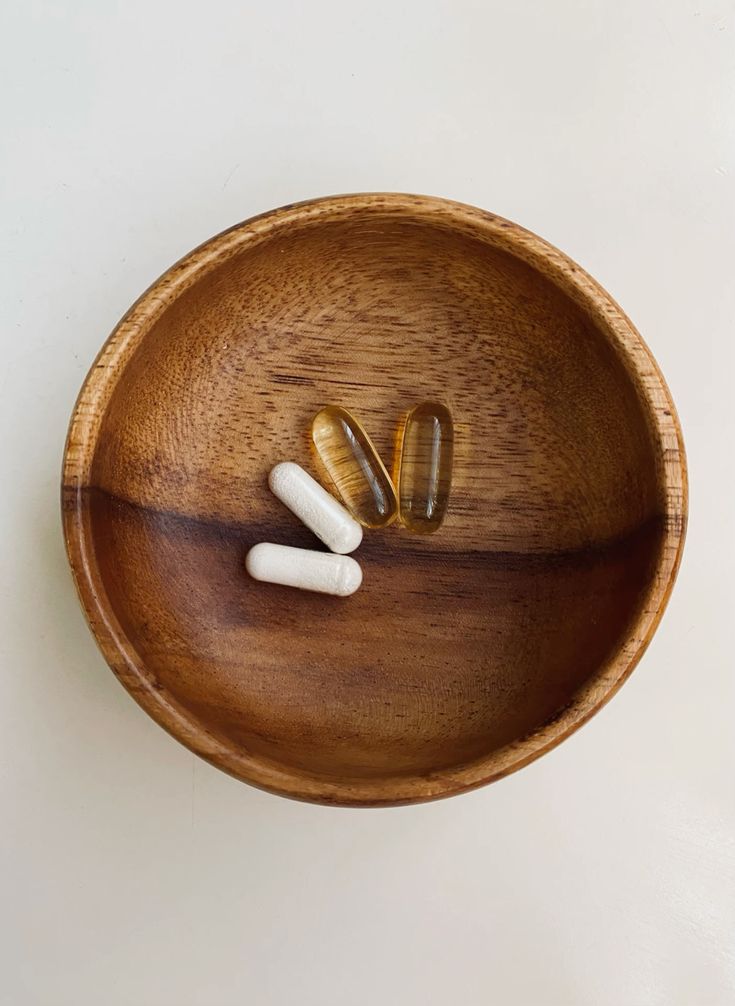
If you don’t regularly eat oily fish, or you are on a plant-based diet, a supplement is a good way to fill the gap. Fish oil supplements give EPA and DHA directly. “Algae-based alternatives contain the same active compounds in plant-derived form.”
The dose depends on the product and the individual. It’s worth discussing with a doctor, especially if you’re on blood thinning medication, as omega-3s can have a mild blood thinning effect at higher doses. Supplements are best used as a gap filler with some dietary intake, not as a replacement for food sources.
The quality of the products varies. When available, look for third-party testing or purity certification. A good supplement shouldn’t taste fishy or upset your stomach. If it does, that’s usually a sign of formula or storage quality, not something to power through.
Visible results usually take a few weeks of consistent use before they are noticeable. There is no overnight shift mechanism. This is in line with how skin cell renewal and lipid layer reconstruction actually works.
The first things to go usually are hydration and comfort. Skin tighter Less reactive to products that previously irritated you Less visible changes: smoother texture, less makeup settling This sequence allows you to see that the earlier, more subtle improvements don’t work before the more visible ones develop.
Diet is one of a number of factors. Stress, sleep and topical skincare don’t only impact barrier function in isolation. Someone eating well but under chronic stress, or sleeping poorly, may not get the full benefit of omega-3 intake would otherwise provide. [Is Chronic Stress Making Your Skin Dull?] covers one of those contributing factors in more depth.
Your skin barrier isn’t just a skincare concern. It’s a nutrition one too. Consistent omega-3 intake is one of the most direct ways to support barrier function from the inside, and the results show up in how your skin looks, feels, and holds makeup over time. For a broader look at how daily habits affect your skin: [How to Create a Wind-Down Evening Ritual for Glowing Skin].
Publishing industries for previewing layouts and visual mockups.