


Related Posts


By Siena Brown • July 15, 2026 • 5 mins read


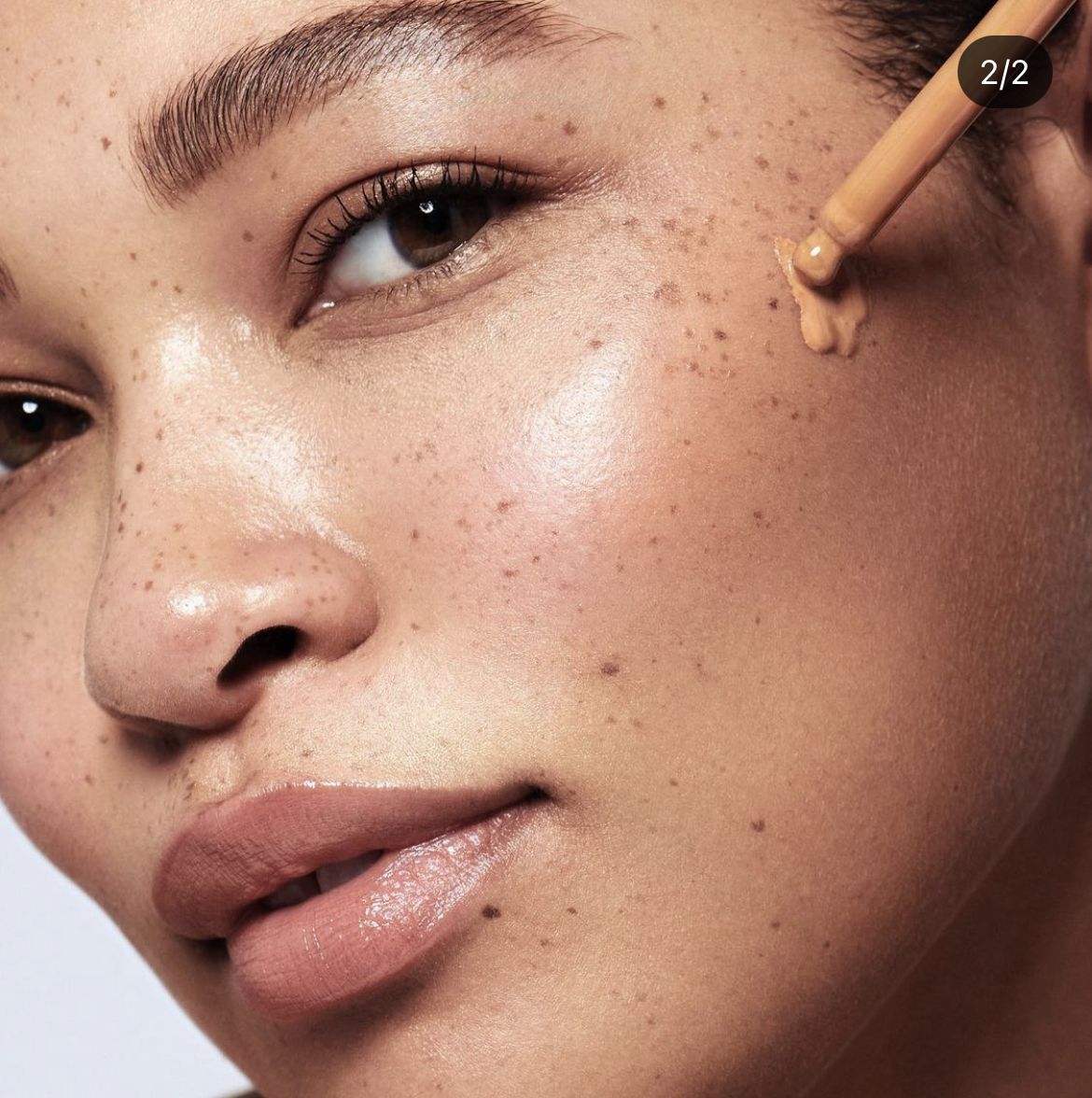
A skin-like foundation finish is one of the most searched-for results in base makeup — and one of the hardest to achieve with the wrong formula. Hydrating foundations are the format most likely to deliver it, but not all of them perform equally across skin types, tones, or wear conditions. This guide covers the formulas that actually deliver a natural, skin-like finish and how to get the most out of them.
Dry and combination skin are the most straightforward fits for hydrating foundation formulas, since the added moisture in the formula addresses the tightness and flaking that often prevents foundation from looking smooth on drier skin types. On combination skin, hydrating formulas tend to work well overall, sometimes needing a touch of oil-control product specifically on the T-zone rather than a different foundation entirely.
Oily skin can still make hydrating formulas work, but it typically requires more deliberate prep — a mattifying primer underneath, or setting powder applied more strategically in oil-prone areas, rather than expecting the foundation formula alone to control shine through a full day.
This isn’t a reason to avoid hydrating formulas on oily skin entirely, since the skin-like finish they deliver is often worth the small amount of extra prep, but it does mean oily skin needs a slightly different approach than simply applying the same formula the same way as someone with dry skin.
In terms of formula, hyaluronic acid and glycerin are two of the most common humectant ingredients that support a hydrating foundation’s performance, drawing moisture into the skin’s surface layer and helping the formula sit more smoothly rather than clinging to any dry patches.
Squalane and various plant oils serve a related but distinct purpose, helping to seal in that moisture once it’s there. Coverage levels genuinely worth prioritising for a skin-like result tend to sit in the light-to-medium range — enough to even out tone and minor imperfections without fully obscuring natural skin texture.
Finish-wise, “natural,” “second skin,” or “satin” labelling tends to indicate the right territory, while “full coverage matte” formulas, however well-made, are working toward a different goal than the skin-like finish this guide is focused on. None of this works in isolation from the skin underneath, though — a well-formulated hydrating foundation still needs properly prepped skin to perform at its best, which is covered in more detail in [What Skipping Skin Prep Does to Your Makeup].
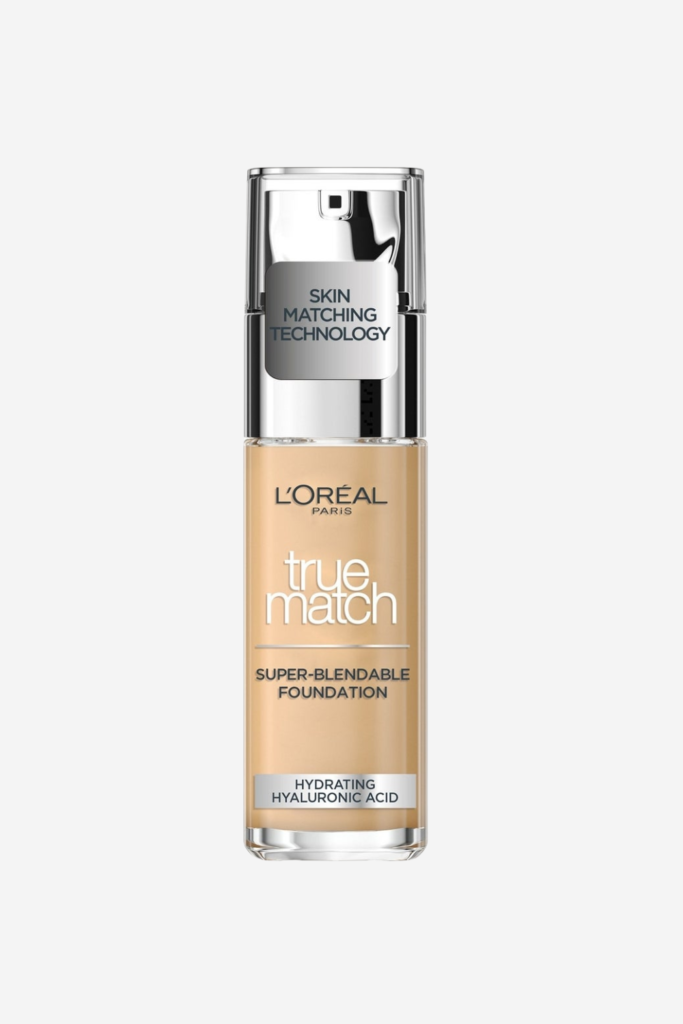
L’Oréal Paris True Match Liquid Foundation with SPF and Hyaluronic Acid
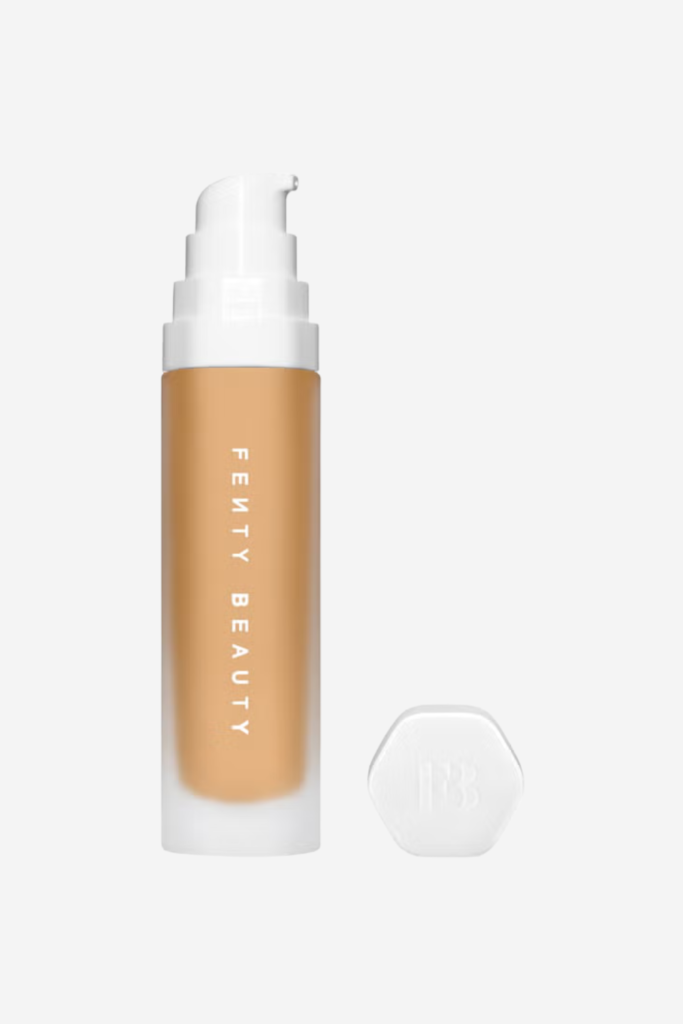
Fenty Beauty Soft’Lit Naturally Luminous Longwear Foundation
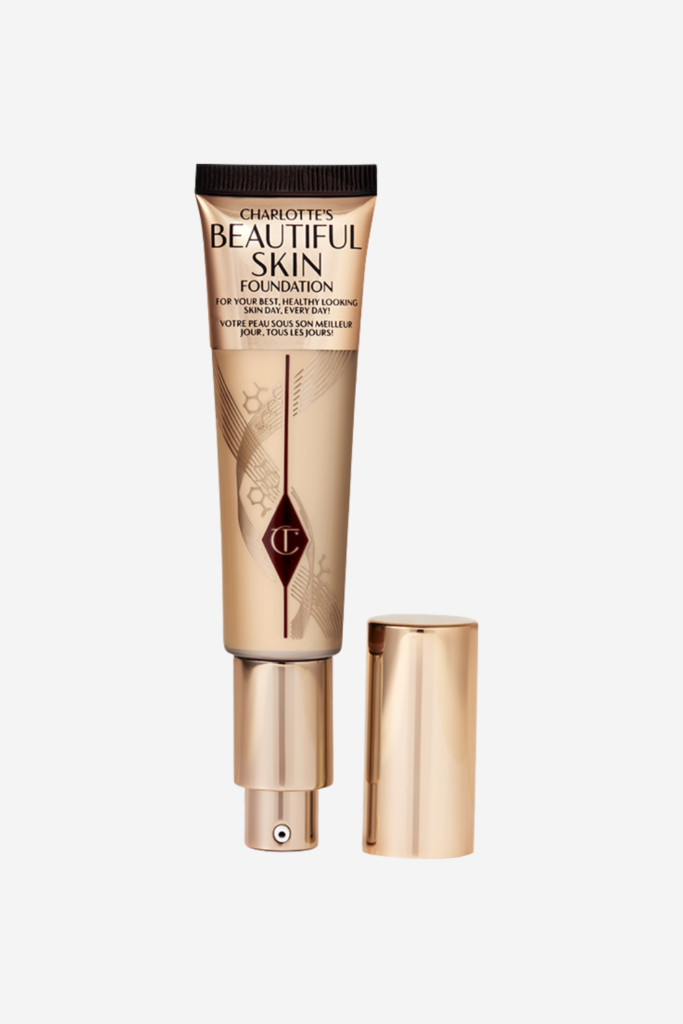
Charlotte Tilbury Beautiful Skin Foundation
A damp makeup sponge tends to produce the most natural-looking result with hydrating foundation formulas specifically, since the slight dilution from the dampness thins the product just enough to press it into skin rather than laying it on top in a visible layer. Bouncing rather than dragging the sponge across skin avoids disturbing the even layer as it’s being built.
Building coverage in thin layers, focusing extra product only where it’s genuinely needed — around the nose, any visible redness, under the eyes — rather than applying one uniform heavy layer across the whole face, preserves more of the texture variation that makes a finish look like skin rather than a mask.
Working in natural light where possible, and checking the result at a normal viewing distance rather than up close in a magnifying mirror, gives a more accurate read on whether the finish is actually reading as skin-like once finished, since close-up scrutiny can lead to over-applying in pursuit of a “flawless” look that isn’t necessary or even visible at conversational distance.
Making that result last requires a lighter hand than setting a full-coverage matte base. A light dusting of a finely milled, non-mattifying setting powder, applied only to areas that genuinely need it — rather than an all-over matte-finish powder — helps the foundation last without flattening the skin-like quality that was the point of choosing it in the first place.
SPF layering matters here as much as it does for any other foundation, and it’s worth applying SPF as a distinct step underneath rather than relying on any SPF included in the foundation formula itself, which is rarely present in a high enough amount to provide meaningful protection on its own.
Touch-ups through the day work best with a small amount of the same foundation, applied sparingly with fingertips or a small sponge to any area that’s genuinely broken down, rather than a full reapplication that risks building up product and losing the skin-like finish. For more on keeping any base makeup formula holding up through a full day, see [How to Make Your Makeup Survive Heat, Sweat and Humidity].
A hydrating foundation chosen for your skin type and applied with the right technique produces a finish that looks like better skin rather than makeup. The right formula is the starting point — the prep and application approach is what makes it look natural all day. For the step most routines skip before this one, see [The Lip Prep Step Most Routines Are Missing].
Products featured on Ntrl Look are chosen independently by our editorial team. When you shop through our affiliate links, we may receive a commission at no extra cost to you.
Publishing industries for previewing layouts and visual mockups.