


Related Posts




By Siena Brown • July 7, 2026 • 4 mins read


Cortisol almost always gets the blame for stress breakouts. But magnesium has a meaningful, often overlooked role in that picture. It is involved in controlling your body’s stress response and chronic stress depletes it faster than it can be replenished via diet alone. This creates a cycle of low magnesium and stress that feed into each other in ways that manifest on your skin.
And just knowing this connection doesn’t replace addressing stress directly. But it provides a practical, nutrient-based perspective to a problem that is so often discussed only in terms of stress management. Here’s what the research says and what it means for your skin and makeup.
Magnesium helps to regulate your body’s response to stress including how your nervous system processes and recovers from stress signals. Chronic stress depletes magnesium faster than it can be replenished through diet alone.
A low magnesium level can make your body less resistant to stress. Ongoing stress then further depletes magnesium. They don’t exist separately, they feed off one another. Magnesium can help with stress management but it’s not a cure for stress. Beyond that is standard future research.
Increased oil production is linked to stress hormones, the most important of which is cortisol. That’s the more direct mechanism for your stress breakouts. Magnesium is not a standalone cause but a supportive role. It doesn’t directly impact oil production, but it does affect how well your body can deal with the stress response that leads to the hormonal shift.
This is not the same as the breakout cycle of sweat and makeup and not the same as hormonal or diet-related causes. They can overlap, but magnesium is one piece of a larger picture. Not that it explains every breakout, though.
Other more established signs of low magnesium are poor sleep, muscle tension and a general feeling of increased stress reactivity not just skin symptoms. Breakouts alone aren’t a robust enough signal to confirm a magnesium gap. They’re frequent enough to have many potential causes.
If you experience breakouts in addition to these other symptoms, that’s a good excuse to see a doctor for bloodwork, rather than just guessing and treating yourself based on skin symptoms alone. To learn more about how chronic stress worsens these effects on the skin: [Is Chronic Stress Making Your Skin Dull?
Nuts and seeds, and leafy greens are good sources of magnesium in the diet. Much like vitamin D, many people don’t get enough of it on a regular basis through diet alone. This is especially true when you are under a lot of stress and your body is burning it up faster
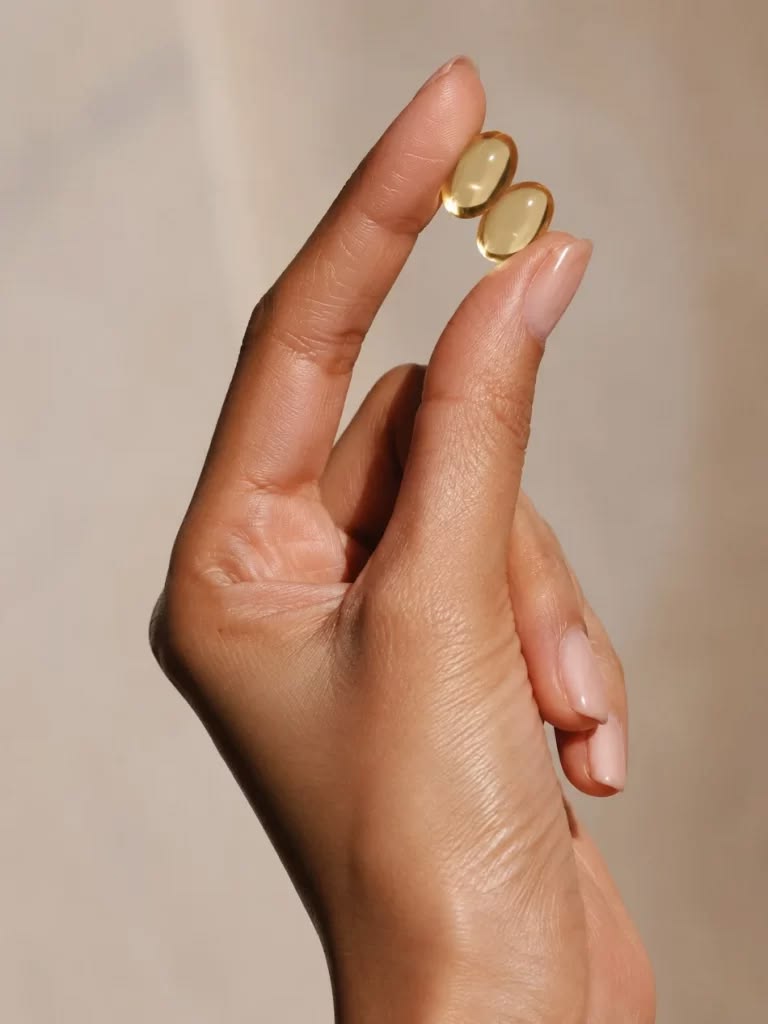
Supplements are a good option and talking with your doctor about the right dose and form is worth a conversation. Myprotein Essential Magnesium Tablets are a great place to start. KIKI Health Ionic Magnesium Liquid Concentrate is a great option too, with 80mg per serving in a liquid format that is highly bioavailable. Just add to a glass of water or juice daily if you’d prefer.
Magnesium won’t fix stress on its own, unless you also deal with the stress. Sleep, workload and general stress management remain important in conjunction with any nutrient support.
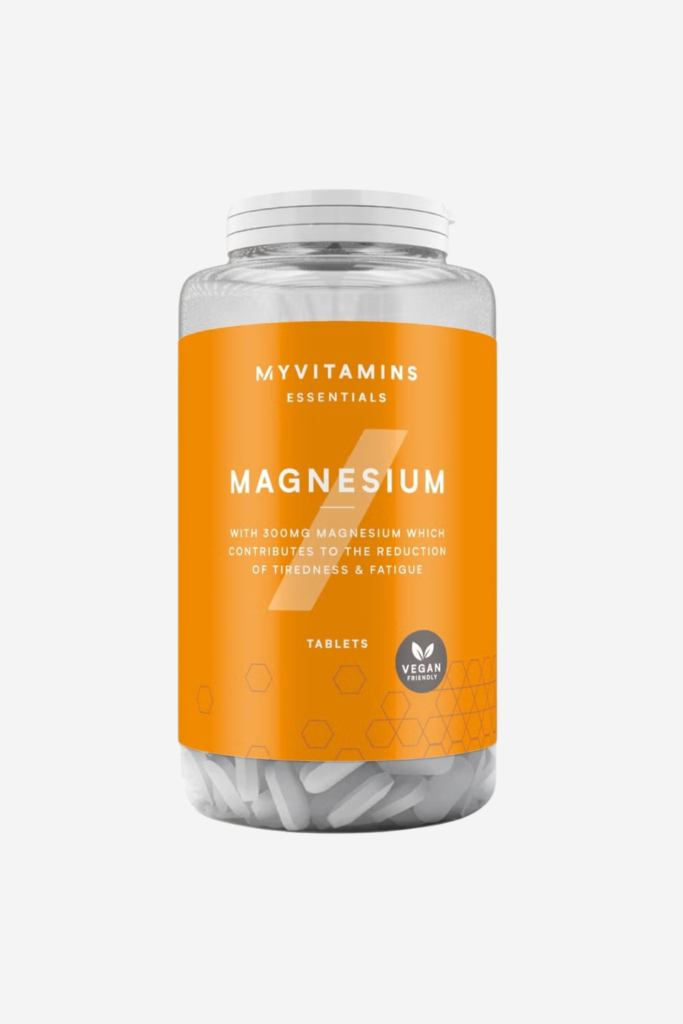
Myprotein Essential Magnesium Tablets
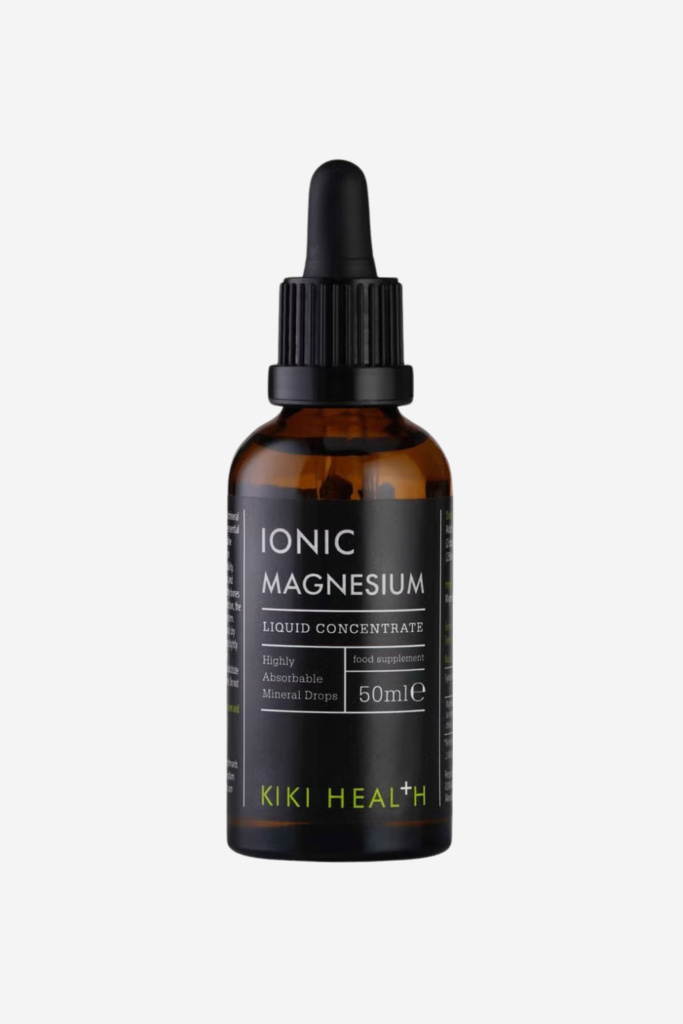
KIKI Health Ionic Magnesium Liquid Concentrate
Fewer stress breakouts mean a smoother, more even base to work from. By managing stress better, the skin will usually stay resilient in the long term. This is not a guarantee, just a side-link to support.
Magnesium helps create the conditions for calmer skin. It does not generate them on its own. It’s one supportive factor on top of your current skincare routine and real stress management.” Not a stand alone fix for stress breakouts by itself.
Magnesium is truly linked to stress breakouts, but only in a supporting role. It’s involved in your body’s stress response, which can show up on your skin, but it’s not the only cause or the only fix.
The more realistic approach is to support your magnesium levels through diet or supplementation while actually dealing with the stress itself. For the evening routine that helps your body regulate cortisol before bedtime: [How to Create a Wind-Down Evening Ritual for Glowing Skin].
Products featured on Ntrl Look are chosen independently by our editorial team. When you shop through our affiliate links, we may receive a commission at no extra cost to you.
Publishing industries for previewing layouts and visual mockups.