






Related Posts




By Candace Lee • April 3, 2026 • 12 mins read


Skincare products work on the surface. What you eat works at the level where skin inflammation actually starts — and the two are more directly connected than most people’s routines account for.
Inflammation is the common factor in the skin concerns that are hardest to manage with topical products alone: persistent breakouts, redness, uneven skin tone, and the kind of dullness that a good primer can mask but never really resolve. When inflammation is elevated systemically — driven by diet, stress, poor sleep, or a combination of all three — it shows up in the skin in consistent and predictable ways. Topical actives like niacinamide can reduce inflammatory responses at the skin’s surface, but if the diet is actively driving inflammation from within, the results from even a well-considered skincare routine will be limited.
The research on diet and skin clarity has strengthened significantly in recent years. What it consistently shows is that the foods which reduce systemic inflammation have a measurable impact on the skin concerns most people are trying to address topically. This isn’t about a restrictive approach or replacing your skincare — it’s about understanding which foods are working with your skin and which are working against it.
Before getting into specific foods, it’s worth understanding the mechanism — because it explains why some ingredients consistently appear in both dermatology research and nutrition guidance on skin health.
Chronic low-grade inflammation triggers a cascade of responses in the skin. It stimulates sebaceous glands to produce more sebum, which increases the likelihood of congestion and breakouts. It accelerates the breakdown of collagen and elastin. It disrupts the skin barrier, making skin more reactive and less able to retain moisture. And it contributes to the uneven pigmentation that forms after breakouts clear — the post-inflammatory hyperpigmentation that can linger for months.
Skin clarity is largely a function of three things: sebum regulation, inflammation levels, and the rate at which dead skin cells shed — and nutrients from food influence all three. Managing diet to reduce systemic inflammation doesn’t replace topical skincare, but it addresses the underlying environment those products are working in.
The foods below have the strongest research backing for reducing inflammation at a systemic level, with direct relevance to the skin concerns most people are managing.
Omega-3 fatty acids are among the most well-researched nutrients for both inflammatory conditions generally and skin health specifically. Fatty fish — salmon in particular — are the most bioavailable dietary source.
Cold-water fatty fish, including herring, sardines, and salmon, are abundant sources of omega-3 fatty acids, which may be beneficial to the skin. Omega-3 fatty acids have anti-inflammatory properties and may help counteract inflammatory pathways involved in acne. For oily and acne-prone skin specifically, this matters: inflammation is a key driver of both the formation of breakouts and the severity of post-breakout marks.
Two to three servings of fatty fish per week is the general recommendation in nutritional guidance for anti-inflammatory eating. For those who don’t eat fish, plant-based omega-3 sources — walnuts, flax seed, chia seeds — provide ALA, a precursor to the EPA and DHA found directly in fish, though conversion rates vary and a supplement may be worth considering.
Best sources: Wild-caught salmon, sardines, mackerel, herring, anchovies.
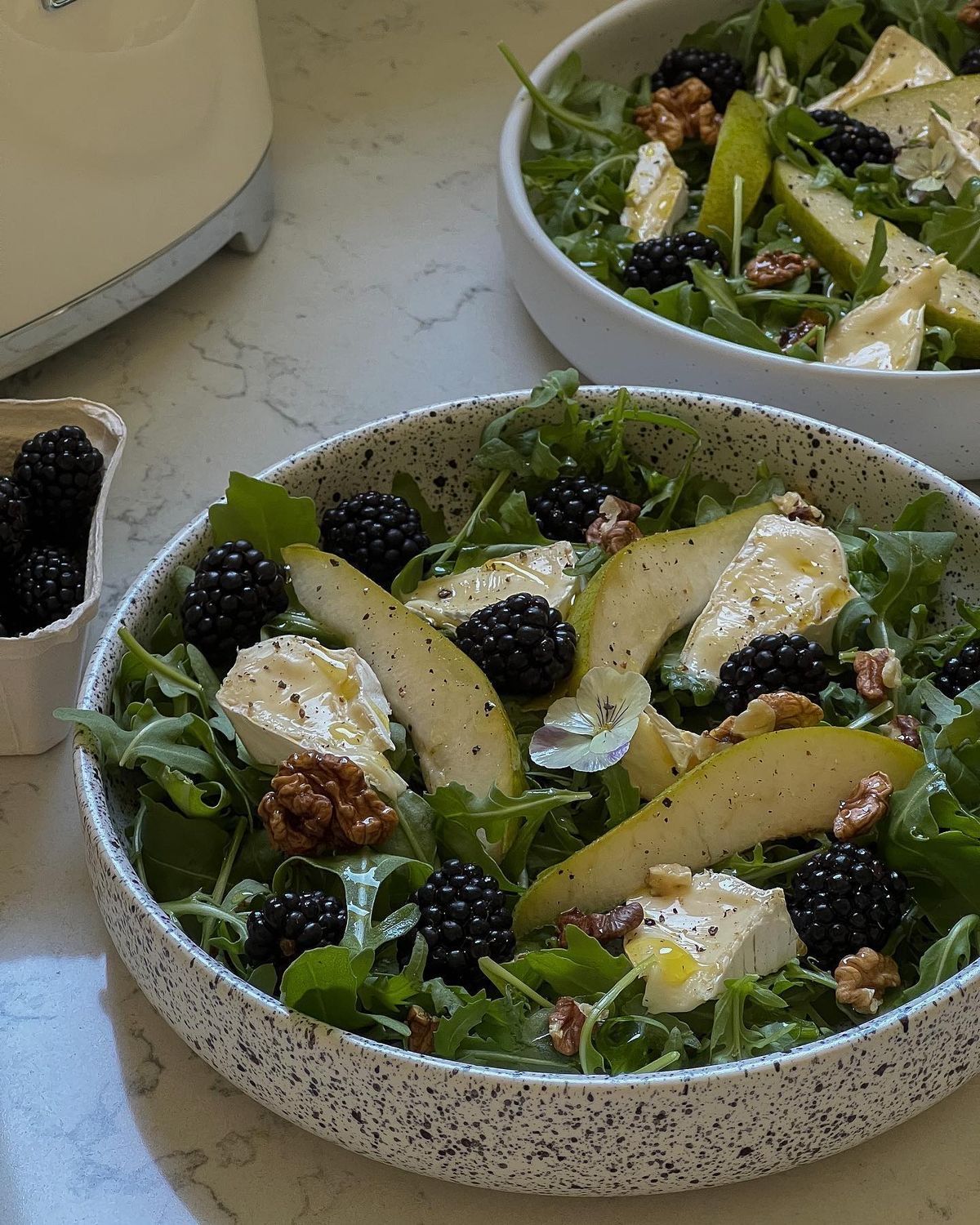
Berries are among the most antioxidant-dense foods available, and antioxidants work directly against one of the primary drivers of skin inflammation: oxidative stress. UV exposure, pollution, and even internal metabolic processes generate free radicals that damage skin cells and trigger inflammatory responses. Antioxidants neutralise these free radicals before they cause that damage.
Powerful antioxidants found in berries — blueberries, strawberries, raspberries, blackberries — don’t just protect skin; they can also help reduce inflammation and prevent breakouts.
Blueberries in particular have one of the highest antioxidant capacities of any food, driven largely by their anthocyanin content — the pigment that gives them their colour. For skin, the practical value is in consistent inclusion rather than therapeutic quantities: a daily handful added to a smoothie, porridge, or eaten as a snack provides meaningful antioxidant coverage without any significant dietary change.
Best sources: Blueberries, blackberries, raspberries, strawberries. Frozen berries retain their antioxidant profile and are a practical daily option.
Green tea occupies a slightly different category from most foods on this list — its primary anti-inflammatory compound, EGCG (epigallocatechin gallate), has been studied both as a dietary ingredient and in topical skincare formulations, which gives it an unusually strong evidence base for skin applications.
EGCG is the dominant polyphenol in green tea. Topical and dietary EGCG has been studied for reducing UV-induced inflammation and sebum oxidation. For oily and acne-prone skin, the sebum oxidation piece is particularly relevant: oxidised sebum is more comedogenic than fresh sebum, meaning it’s more likely to block pores and contribute to breakouts. Dietary EGCG helps address this from within.
Practically, two to three cups of brewed green tea per day is sufficient to provide meaningful EGCG. Matcha — which uses the whole ground tea leaf rather than steeping — delivers a significantly higher concentration in a single serving and is an efficient option for people who want the benefits without multiple cups throughout the day.
Best sources: Brewed green tea, matcha. Look for ceremonial or culinary grade matcha for the best EGCG concentration.
Turmeric’s active compound, curcumin, has one of the most extensively researched anti-inflammatory profiles of any food-derived ingredient. Its relevance to skin health sits primarily in its ability to reduce the inflammatory signalling pathways — specifically NF-kB — that drive chronic low-grade inflammation.
Turmeric is a natural anti-inflammatory powerhouse with a long history in both culinary and medicinal use, and the research increasingly supports the traditional application. For skin specifically, curcumin’s anti-inflammatory properties have shown relevance for conditions including acne, psoriasis, and rosacea, where inflammatory signalling is a core driver of flares.
The practical limitation with dietary turmeric is bioavailability: curcumin is poorly absorbed on its own. Combining turmeric with black pepper (which contains piperine, a bioavailability enhancer) increases absorption significantly — a well-established pairing in both culinary traditions and supplement formulations. Cooking turmeric in a fat-based medium (olive oil, coconut milk) also improves absorption, since curcumin is fat-soluble.
For people managing persistent inflammatory skin conditions, a high-quality curcumin supplement standardised to 95% curcuminoids may deliver more consistent results than dietary turmeric alone — worth discussing with a GP or registered dietitian if relevant.
Best sources: Ground turmeric with black pepper, fresh turmeric root, curcumin supplement (standardised extract).
Avocado brings together several skin-relevant nutrients in one food: vitamin E, healthy monounsaturated fats, and antioxidants including lutein and zeaxanthin. The vitamin E content is particularly relevant for skin — it’s a fat-soluble antioxidant that works synergistically with vitamin C to protect skin cell membranes from oxidative damage.
Tocopherols (Vitamin E), present in almonds, sunflower seeds, and avocados, work synergistically with vitamin C — each regenerates the other after neutralising a free radical. This synergy is worth noting practically: eating avocado alongside vitamin C-rich foods (bell peppers, strawberries, citrus) creates a more comprehensive antioxidant effect than either provides alone.
The monounsaturated fat content also supports skin barrier function, helping maintain the lipid layer that keeps moisture in and irritants out. For skin types managing dehydration or compromised barrier function — both of which worsen with sun exposure in summer — dietary healthy fats are a meaningful contributor alongside topical barrier-supporting ingredients.
Best sources: Fresh avocado. Half an avocado daily provides significant vitamin E and healthy fat content.
Nuts and seeds offer two distinct nutrients that appear consistently in the research on diet and skin clarity: omega-3 fatty acids (walnuts) and zinc (pumpkin seeds).
Walnuts are the most omega-3-rich nut, providing ALA that contributes to the same anti-inflammatory pathways as fatty fish, making them a practical daily option for plant-based diets or on days without fish.
Zinc, found in pumpkin seeds, beef, and chickpeas, is particularly well-studied for skin clarity. Zinc’s relevance to acne-prone skin is well-documented: it regulates sebaceous gland activity, reduces the inflammatory response to acne-causing bacteria, and supports wound healing — which affects how quickly post-breakout marks resolve. Studies have found that people with acne tend to have lower serum zinc levels than those with clear skin, making dietary zinc a meaningful consideration for anyone managing persistent breakouts.
A small handful of walnuts and a tablespoon of pumpkin seeds daily provides consistent intake of both without requiring significant dietary restructuring.
Best sources: Raw or lightly toasted walnuts, pumpkin seeds (pepitas). Zinc is also found in chickpeas, lentils, and beef for those who don’t eat seeds regularly.
Extra virgin olive oil is the dietary fat most consistently associated with anti-inflammatory outcomes in nutritional research, largely due to its oleocanthal content — a polyphenol compound that research has shown inhibits the same inflammatory enzymes as ibuprofen, though at dietary doses rather than therapeutic ones.
Extra virgin olive oil — rich in anti-inflammatory compounds — is among the best anti-inflammatory foods available. For skin, its value sits in both the oleic acid content (which supports barrier lipid composition) and the polyphenol profile that reduces systemic inflammation. It’s also a practical bioavailability enhancer for other anti-inflammatory ingredients: cooking turmeric in olive oil, or dressing a salad containing leafy greens and walnuts with olive oil, improves the absorption of fat-soluble nutrients across the meal.
Use extra virgin rather than refined olive oil — the cold-pressing process that produces extra virgin olive oil preserves the polyphenol content that refined versions lose. Heat degrades some polyphenols, so using extra virgin olive oil for lower-heat cooking or as a finishing oil and dressing preserves more of its active compounds.
Best sources: Extra virgin olive oil, cold-pressed. Look for harvest date on the bottle — fresher oil has higher polyphenol content.
Understanding which foods to include is half the picture. The other half is the dietary patterns that actively increase skin inflammation — and which therefore undermine both the dietary changes above and the topical skincare routine working alongside them.
High-glycaemic foods — refined carbohydrates, sugary drinks, white bread, processed snacks — cause rapid blood sugar spikes that increase insulin levels. High-glycaemic index foods cause rapid blood sugar spikes, which increase insulin levels and stimulate hormones that boost oil production. For acne-prone and oily skin, this hormonal cascade is a direct driver of increased sebum and breakouts. Switching refined carbohydrates for lower-GI alternatives — whole grains, legumes, vegetables — reduces this response without requiring a dramatic dietary overhaul.
Refined vegetable oils high in omega-6 fatty acids — sunflower oil, corn oil, soy oil — are prevalent in processed foods and, at high intake levels, can shift the body’s omega-3 to omega-6 ratio in a direction that promotes inflammatory signalling. This isn’t about eliminating these oils entirely, but about ensuring dietary omega-3 intake is sufficient to counterbalance them.
Alcohol increases systemic inflammation, disrupts sleep quality (which has its own direct impact on skin, as covered in our summer sleep article), and is a vasodilator that worsens redness in skin prone to rosacea or flushing. Reducing consumption has a measurable positive impact on skin within two to four weeks for most people who do so.
Managing expectations matters here. Diet affects skin through systemic pathways that take time to create visible change — this isn’t the same as applying a topical product and watching it absorb.
Most people who meaningfully shift their diet toward anti-inflammatory eating report visible changes in skin clarity within four to eight weeks. The most consistent early changes are in redness and reactivity — skin tends to become less inflamed before it becomes noticeably clearer. Breakout frequency and severity typically reduce over six to twelve weeks of consistent dietary change.
The relationship is also bidirectional with skincare. Foods that support clearer skin tend to be low on the glycaemic index, high in zinc and antioxidants, and low in refined sugar and inflammatory oils — with green leafy vegetables, fatty fish, and legumes among the most well-supported choices. A diet built around these principles works with the topical routine — supporting barrier function, reducing the systemic inflammation that drives breakouts, and creating the internal conditions that allow the skin’s natural repair processes to function properly.
For the topical side of the equation, see our guide to niacinamide for oily skin — particularly how it works alongside a balanced diet to regulate sebum and reduce surface-level inflammation.
Diet doesn’t replace skincare. But for skin concerns driven by inflammation — breakouts, redness, uneven tone, compromised barrier function — topical products alone are managing symptoms rather than addressing the environment those symptoms emerge from.
The foods with the strongest evidence for reducing skin inflammation — fatty fish, berries, green tea, turmeric, avocado, walnuts, pumpkin seeds, extra virgin olive oil — share a common mechanism: they reduce systemic inflammatory signalling at the cellular level. Incorporating them consistently, alongside a reduction in high-glycaemic foods and refined oils, creates measurable changes in the skin that topical products can enhance but not replicate.
Start with two or three changes rather than a complete dietary overhaul. Add a portion of fatty fish twice a week, swap refined snacks for a handful of berries and walnuts, switch to extra virgin olive oil as your default cooking fat. These are modest adjustments that compound over time into meaningful improvements in skin clarity — the kind that shows up in how makeup sits, how evenly skin tone reads, and how consistently the skin behaves day to day.
Publishing industries for previewing layouts and visual mockups.