
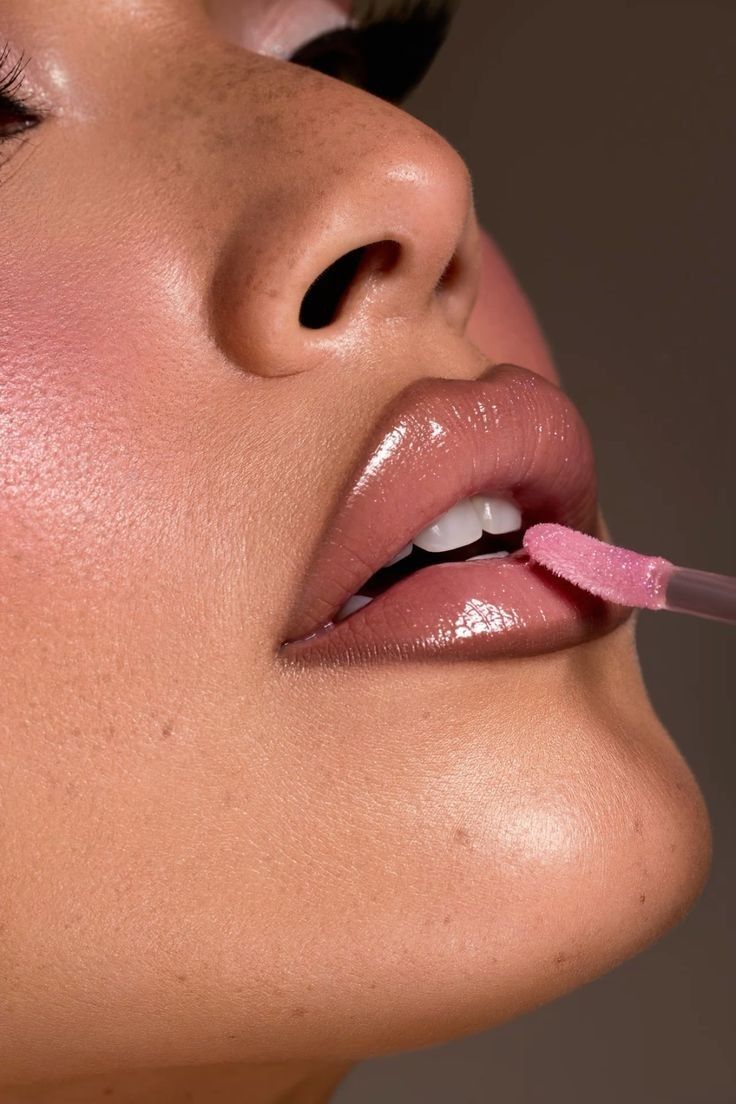
Related Posts

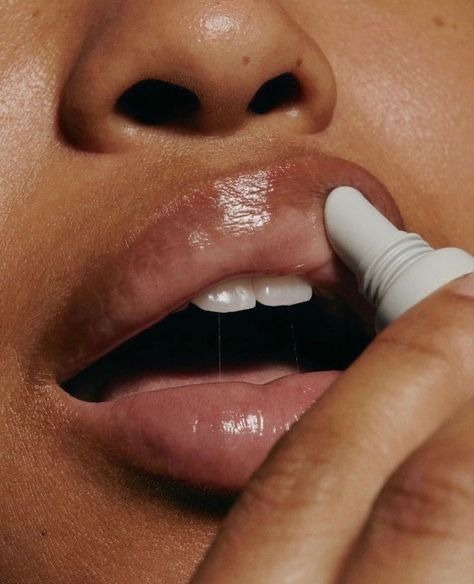


By Siena Brown • July 22, 2026 • 5 mins read


Lip colour that holds perfectly in cooler months can feel like it barely survives an hour in summer. Heat, humidity, sweating, and increased drinking and eating all work against even the most long-wear formulas. But the solution isn’t always a different product. This article covers exactly why lip colour breaks down faster in summer and what actually keeps it on.
Heat increases the temperature of everything on your skin, including lip products. Warmer formulas move more easily, which is why a lipstick that holds its shape in cooler weather slides and bleeds at the edges when temperature rises.
Humidity adds moisture from the air that interacts with product on your lips. The combination of warmth and moisture is particularly effective at loosening the bond between lip colour and the lip surface. This is why even waterproof formulas can struggle on particularly humid days.
Sweat and oils are the third factor. Your lips don’t have sweat glands, but sweat from the surrounding skin migrates, and the oils from food and drink that touch your lips throughout the day add to the breakdown. Summer means more of all of these at once.
Prepped lips hold colour significantly longer than unprepped ones, and this is even more true in summer when more forces are working against the formula.
Dry, flaky lips lose colour faster because the product clings to raised areas unevenly and breaks down as those rough patches move and flex. A quick exfoliation and a hydrating balm applied before makeup gives product a smooth, even surface to adhere to.
The balm timing matters. Apply balm a few minutes before lip colour so it has time to absorb rather than sitting between the product and the lip surface as a slippery barrier. For the full lip prep routine: [The Lip Prep Step Most Routines Are Missing].
Not all lip formulas are built for summer conditions, and switching to one that is makes a more significant difference than any application technique.
Liquid lip colours and lip stains offer the best longevity in heat. Liquid formulas dry down to a transfer-resistant finish that holds even when lips are warm and humid. Lip stains deposit colour directly into the lip surface rather than sitting on top, which means heat and moisture have less to disrupt.
Glosses and balms are honest about what they are. They’re not long-wear products and no technique converts them into one in hot weather. If you love a gloss finish, a stain underneath with gloss layered on top gives you the finish with better staying power than gloss alone.
Matte liquid lip products tend to be the most heat-resistant formula available. The drying nature of the formula that makes them feel intense in cooler weather is exactly what makes them hold up in summer.
Lip liner is the most underused longevity tool in a summer lip routine. Used correctly, it extends wear time more than switching formulas does.
The technique that makes the most difference is filling in the entire lip with liner before applying colour on top. This gives the lip colour something to grip onto rather than just a bare lip surface, and it means that when the top layer of colour starts to wear, the liner underneath maintains the shape and colour rather than leaving an uneven ring.
Choosing a liner that matches your lip colour closely rather than a very different shade keeps the look seamless as it wears. A nude liner that matches your natural lip tone works as a universal base under almost any colour.
The application method affects longevity as much as the formula does, particularly in summer.
Apply one layer of lip colour, blot with a single-ply tissue to remove the excess product that sits on the surface, then apply a second layer on top. This technique removes the layer most likely to transfer and migrate while keeping the layer that’s bonded to the lip surface intact. The result is a thinner, more stable colour deposit that holds significantly longer.
Setting with a small amount of translucent powder pressed lightly over the lips after this process extends wear further, particularly for matte formulas. Apply the powder with a small brush or a fingertip rather than a puff, which applies too much product.
Lip colour rarely needs a full reapplication from scratch in summer. A targeted refresh takes less time and looks more natural than starting over.
Blot away any excess oil or product that’s broken down first. A quick press with a tissue removes the surface slippage without disturbing what’s still holding. Then reapply colour only to the areas that need it, typically the centre of the lip where wear is most visible, and press rather than sweep to avoid moving what’s still intact.
The products worth carrying for a summer day: the lip liner used in the morning, the lip colour, a tissue, and a small lip brush if you prefer more precise reapplication. The liner does the most work at the touch-up stage, restoring definition that heat tends to soften. For the full approach to keeping makeup intact in summer: [How to Make Your Makeup Survive Heat, Sweat and Humidity].
Publishing industries for previewing layouts and visual mockups.
