



Related Posts


By Siena Brown • October 8, 2026 • 4 mins read


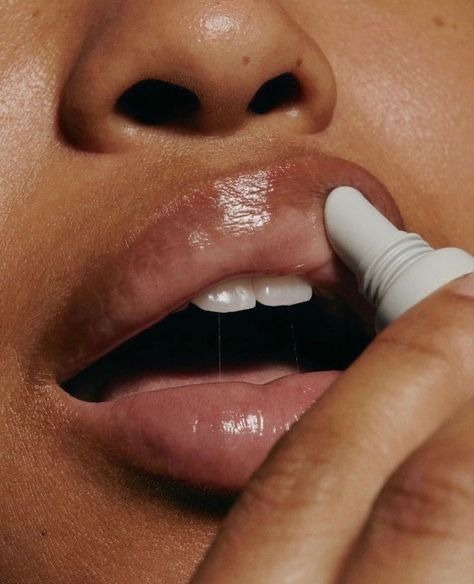
Your natural lip colour can change for all sorts of reasons. You might notice your lips looking a little darker after summer, more uneven when they’re dry, or simply different as the years go by.
While some changes are completely normal, pigmentation can sometimes become more noticeable after sun exposure, irritation or inflammation. The good news is that a few simple lip-care habits can help keep your lips looking smooth, comfortable and more even.
Lips naturally have less pigment than the surrounding skin, which is one reason they can be particularly sensitive to environmental changes.
Sun exposure can contribute to increased pigmentation, while dryness, irritation and repeated lip licking or picking can also affect how your lips look. Certain lip products can be irritating for some people too, particularly if they contain fragrance, flavouring or ingredients designed to create a tingling or plumping sensation.
There can also be natural variation in lip colour. Your lips don’t necessarily need to be a completely uniform shade to be healthy.
If you’re looking to support a more even-looking lip tone, SPF is one of the easiest places to start.
Lips are exposed to UV throughout the year, but they’re often forgotten when applying sunscreen. Choose a lip balm with broad-spectrum SPF 30 or higher and make it part of your morning routine, reapplying when you’re spending extended periods outdoors.
It’s a particularly useful habit if you notice your lip pigmentation becoming more pronounced during the sunnier months.
Dry, flaky lips can make colour look less even, so keeping them moisturised can make a noticeable difference to how they look and feel.
A simple, nourishing balm or ointment is often all you need. Look for formulas that help reduce moisture loss and apply throughout the day whenever your lips feel dry.
At night, you can apply a slightly thicker layer as the final step of your evening routine.
It can be tempting to scrub away flaky skin in the hope of getting smoother, brighter-looking lips. But lips are delicate, and aggressive scrubbing can leave them feeling irritated.
If your lips are dry or peeling, focus on moisturising rather than reaching for a rough lip scrub. Once they’re comfortable again, gentle care is much more useful than regular exfoliation.
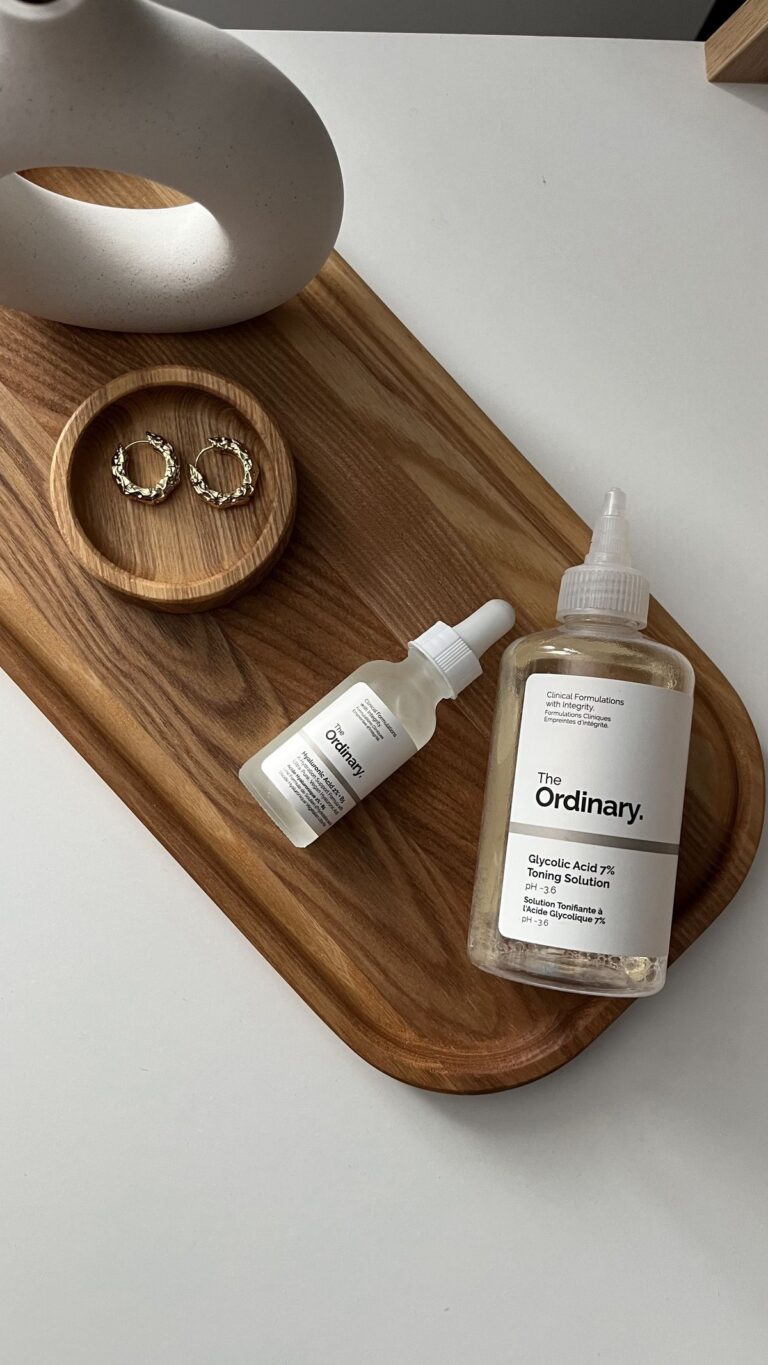
The same goes for strong skincare acids or retinoids. Products designed for facial skin aren’t automatically suitable for the lips, so avoid bringing active skincare right up to the lip area unless the product is specifically intended for it.
If you’ve noticed a change in your lip colour alongside dryness, sensitivity or irritation, consider whether something in your routine could be contributing.
Fragranced or flavoured balms, lip plumpers and long-wearing lip products can be irritating for some people. You don’t necessarily need to give up your favourite lipstick, but if your lips are feeling uncomfortable, try simplifying your routine for a while.
A basic balm and gentle lip products can give your lips a chance to settle.
There are skincare ingredients that can help improve the appearance of pigmentation on the face, but lips require a little more care.
Rather than applying strong brightening or exfoliating treatments directly to the lips, focus on preventing further irritation and protecting them from the sun. Consistent lip care can help your natural lip colour look healthier and more even over time.
And remember: naturally deeper or varied lip pigmentation isn’t something that needs to be corrected. The aim is healthy, comfortable lips — not changing the colour you’re naturally meant to have.
Most gradual changes in lip colour aren’t a cause for concern. However, if you notice a new or unusual dark spot, a sudden change in pigmentation, a persistent sore area or a mark that doesn’t go away, it’s worth getting it checked by a GP or dermatologist.
For everyday changes, though, a simple routine goes a long way: protect your lips from the sun, keep them moisturised and avoid unnecessary irritation.
Your natural lip colour can change throughout your life — and good lip care is about looking after it, rather than trying to completely change it.
Publishing industries for previewing layouts and visual mockups.