






Related Posts



By Siena Brown • October 5, 2026 • 3 mins read


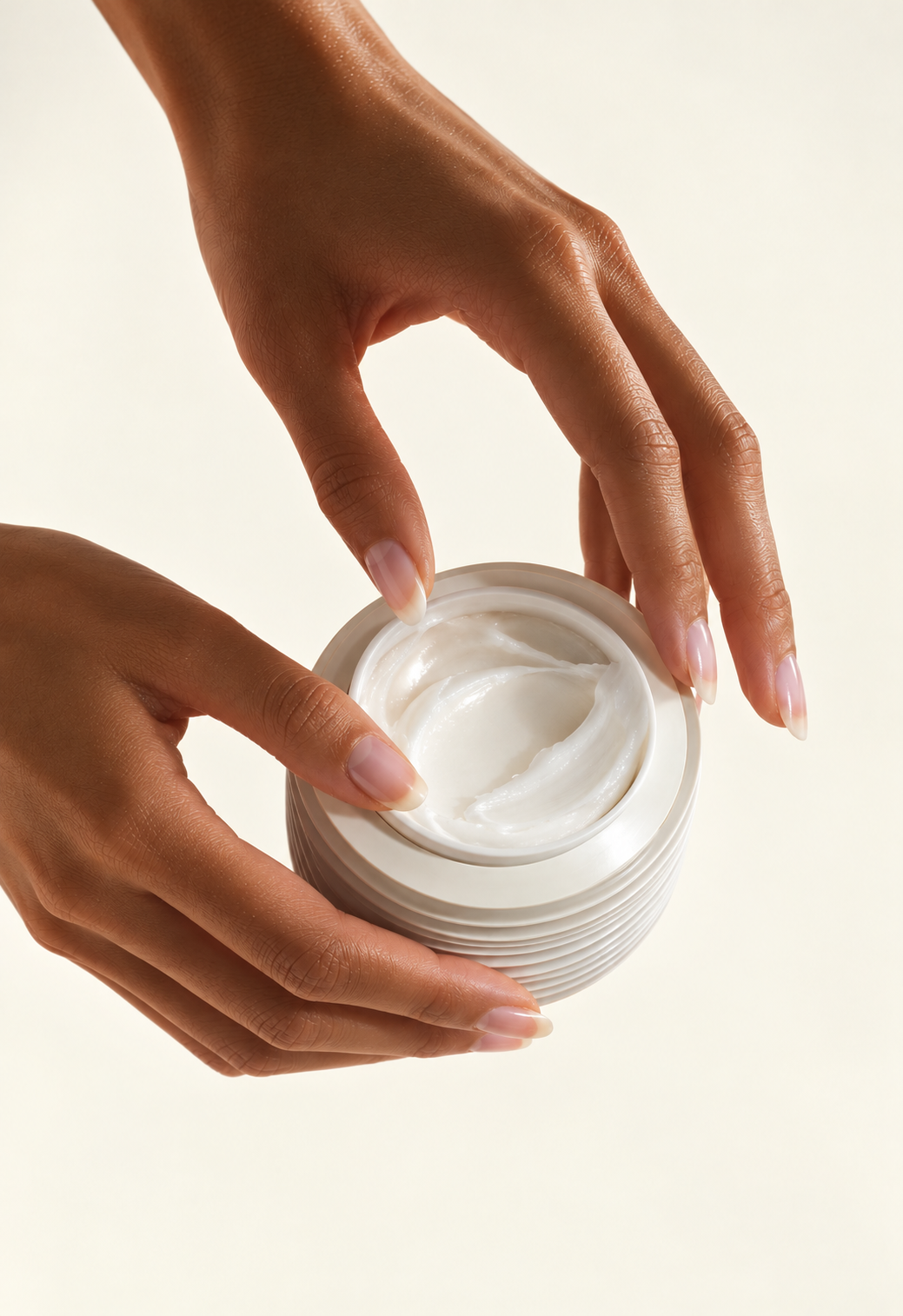
As the temperature drops, your skincare routine may need a little editing. Cold air, lower humidity and indoor heating can all leave skin feeling drier, so the products that felt perfect in summer might not be quite as comfortable through winter.
The good news? You don’t need to replace your entire bathroom shelf. A few thoughtful additions can make your routine feel much more comfortable as the season changes. And if you’re ready for a bigger seasonal rethink, take a look at our guide to How to Transition Your Skincare Routine for Autumn/Winter.
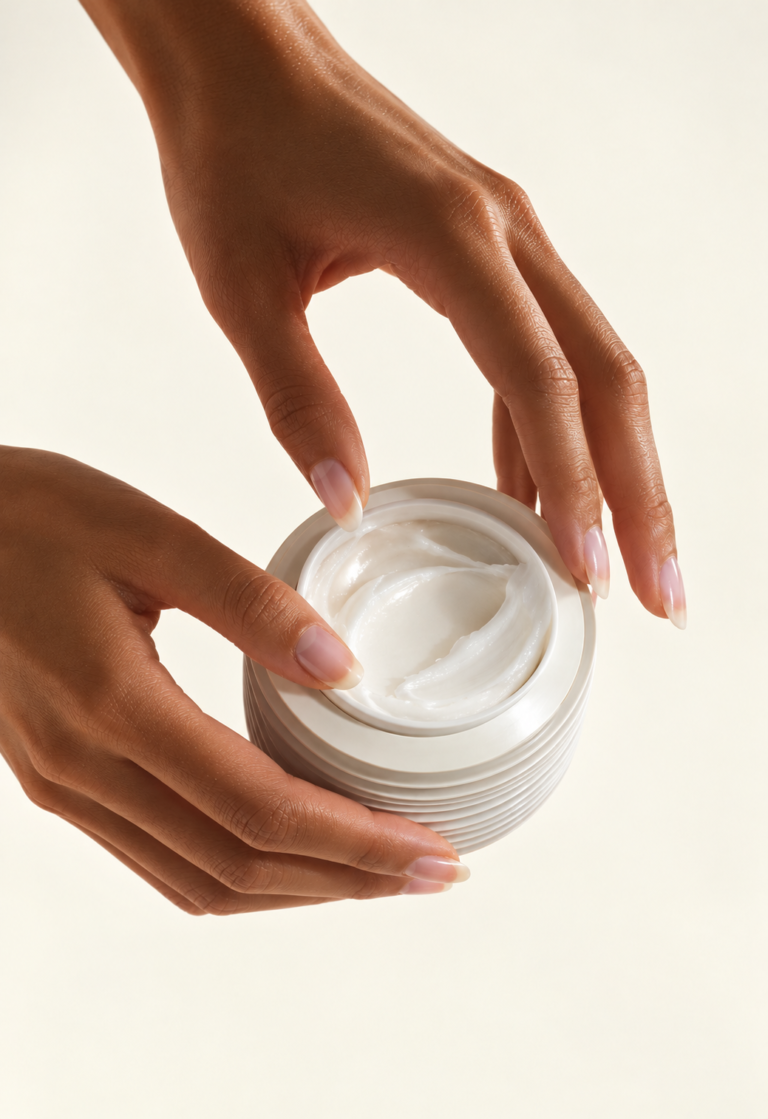
If you’ve been using a lightweight gel or lotion, winter is a good time to consider something a little more nourishing.
Creams and ointments tend to be more effective than lotions at helping dry skin retain moisture, so look for a texture that feels comfortable rather than simply choosing the richest formula you can find. Ingredients such as ceramides, glycerin and hyaluronic acid are all worth looking out for.
You don’t necessarily need a heavier moisturiser everywhere, either. If your skin is combination, keep the richer texture for the areas that actually feel dry.
Winter skincare doesn’t have to mean layering ten products.
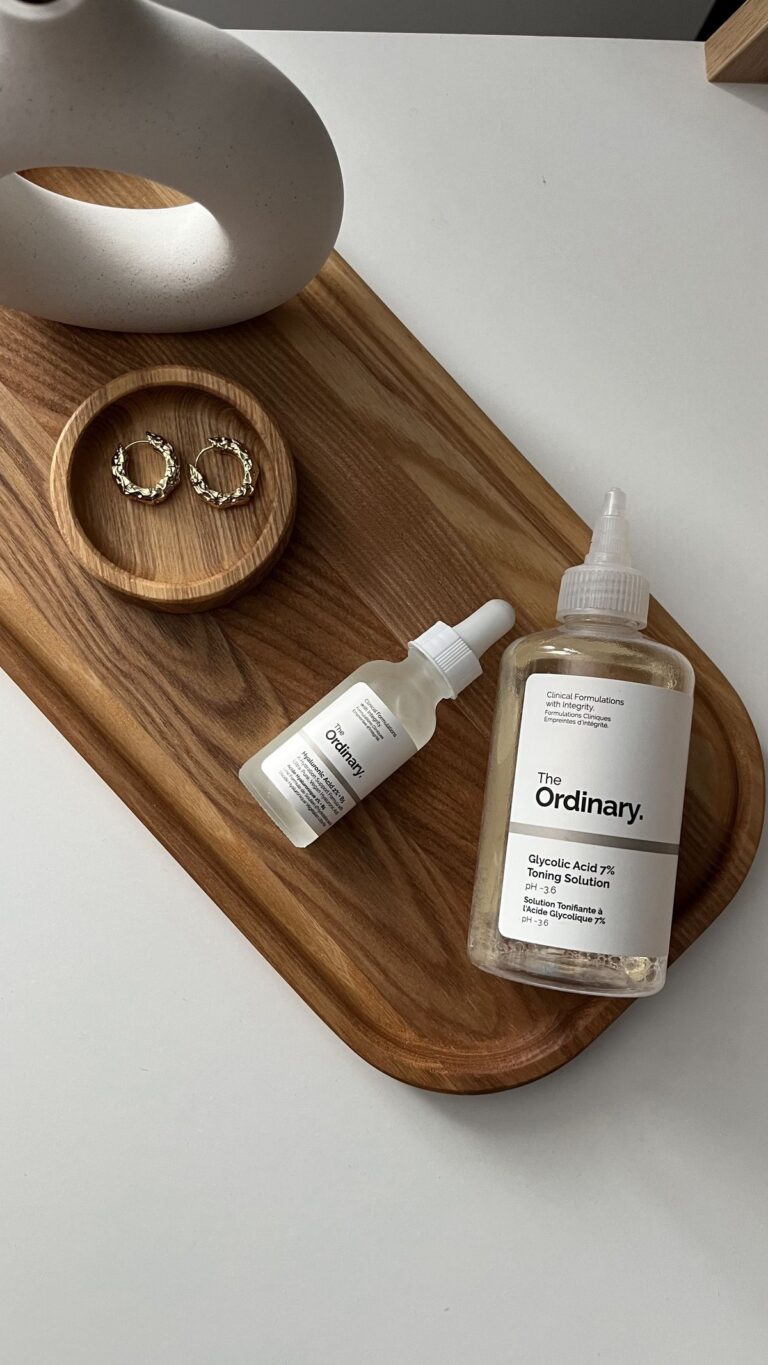
If your skin feels tight after cleansing or your makeup is suddenly catching on dry areas, a hydrating serum can be a useful addition underneath your moisturiser. Glycerin and hyaluronic acid are popular choices for helping skin hold onto moisture.
Apply your moisturiser while your skin is still slightly damp to help seal in some of that moisture.
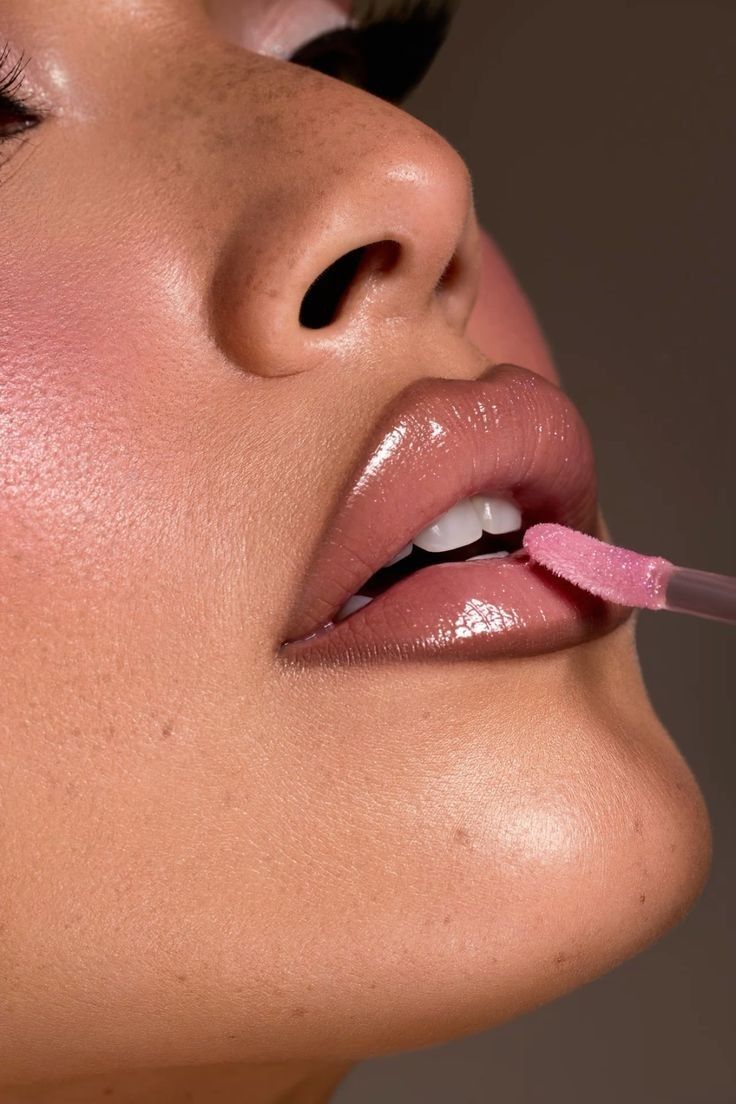
Lip balm is one of those products that becomes considerably more appealing once the weather turns.
Keep one beside your bed, one in your handbag and another somewhere you’ll actually remember to use it. If your lips are particularly dry, a simple balm or petroleum jelly can help keep them comfortable.
And if a product stings when you apply it, take that as a sign to try something gentler rather than pushing through.
When skin starts looking flaky, it can be tempting to exfoliate more. But if dryness is the problem, adding more exfoliation may not be the answer.
The American Academy of Dermatology recommends being cautious with exfoliating products when skin is very dry, as they can contribute to irritation.
Instead, focus on moisturising first. Once your skin feels comfortable again, you can reassess whether you actually need your usual exfoliating step as often.
Winter doesn’t mean putting sunscreen away.
UV exposure doesn’t disappear with the summer sun, so broad-spectrum SPF 30 or higher remains a useful part of a daily routine.
It can be especially easy to forget on colder, darker mornings, but SPF is an everyday step rather than a seasonal one.
Sometimes it’s not just your skincare that’s changed — it’s your environment.
Heating can make indoor air drier, which may leave skin feeling more uncomfortable. If your bedroom feels particularly dry, a humidifier can be worth considering.
You can also make small changes elsewhere: keep showers warm rather than very hot, avoid overly harsh cleansers and moisturise soon after washing.
The best winter skincare routine isn’t necessarily the most complicated one.
Start with the basics, add hydration where you need it and make your textures a little more comforting as the weather changes. Your skin doesn’t need a completely new identity for winter — just a routine that keeps it feeling good.
Publishing industries for previewing layouts and visual mockups.