






Related Posts




By Siena Brown • July 2, 2026 • 5 mins read


Vitamin D is mostly talked about in relation to bone health and mood. But it plays just as direct a part in your skin. Your skin is involved in cell turnover, barrier function and the inflammatory response – all of which impact how your skin looks and how makeup sits on top of it.
Summer also changes the vitamin D picture. The primary route of production in your body is from sun exposure, creating a tension between your sun protection habits and natural production that’s worth understanding.
Your skin contains vitamin D receptors. The vitamin helps regulate how quickly your skin cells slough off and are replaced, a process that leaves skin looking smooth and even rather than dull and rough. It also supports barrier function and helps regulate your skin’s inflammatory response.
Deficiency doesn’t always show up as an obvious skin symptom. You’re more likely to feel it as fatigue or see it flagged in bloodwork. But the skin-level effects are real even when they’re subtle. What has actually been proven is that vitamin D helps cell turnover and barrier function. Claims that go beyond this tend to outstrip the research.
Vitamin D Exposure to the sun is your body’s primary natural source of vitamin D. This is in direct tension with the sun protection habits that are important in preventing damage and premature ageing. You don’t have to pick a side, this isn’t some contradiction you have to solve.
Diet and supplementation are great, but one reasonable way to support your natural production is brief, unprotected exposure, a matter of minutes not hours. This is not advice that turns a blind eye to accumulated UV exposure. This is where supplementation is key. Relying on getting enough sunlight exposure is not enough, especially if you live in a climate where there isn’t much sunlight most of the year.
You may notice dullness, slower healing and a sense that your barrier is always compromised if your levels of vitamin D are low. They can also be easily blamed on dehydration, poor sleep or chronic stress.
None of these symptoms alone are specific enough to prove a deficiency. If they are persistent and associated with fatigue or other general symptoms, the next most useful step is bloodwork. Your skin is a signal to pay attention to. It is not a diagnostic tool. More on how stress makes these same skin symptoms worse: [Is chronic stress making your skin dull?]
Some of your main sources of vitamin D are fatty fish and fortified foods. For many, particularly if you live in a place that doesn’t get much sun, diet alone doesn’t quite close the gap.
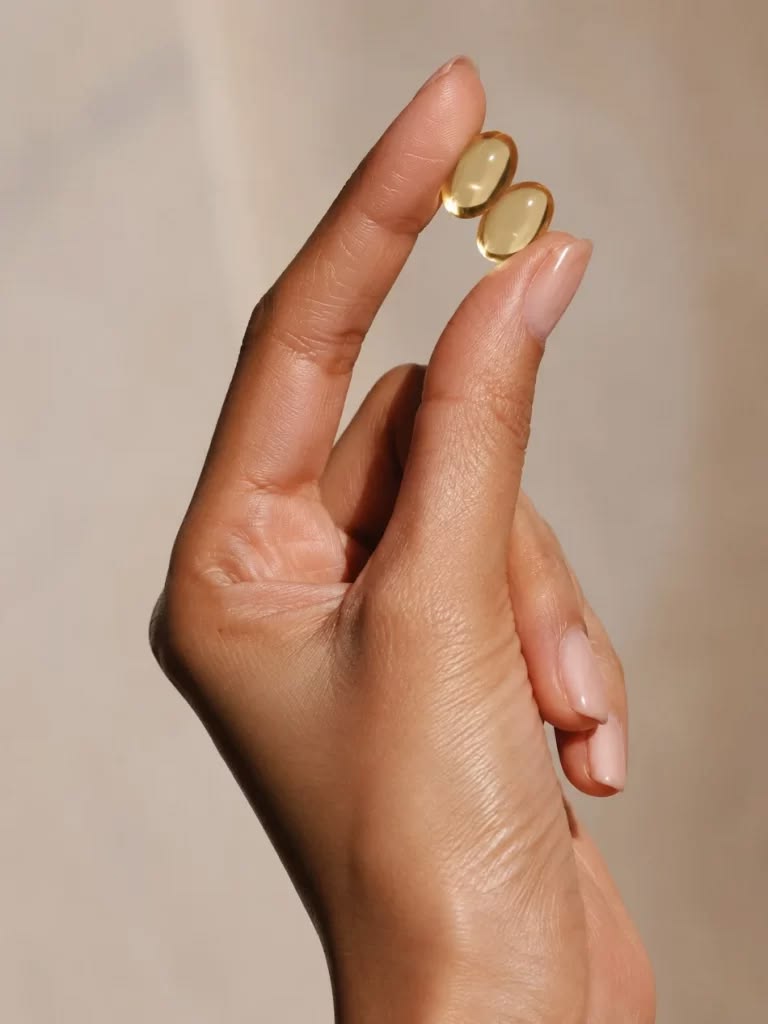
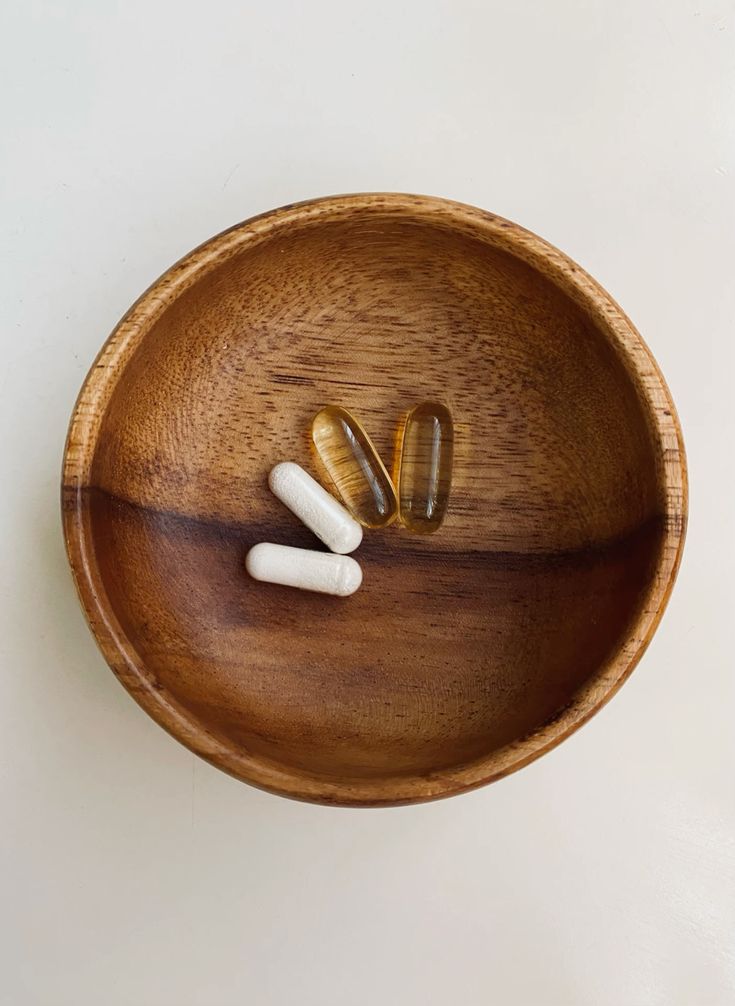
Supplementation is a practical and proven alternative. It’s worth talking over with your doctor to find out the right dosage for your individual levels and needs. Short bursts of sun exposure aren’t necessarily the enemy either. The goal is to find the right balance of creating enough, but not creating the cumulative damage that will affect your skin long term.
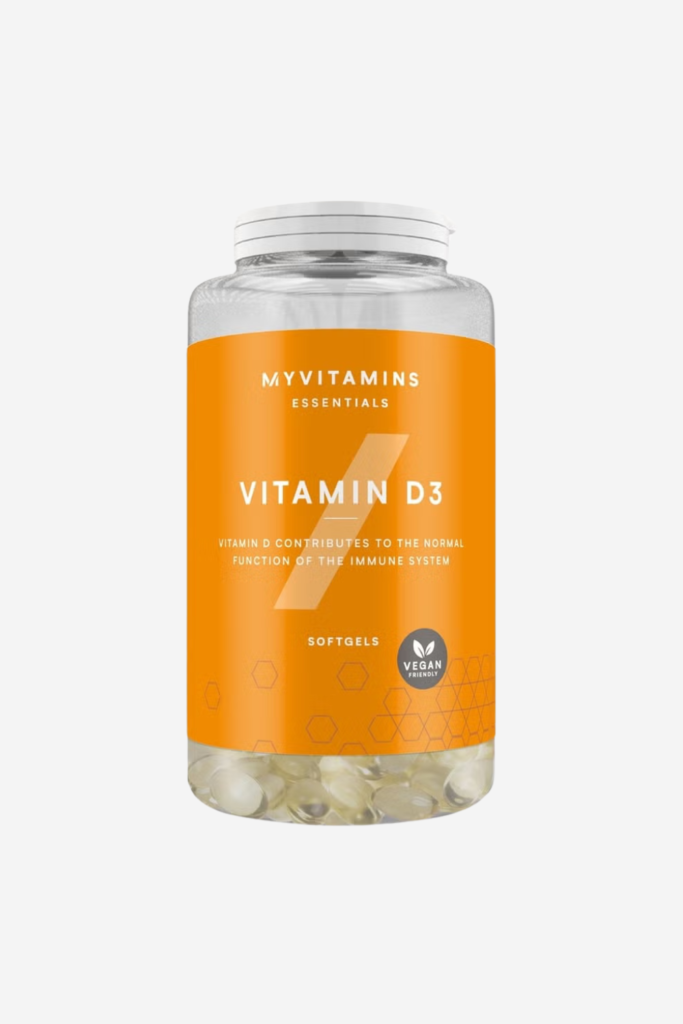
Myvitamins Vitamin D3 Softgels (60)
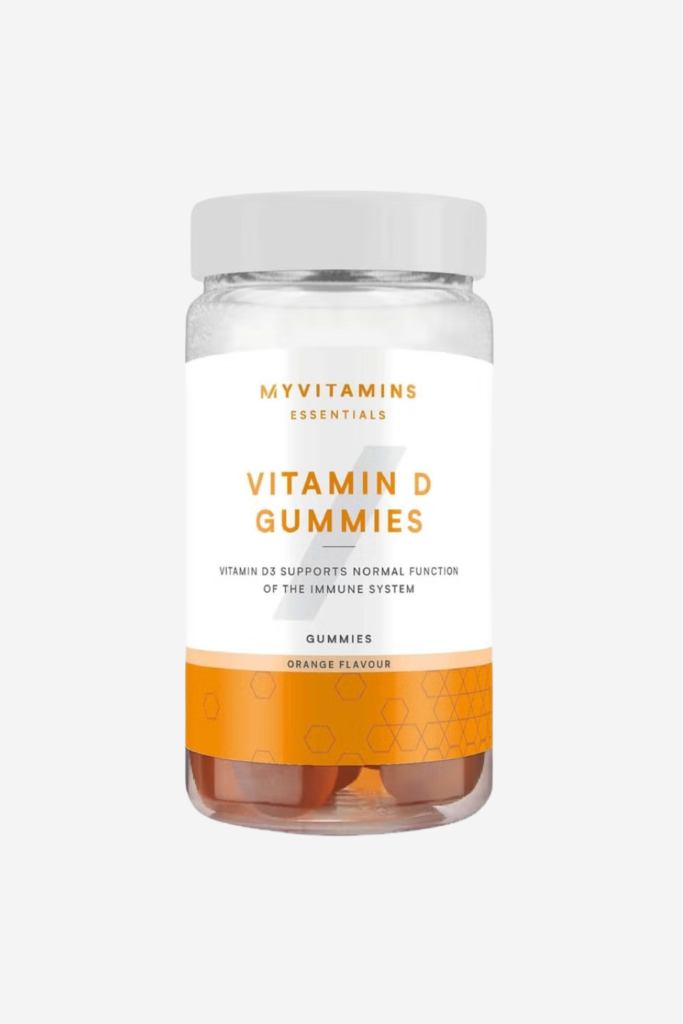
Myvitamins Vitamin D Gummies, Orange (60)
Brief, protected sun exposure isn’t automatically the enemy either — the goal is balance between adequate production and avoiding the cumulative damage covered in our sun protection content, not eliminating sun exposure entirely or relying on it as the sole source.
A supported barrier function means the surface that your makeup sits on is smoother. You can see the reduced dullness as a more even base before any product is applied at all. These are not certainties but indirect links.
Vitamin D creates the conditions for good-looking skin. It doesn’t create them on its own. If you’re also working on hydration, sun protection and a consistent skincare routine, you’ll see more of a difference than if you’re treating it as a standalone fix. For the barrier routine that works with this from the outside: [Create a Minimalist Barrier Routine for Healthier Skin]
Vitamin D is an important player in your skin health. It supports cell turnover, barrier function, and your inflammatory response in ways that manifest in how your skin looks and how your makeup sits on it.
The most realistic approach is a careful balancing act of sun exposure, diet and supplementation. When the foundations are in place, the skin benefits follow. How to Build an Evening Wind-Down Ritual to Rejuvenate Your Skin Overnight: [How to Create a Wind-Down Evening Ritual for Glowing Skin]
Products featured on Ntrl Look are chosen independently by our editorial team. When you shop through our affiliate links, we may receive a commission at no extra cost to you.
Publishing industries for previewing layouts and visual mockups.