



Related Posts



By Candace Lee • June 17, 2026 • 7 mins read


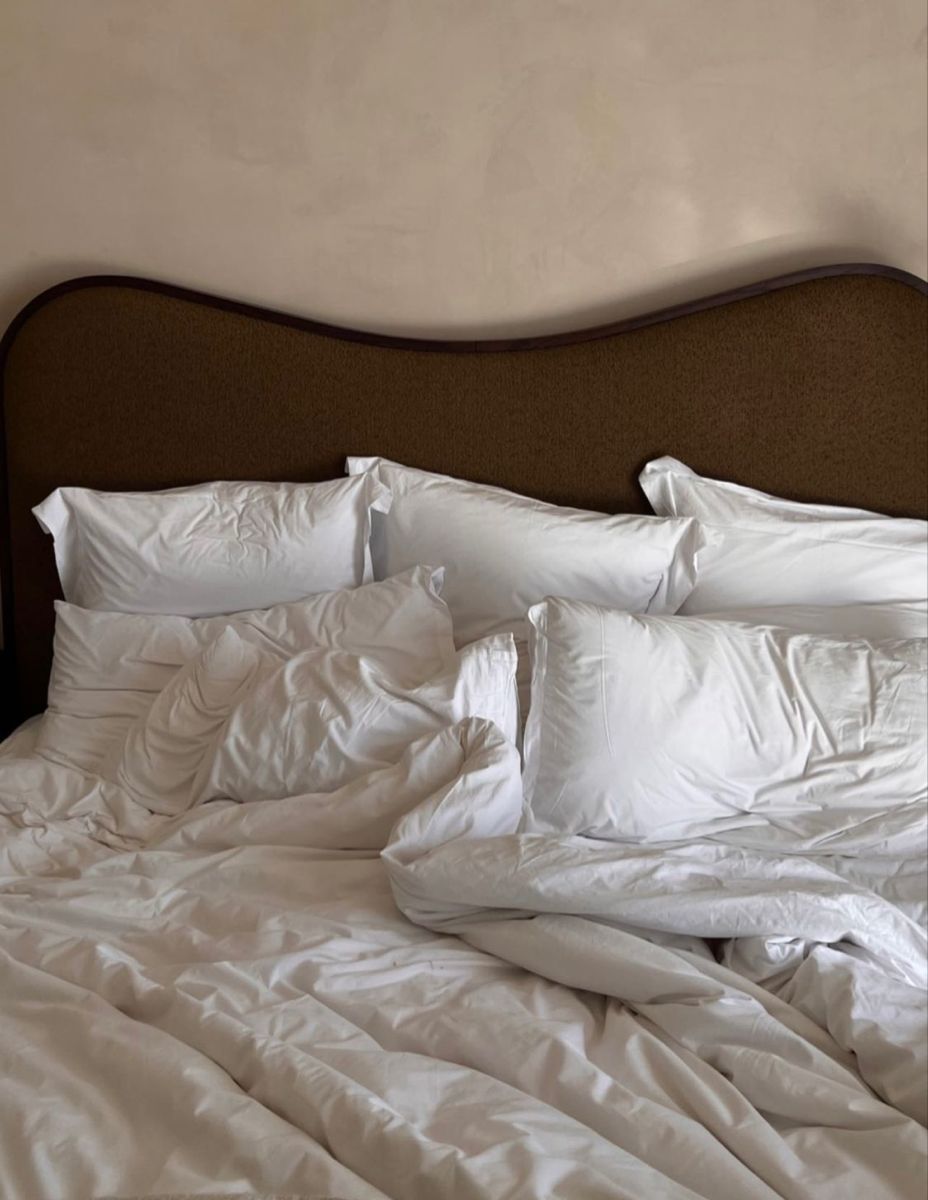
Poor sleep has a way of announcing itself before you’ve even had a chance to look in the mirror. Puffiness around the eyes, dull uneven skin tone, and a complexion that concealer can’t quite fix—these are the visible signs of sleep deprivation, and they become harder to manage in summer when rising temperatures make quality sleep more difficult to come by.
The connection between sleep and skin health is well-documented. During deep sleep, the skin increases its rate of cell repair, produces collagen, and regulates cortisol levels that, when elevated, contribute to inflammation, breakouts, and compromised barrier function. When heat disrupts that sleep quality, those repair processes are interrupted—and the evidence shows up in how your skin looks and how makeup performs on it. Managing sleep in summer isn’t just about feeling rested. It’s about giving your skin the conditions it needs to function properly.
The body’s natural sleep process is closely tied to temperature regulation. Core body temperature needs to drop by approximately one to two degrees Fahrenheit to initiate and maintain sleep—a process that happens automatically in cooler environments, and is actively impaired when ambient temperature remains high.
In summer, particularly in rooms that have absorbed heat throughout the day, the body struggles to trigger this drop efficiently. The result is disrupted sleep architecture: less time in the deep, restorative stages of sleep where the most significant skin repair takes place. Even people who manage to fall asleep in the heat often experience lighter, more fragmented sleep—which explains why a full eight hours in a warm room can still leave skin looking tired and makeup sitting poorly the next day.
The skin effects of heat-disrupted sleep compound quickly. Barrier function weakens, making skin more reactive and prone to sensitivity. Sebaceous glands can become more active, worsening oiliness. And the lymphatic drainage that naturally reduces puffiness during sleep is less effective when sleep quality is poor—which is why under-eye puffiness tends to worsen in summer.
The single most effective intervention for summer sleep is one that happens hours before bedtime: keeping your bedroom dark throughout the day. Rooms that absorb direct sunlight retain that heat well into the evening, making it difficult to lower the ambient temperature before bed even with open windows or fans running.
Blackout curtains or thermal blinds—kept closed during daylight hours—can reduce room temperature by several degrees by the time you’re ready to sleep. This is particularly relevant for rooms that face south or west and receive afternoon sun. The investment in room temperature management during the day pays off significantly in sleep quality at night.
Research consistently identifies this range as optimal for sleep. At these temperatures, the body can initiate the core temperature drop required for deep sleep without working against an overheated environment.
If air conditioning isn’t available, a combination of fan placement and strategic ventilation can approximate this. A fan directed toward the window (pushing hot air out) rather than into the room can be more effective than simply circulating warm air. Opening windows at night once outdoor temperatures drop below indoor levels also helps significantly—though in humid climates, this approach requires judgment.
A lukewarm shower 60–90 minutes before bed is one of the more effective evidence-based sleep interventions, particularly in summer. The mechanism is counterintuitive: rather than cooling you down directly, the warm water draws blood flow to the skin’s surface and extremities. When you exit the shower, that heat dissipates rapidly, causing a drop in core body temperature that signals the body to prepare for sleep.
Cold showers, despite feeling more refreshing in summer, are less effective for this purpose—the body’s response to cold water is to retain heat, working against the temperature drop needed for sleep onset.
This is also a natural point to incorporate evening skincare. A gentle cleanse to remove SPF and any product buildup, followed by a niacinamide serum or barrier-supporting moisturiser, means your skin enters its overnight repair cycle properly prepped.
Synthetic and microfibre bedding traps heat and restricts airflow, making temperature regulation during sleep significantly harder. Switching to natural fibres—linen or cotton percale specifically—makes a measurable difference. Both materials are breathable and moisture-wicking, drawing heat away from the body rather than holding it in.
Linen in particular becomes softer with washing and performs well in warm weather; it’s worth the initial investment if summer sleep is consistently disrupted. A single flat cotton sheet is often sufficient at peak summer temperatures, replacing heavier duvet layers that generate heat throughout the night.
Several habits that feel harmless in cooler months actively work against sleep quality in summer.
Alcohol disrupts sleep architecture even in small amounts, preventing the body from reaching and sustaining deeper sleep stages. It also raises core body temperature overnight—the opposite of what’s needed. In summer, the impact on sleep quality is more pronounced than at other times of year.
Heavy evening meals require significant digestive effort that generates body heat. Lighter evening eating, with the main meal earlier in the day, supports better temperature regulation during sleep.
Screen exposure in the hour before bed elevates alertness through blue light and mental stimulation. Dimming screens or switching to warmer display settings in the evening, combined with a cooler room, creates better conditions for sleep onset.
Wearing lightweight cotton socks to bed sounds like the opposite of what you’d want in summer, but the physiological logic is sound. Warming the feet dilates blood vessels in the extremities, which facilitates heat redistribution away from the body’s core—supporting the temperature drop needed for deep sleep. Research on this is limited but consistent, and it’s a low-effort adjustment worth trying for anyone who struggles with sleep onset in warm weather.
The skin improvements from consistent, quality sleep become visible relatively quickly. Within two to three nights of better sleep, under-eye puffiness typically reduces noticeably—a direct result of improved lymphatic drainage during uninterrupted sleep cycles. Skin tone becomes more even as cortisol levels stabilise, reducing the inflammatory responses that contribute to redness and uneven texture.
Over time, the barrier-strengthening effect of quality sleep has a measurable impact on how makeup performs. Skin that has repaired efficiently overnight holds moisture better, creates a smoother surface for foundation, and is less reactive to daily product application. The compounding effect of consistent sleep quality is one of the most significant skin changes that doesn’t require a single additional skincare product.
For oily skin specifically—which tends to worsen in summer heat—sleep quality has a direct impact on sebum regulation. Elevated cortisol from poor sleep stimulates sebaceous glands, and reducing that cortisol load through better sleep is one of the more straightforward ways to manage excess oil production from the inside.
For more on managing oily skin in summer, see our guide to niacinamide for oily skin—particularly relevant for the evening skincare routine that supports overnight repair.
Summer heat disrupts the specific physiological conditions your body needs for quality sleep, and that disruption shows up clearly in your skin. Managing your sleep environment—room temperature, bedding, evening habits, and the timing of thermal exposure—creates the conditions for the overnight repair processes that make skin look healthier, function better, and respond more predictably to makeup.
The adjustments required are practical and most are low-cost: blackout curtains, natural fibre bedding, a shift in evening habits. What they deliver—better skin quality, improved barrier function, and makeup that applies more evenly—is the kind of result that skincare products alone can’t replicate.
Publishing industries for previewing layouts and visual mockups.