




Related Posts



By Aliyah Ray • March 5, 2026 • 8 mins read


If you’ve had a bad night’s sleep, you’ve probably noticed that makeup just doesn’t work the same way, and that’s not a coincidence. In a study of 24 women, two nights of restricted sleep were associated with lower skin hydration, higher transepidermal water loss (TEWL), and changes in facial appearance. (Pubmed). In practical terms, that means puffiness, dullness, increased texture, and compromised skin that doesn’t hold makeup the way rested skin does.
This article covers what sleep deprivation is actually doing to your skin at a biological level, how each of those changes affects makeup application and wear, and what to adjust in your skincare and makeup routine when a good night’s sleep wasn’t an option.
Sleep isn’t passive for skin. Between roughly 10 pm and 2 am, your body releases human growth hormone, which triggers cell renewal and collagen production. This is when skin repairs damage from the day — UV exposure, pollution, and the physical stress of wearing makeup for hours. Cut that window short, and the repair cycle is interrupted before it completes.
Cortisol is the other side of the equation. Poor sleep elevates stress hormones, and cortisol specifically breaks down collagen, increases inflammation, and disrupts the skin barrier. That disruption means the outer layer of skin becomes less effective at retaining moisture overnight. A process called transepidermal water loss increases, and skin arrives at morning drier and less structurally sound than it would after a full night’s sleep.
Blood circulation also slows during poor sleep. Skin relies on circulation to deliver oxygen and remove waste — when that process is compromised, the result is the dull, slightly grey-toned skin that’s frustratingly resistant to skincare the morning after a bad night. That dullness isn’t a surface problem. It’s a circulation problem. Which is why no amount of illuminating primer fully corrects it.
All of this matters for makeup because the surface your foundation is working with has genuinely changed overnight. Not temporarily or superficially — the barrier function, the moisture levels, the cell turnover, and the circulation have all been affected. Understanding that is what makes the practical adjustments make sense.
The practical consequence of everything happening beneath the surface is that makeup behaves differently on sleep-deprived skin — and understanding how helps you make the right adjustments rather than applying the same routine and wondering why it isn’t working.
Sleep restriction can alter hydration and barrier-related measures, which may contribute to changes in how makeup looks or feels (Pubmed). It can look more textured, more settled, and less like skin within a couple of hours because the compromised barrier can’t hold moisture — so the skin underneath the makeup is shifting in a way that rested skin doesn’t.
Concealer under the eyes creases faster — and it’s not a concealer problem, it’s a surface problem. Puffiness changes the under-eye area into a raised, uneven surface that the product has nowhere stable to sit on. Dark circles are also worth understanding specifically: some are blue-purple from visible blood vessels, others are warm or brown from pigmentation. The correction approach needs to match the undertone, because a pink corrector on a brown dark circle makes things worse, not better.
Colour payoff reads differently on dull skin. Blush that looks flushed and natural on rested skin can look flat or painted on grey-toned, tired skin because the underlying luminosity isn’t there to interact with the pigment. The same applies to highlighter — it emphasises texture rather than glow when skin is dehydrated and dull.
Powder performs worse on dehydrated skin. It sits on top of a compromised surface and exaggerates dryness, texture, and any settling that’s already happening. When powder is making things look worse rather than better, that’s a clear signal the routine needs adjusting.
The morning after, your main priority should be barrier repair and hydration, especially in that order, and more intentionally than a regular morning.
Your first adjustment should be what to skip. Strong actives — high-concentration vitamin C, acids, and anything exfoliating. These are better left out the morning after poor sleep because the barrier is already compromised. Applying actives on disrupted skin increases the risk of irritation and makes the surface less cooperative for makeup. This is only a temporary adjustment for the days when you feel your skin needs more support rather than more stimulation.
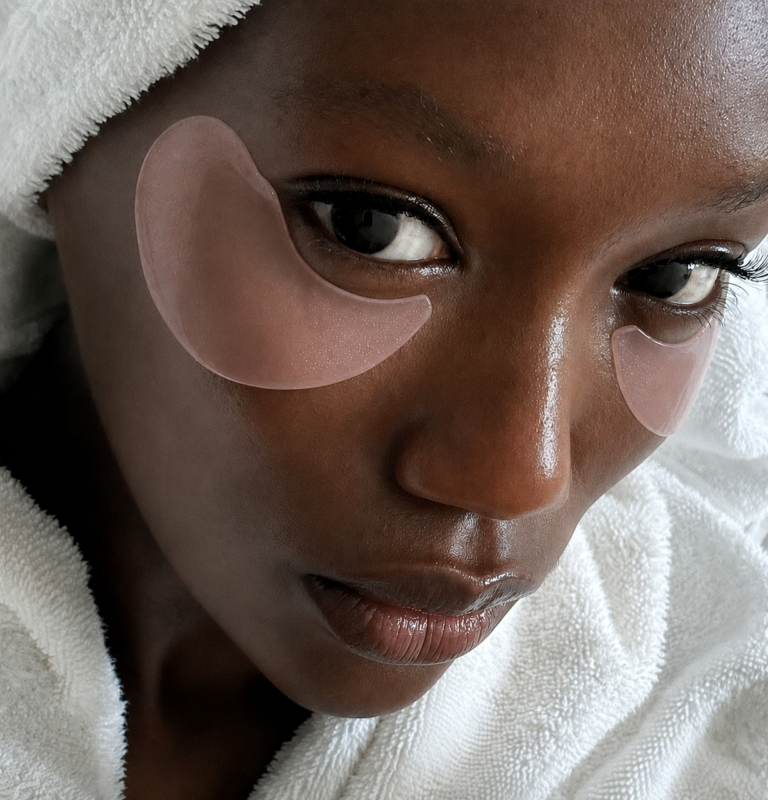
If you wake up to puffiness, aim to tackle this before skincare. Cold temperatures constrict blood vessels and reduce fluid accumulation. Using a cold compress, a chilled facial roller, or even cold water for 30 seconds can make a measurable difference in how the under-eye area looks before concealer goes on. Caffeine-based eye products work similarly by constricting the blood vessels that contribute to dark circles and mild puffiness.
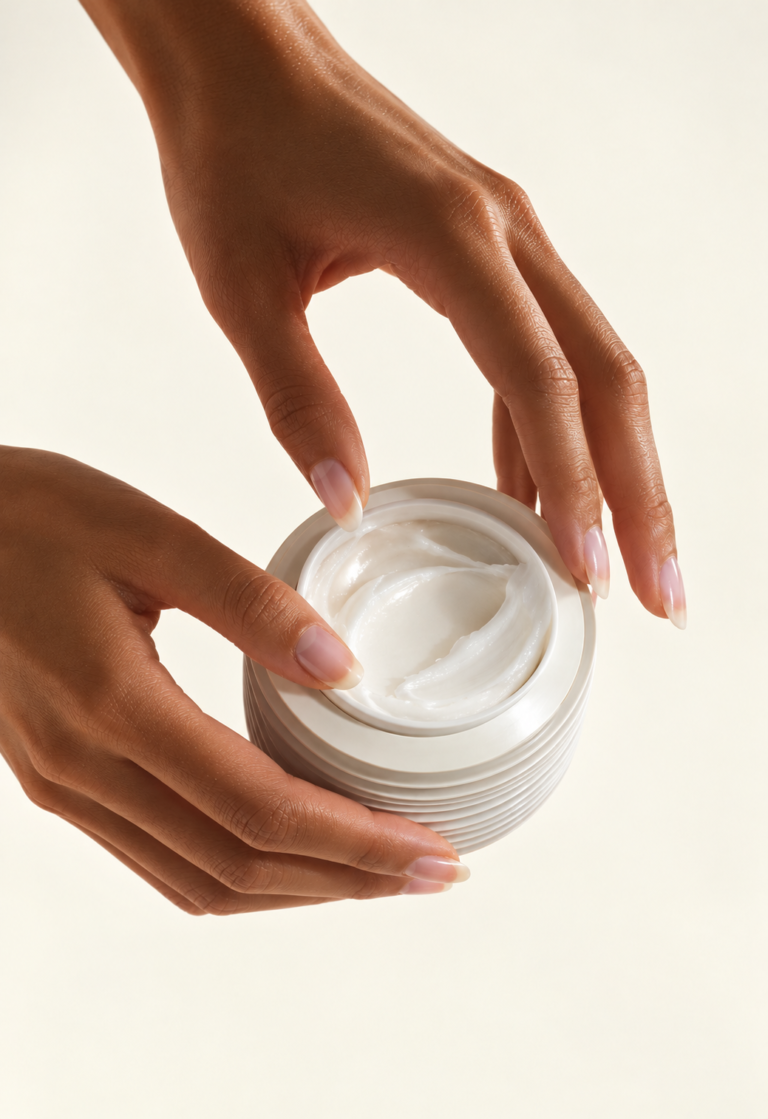
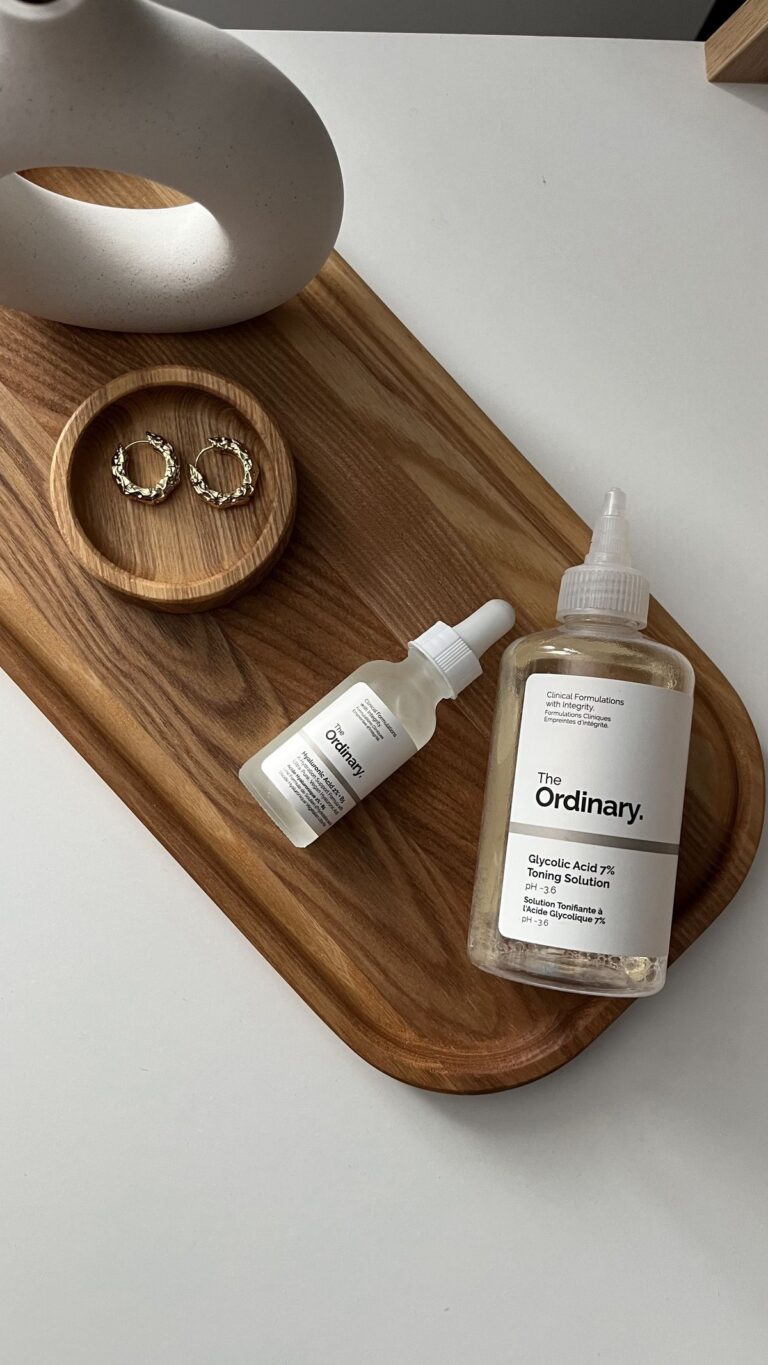
Your routine itself should lean slightly richer than usual, and that goes for every skin type. A hydrating toner, a barrier-supportive serum (hyaluronic acid or ceramide-based), and a slightly more substantial moisturiser give skin the best chance of holding up under makeup throughout the day. If you have oily skin, you don’t need a heavy cream; a gel-cream with barrier-supporting ingredients is enough.
The goal is simple. Give your skin what the overnight repair cycle didn’t get to finish, as much hydration and barrier support as the morning allows.
The most common mistake on tired skin days is reaching for more product and more coverage. It almost always makes things look worse, so the professional approach goes the other direction.
A lighter foundation formula is going to perform better than a full-coverage one. Skin tints, serum foundations, and sheer-to-medium coverage formulas move with skin rather than sitting on top of a compromised surface. Full coverage on dehydrated, textured skin emphasises exactly what you’re trying to cover. Start lighter and build only where you really need it, and stop before the instinct to add more kicks in.
For concealer under the eyes, your placement matters more than usual, especially when puffiness is present. Apply it slightly lower than you normally would, on the shadow the puffiness creates rather than directly on the raised area, and blend upward with a light pressing motion. That covers the dark area without adding product to the puffy surface, where it’ll crease straight away.
Colour is actually one of your best tools on a tired skin day. A warm-toned blush placed higher on the cheekbones, that’s closer to the temple than the apple of the cheek, pulls the face upward visually and counteracts the heavy, downward look tired skin creates.
As for powder, use it sparingly or skip it entirely on dehydrated areas. Setting spray over a lightly powdered base holds better on tired skin than heavy powder application. It ties all the layers together without the drying effect that makes texture and settling worse as the day goes on.
The makeup adjustments help on the day. But consistent sleep is what actually shifts the baseline — and the improvements show up in how makeup applies and wears over two to four weeks.
The habits that make the most difference are simpler than most people expect. Consistent sleep and wake times, a cooler room, and a PM skincare routine that works with the overnight repair cycle rather than skipping it. None of it needs to be perfect, but small, consistent changes make a measurable difference to how skin performs under makeup. And that’s the return that makes it worth paying attention to.
Sleep deprivation doesn’t just make you feel worse; it changes the surface your makeup is working with. Reduced barrier function, increased inflammation, compromised circulation, and elevated cortisol all show up in how skin looks and how makeup holds. That’s not something skincare or technique can fully override on the day.
But understanding what’s happening makes it easier to adjust. A slightly richer morning routine, a lighter foundation formula, and a more careful concealer application can make a noticeable difference when sleep isn’t there. And consistent good sleep, over time, is one of the highest-return investments in how skin performs under makeup — more than most products.
For the full morning routine that gets skin in the best possible condition before makeup — including after a rough night — here’s where to start: [The Morning Skincare Routine for Flawless All-Day Makeup].
Publishing industries for previewing layouts and visual mockups.