









Related Posts


By Candace Lee • March 24, 2026 • 7 mins read


You’ve got a good foundation. You know how to apply it. But by midday, it’s patchy, uneven, or sitting on top of your skin instead of blending into it. Often, the issue isn’t your foundation — it’s what going on underneath.
Skin prep is the step that determines how everything after it performs. Skip it, rush it, or get it wrong, and the best foundation in the world won’t deliver what it’s supposed to. Here’s what actually happens when you skip skin prep — and what a proper prep routine looks like in practice.
Skin prep isn’t about loading your face with products. It’s about creating the right surface conditions for your makeup to work.
When your skin is prepped correctly — cleansed, hydrated, moisturised, and protected — foundation has something to adhere to. The surface is smooth, your moisture barrier is intact, and your skin’s pH is balanced. Foundation goes on evenly, blends without resistance, and stays where you put it throughout the day.
Without prep, those ideal conditions become much harder to achieve. Foundation may land on a surface that’s too dry, too oily, or both — making it difficult to behave the way it’s designed to.
One thing worth clarifying: skin prep and priming are not the same thing. Skin prep is skincare — cleansing, hydrating, moisturising, SPF. Primer is a makeup product that sits on top of that. Primer can refine pores and extend wear, but it can’t compensate for missing prep. It’s an optional step on top of a prepared surface, not a replacement for preparing it.
Skipping prep has consequences that show up at predictable points throughout your day. Your foundation tends to cling to any dry or rough areas first, sitting heavier where dead cells have accumulated and creating patchiness that no amount of blending will fully fix.
On skin that hasn’t been balanced, it’s also more likely to pill — your natural oils and dry texture cause the product to bead rather than absorb, the same way incompatible skincare layers resist each other.
From there, it’s a waiting game. Without a moisturised barrier keeping your hydration stable, your skin starts to dehydrate under your makeup as the day goes on — your foundation shifts, separates, and oxidises faster as it interacts with your oils.
If you have sensitive skin, there’s an added layer to consider: without barrier support, foundation ingredients make direct contact with an unprotected surface, which is one of the more consistent reasons you might notice redness and irritation by the end of the day.
Effective skin prep doesn’t require fifteen steps or thirty minutes. It requires four things done in the right order.
Step 1: Cleanse. A gentle cleanser removes overnight sebum, product residue, and surface debris. This is the clean starting point that everything else depends on. In the morning, a gentle gel or cream cleanser is enough. You don’t need to double cleanse unless your skin is particularly oily or you used a heavy overnight product.
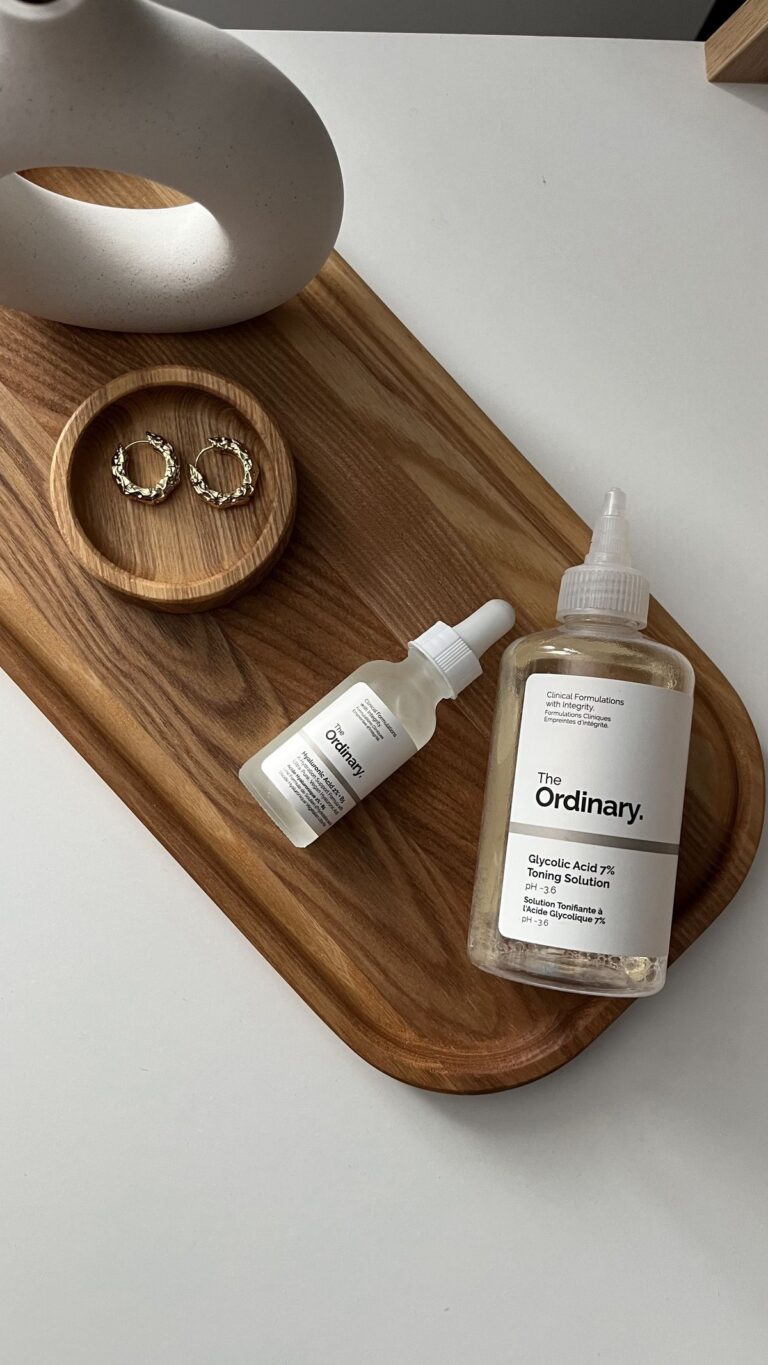
Step 2: Hydrating toner or essence. This is the step most people skip — and the one that makes the most visible difference to how foundation applies. It replenishes the first layer of moisture that cleansing removes and helps your skin absorb your serum and moisturiser more effectively. Pat it in with clean hands rather than a cotton pad for better absorption.
Step 3: Moisturiser. This helps seal in hydration and supports your skin barrier. The finish matters here — a gel-cream can work well for oily skin, while a lotion or cream may suit drier skin. Apply it and give it a little time to settle before going in with foundation. The exact wait will depend on your products and how quickly they absorb.
Step 4: SPF. Last, before foundation. Non-negotiable — and not just for sun protection. A well-absorbed SPF can help create a more even surface for foundation.
The four steps are the same for every skin type. It’s the formula choices within those steps that are personal to you.
Oily skin still needs moisturiser before foundation — skipping it is actually one of the most common prep mistakes. When your skin feels stripped, your sebaceous glands tend to overcompensate and produce more oil throughout the day. A lightweight gel moisturiser gives you the hydration you need without adding weight, and gives your skin less reason to go into overdrive. Foundation on properly moisturised oily skin genuinely holds longer than it does on skin that’s been left bare.
Dry skin tends to benefit most from a little extra time in the prep stage. A hydrating toner followed by a ceramide or hyaluronic acid serum, then a richer moisturiser, gives your skin enough moisture that foundation won’t grab at dry patches. If you can, allow five minutes after moisturiser before applying your base — it makes a noticeable difference to how evenly everything sits.
Combination skin responds well to a zoning approach, using a lighter moisturiser through the T-zone and something a little richer through the cheeks. It’s a small adjustment, but it means you’re not over-moisturising areas that don’t need it while still giving drier areas what they do.
Sensitive skin tends to do best with less rather than more — shorter ingredient lists, fragrance-free formulas, and nothing high in actives before makeup. The goal is a calm, settled surface to work from. When your skin is reactive going into the day, foundation will naturally have a harder time sitting and holding than it would over something stable and supported.
Perfect skin prep every morning isn’t always realistic — and that’s okay. Even a compressed version of your routine makes more of a difference than skipping it altogether.
If you have just 60 seconds, a hydrating mist or facial spray applied before your moisturiser can stand in for the toner step and still give your skin that first layer of hydration it’s missing. It’s not the same as a full routine, but it closes enough of the gap to matter.
Multi-tasking products are worth having on hand for mornings like these. A moisturiser with SPF built in removes a step without losing the function, and a tinted SPF can take care of coverage and protection at once. They’re not a substitute for your full routine, but they keep your skin prepared enough for makeup to sit and wear well.
If you can only do one thing, make it moisturiser before foundation. Everything else is negotiable — but foundation on bare skin will always struggle, no matter how good the formula.
The other thing worth knowing is that consistency builds on itself. Skin that’s regularly prepped holds hydration better, evens out in texture, and maintains a more stable barrier over time. So even on your most rushed mornings, you’re starting from a better place than you would be otherwise.
For the full morning routine: [The Morning Skincare Routine for Flawless All-Day Makeup]. And for the oily skin-specific prep approach: [Skincare Routine for Oily Skin That Wears Foundation Daily].
Skin prep isn’t a nice-to-have. It’s the foundation of everything that goes on top — and the most common reason a good formula under performs. A five-minute routine done consistently produces a surface that your makeup can actually work with.
Publishing industries for previewing layouts and visual mockups.