





Related Posts

Barrier Care
Instantly Revitalise Your Skin Barrier Function: Thriving Through Climate Change
25 Feb 2025



By Siena Brown • July 13, 2026 • 6 mins read


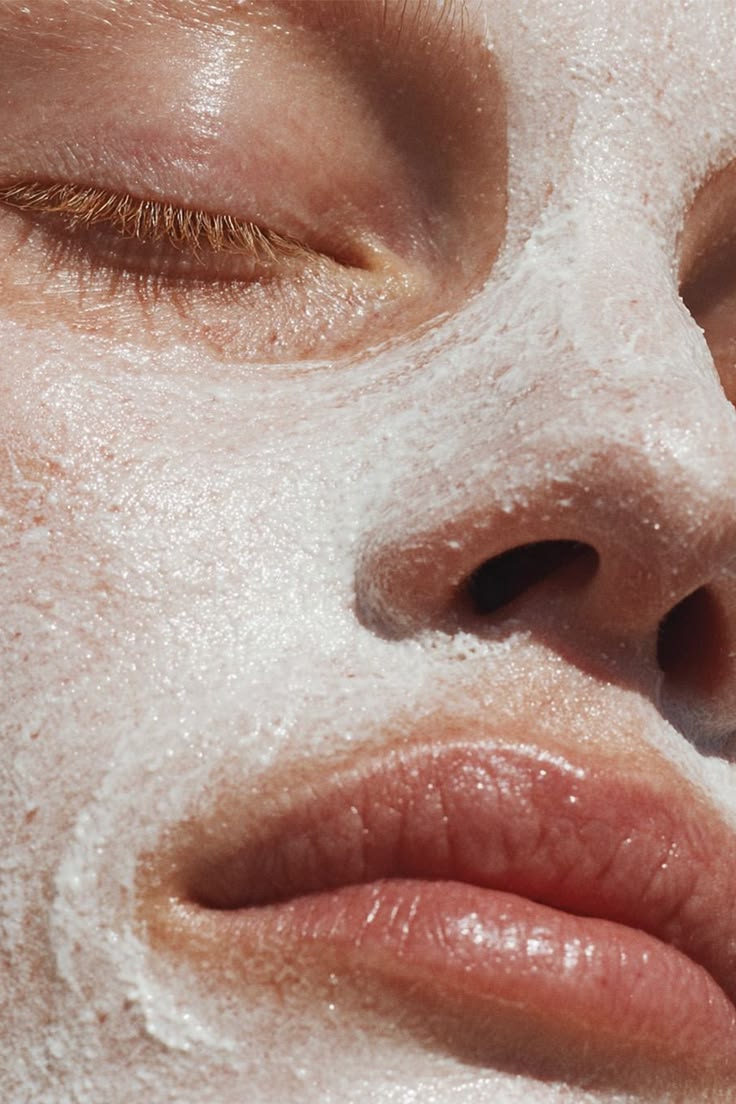
Exfoliation is one of the most misused steps in a skincare routine. When it’s done correctly, it improves texture, supports cell turnover, and makes your makeup go on more evenly. Done too often or too aggressively, it strips the barrier, causes sensitivity, and leaves skin worse than before. This article will cover how to exfoliate properly without crossing over into damage territory.
Exfoliation helps to remove the build-up of dead skin cells sitting on your skin. This is what lets the newer skin underneath come through. The immediate texture improvement you might notice is genuine, with your skin smoother and less obstructed.
It also generally promotes cell turnover, helping your skin to replace itself at a healthier rate. Product absorption has a direct knock-on effect. Freshly exfoliated skin can absorb serums and moisturisers better than skin with a layer of dead cells sitting between the product and the layers that actually benefit from it.
In the case of makeup, for example, a smoother surface means that your foundation and concealer have less texture to latch onto. The product sits more evenly, blends more easily, and photographs with a less noticeable texture.
What exfoliation isn’t doing is worth knowing too. It doesn’t create new skin cells or reverse structural ageing. It clears away what’s already there and encourages the turnover your skin does naturally, just more efficiently.
Physical exfoliants work by manually buffing away dead skin cells through friction. Scrubs, brushes, and textured tools all fall into this category. They’re immediate and tactile, which is part of their appeal. That same directness is also where they most commonly cause problems. Too much pressure, too coarse a texture, or too frequent use causes micro-tears and irritation that aren’t always visible right away.
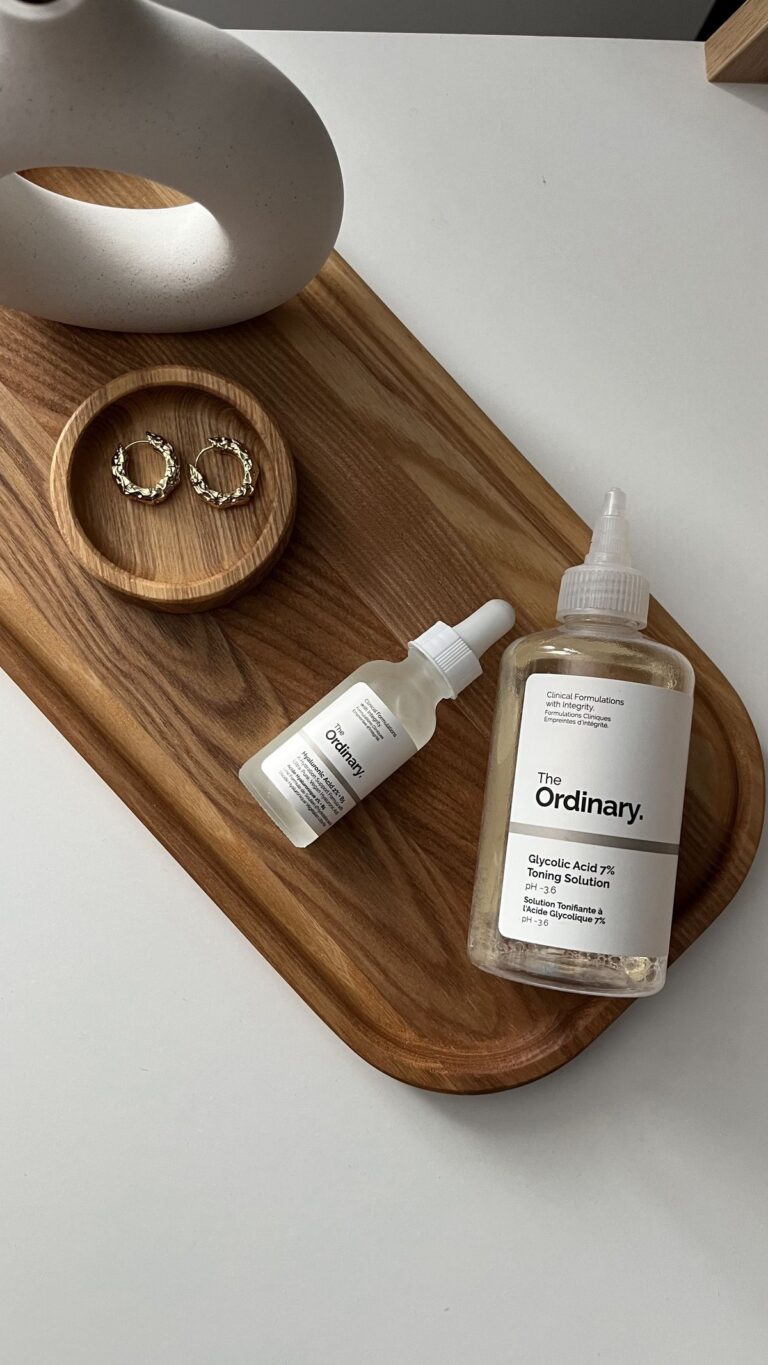
Chemical exfoliants work differently. They use acids to dissolve the bonds holding dead skin cells together, allowing them to shed more evenly than manual buffing achieves. AHAs like glycolic and lactic acid tend to suit dry or normal skin better. BHAs like salicylic acid are oil-soluble, penetrate into pores, and suit oily or acne-prone skin more specifically. Enzyme exfoliants are the gentlest chemical option and suit sensitive skin that reacts to stronger acids, though the effect is correspondingly milder.
Where each type goes wrong follows the same pattern. Physical exfoliants cause damage through too much mechanical force. Chemical exfoliants cause damage through too high a concentration or too frequent use, disrupting your skin’s natural pH and barrier before it has time to recover.
Treating all exfoliation as a single daily-or-not decision is one of the more common mistakes. Physical exfoliation holds up best at two to three times a week for most skin types. More than that rarely improves results and more often causes the cumulative micro-damage that leads to sensitivity.
Chemical exfoliants vary more by strength and your skin’s tolerance. A gentle AHA or BHA at a low percentage might suit daily use for some skin types. A stronger formulation might only be appropriate two to three times a week. More exfoliation doesn’t produce proportionally more benefit. Your skin has a genuine capacity for how much cell turnover disruption it can handle before the process starts damaging the barrier instead.
The clearest signal that you need to pull back is skin that starts looking worse after exfoliating rather than better. If you’re combining exfoliation with other actives, frequency needs even more careful management. [How to Layer Actives Without Destroying Your Skin or Your Makeup] covers this in more depth, since stacking actives is one of the most common ways over-exfoliation happens without anyone intending it.
Redness that doesn’t resolve within a reasonable window is a clear signal. Ongoing sensitivity to products that previously felt fine is another. A persistent tight or uncomfortable feeling that doesn’t ease with moisturiser points to barrier compromise rather than a single reaction.
One of the more makeup-specific signs is foundation that suddenly won’t sit right. Patchiness, unusual absorption, or product that seems to sit on top of skin rather than blending in — despite using the same formula and technique — often shows up before the more obvious skin symptoms do. A compromised barrier changes how your skin interacts with everything applied on top of it.
Recognising these signs early matters. Continuing to exfoliate compromised skin tends to deepen the damage rather than resolve it.
Oily skin
BHAs are your best option. They’re oil-soluble and penetrate into pores rather than sitting on the surface. Two to three times a week is a reasonable starting point. Oily skin tolerates more frequent exfoliation than other types, but it still has a limit.
Dry skin
AHAs over BHAs, lower frequency, and more attention to hydration alongside exfoliation. Your barrier is less naturally resilient, so gentler and less often is the right direction. Always follow exfoliation with a nourishing moisturiser.
Sensitive skin
Enzyme exfoliants are the safest starting point. They’re the gentlest option available and least likely to trigger a reaction. Approach physical exfoliation cautiously here, if at all. Patch-test any new exfoliant before using it all over.
Combination skin
A zoned approach works better than one formula applied everywhere. A slightly stronger option on the T-zone, a gentler formula or less frequent use on drier areas like the cheeks. One uniform approach rarely serves both zones well.
A note on season and routine
Your skin type isn’t the only variable. Winter skin typically needs a lighter touch than summer skin, when the barrier is better supported by humidity. And if your routine already includes retinoids or strong actives, your skin has less capacity to also handle frequent exfoliation without tipping into irritation.
When done right and with the right formula for your skin type, exfoliation earns a spot in a routine. The results offer smoother texture and a more even surface for makeup — but only when frequency and formula strength stay matched to what skin can actually handle, rather than escalating in pursuit of faster results. For more on how skin prep more broadly affects makeup performance, see [What Skipping Skin Prep Does to Your Makeup].
Publishing industries for previewing layouts and visual mockups.