







Related Posts





By Siena Brown • July 8, 2026 • 5 mins read


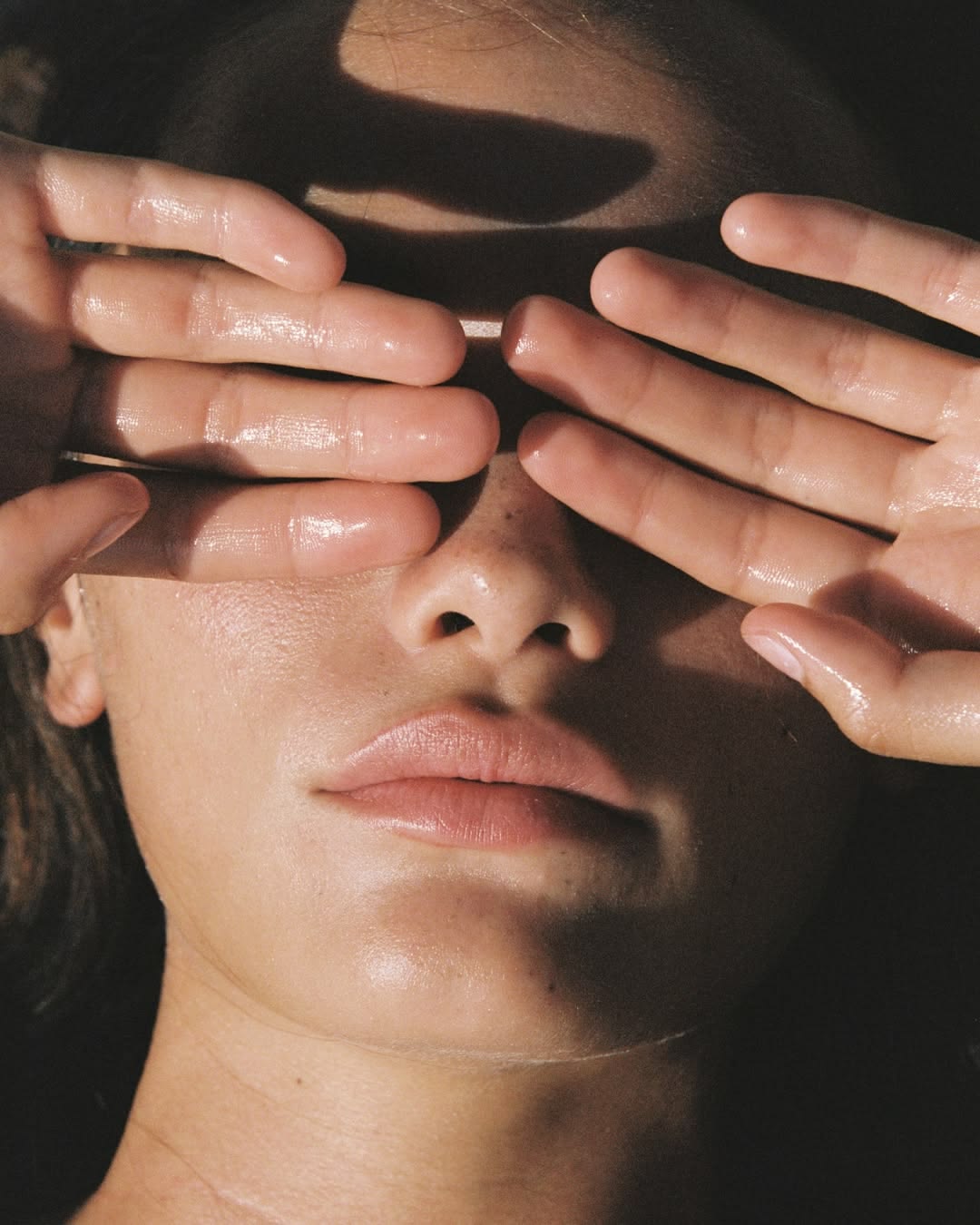
Hyperpigmentation that’s been fading all winter can look noticeably darker again within weeks of consistent summer sun exposure, which can feel discouraging after months of a consistent routine. This isn’t a coincidence or a sign the routine stopped working — UV exposure is one of the most direct triggers for melanin production, and existing hyperpigmentation is especially reactive to it.
Understanding why this happens makes the summer protection routine feel less like starting over and more like a necessary seasonal adjustment. Here’s the actual mechanism and what genuinely helps protect skin through it.
UV exposure triggers melanin production as a protective response — it’s the skin’s way of shielding itself from further UV damage. This is a normal, healthy mechanism in general, but it becomes visibly frustrating in areas that already have excess melanin concentrated from previous inflammation, sun damage, or hormonal changes.
Already-hyperpigmented areas tend to respond more intensely to UV than surrounding skin, because the melanin-producing cells in those areas are already primed and more reactive. This is different from new sun-triggered spots forming on previously even-toned skin — it’s existing pigmentation deepening further, which is why summer can feel like it’s actively working against months of careful management. This effect can show up within a few weeks of consistent exposure, not months, which is part of why the change can feel sudden even though the underlying cause is gradual, cumulative sun exposure.
Common gaps in SPF application — not enough product, infrequent reapplication, or missed areas like the hairline and ears — leave hyperpigmentation vulnerable even when someone’s technically “wearing SPF” every day. The gap between wearing sunscreen and wearing enough sunscreen, applied consistently enough, is where a lot of summer pigmentation regression actually happens.
Hyperpigmented skin often benefits from a more rigorous SPF routine than the rest of the face specifically because of how reactive it is — this might mean prioritising reapplication on affected areas even on days when time is limited elsewhere. Broad-spectrum protection matters more than the SPF number alone here, since UVA exposure (which penetrates more consistently through cloud cover and glass) plays a significant role in pigmentation specifically, not just UVB, which SPF numbers are primarily calibrated against.
Vitamin C works alongside SPF, not instead of it, supporting a more even tone over time by interfering with excess melanin production and offering some antioxidant protection against UV-related stress. It’s a support ingredient rather than a substitute for sun protection.
Niacinamide plays a relevant role here too, building on its established use for oily and acne-prone skin — it has a supportive effect on reducing the appearance of hyperpigmentation over consistent use, though the timeline for visible change is measured in weeks and months, not days. Retinoids are frequently paused or reduced in summer because of increased sun sensitivity, which is a reasonable precaution — but it’s worth being clear this doesn’t mean pigmentation management stops during that window, just that the ingredient toolkit shifts toward SPF, vitamin C, and niacinamide rather than retinoid-driven turnover. It’s worth setting honest expectations across all of this: these ingredients support and help prevent further worsening, they don’t deliver an instant correction.
Seeking shade during peak UV hours — roughly late morning through mid-afternoon — is a genuinely underrated protective habit that doesn’t require giving up time outdoors, just adjusting when and where. This single habit can meaningfully reduce cumulative exposure without requiring a major lifestyle change.
Hats and physical coverage matter specifically for the areas most prone to hyperpigmentation — face and hands most commonly — since these tend to get consistent, repeated exposure that’s easy to underestimate across a summer of daily activities like commuting or dog walks. Cumulative small exposures add up in a way that’s easy to dismiss individually; ten minutes of unprotected exposure most days adds up to more total UV exposure over a season than a single longer day with proper protection. None of this requires avoiding the sun altogether — it’s about realistic, sustainable habits rather than an all-or-nothing approach that’s unlikely to actually hold up over a full summer.
Hyperpigmentation management is a slow, seasonal process rather than something resolved within a single summer, and setting that expectation upfront tends to prevent the discouragement that leads people to abandon a routine that’s actually working, just slowly.
Persistent, worsening, or new irregular patches — particularly anything with unusual borders or rapid change — are worth a dermatologist visit rather than continued routine adjustment alone, since these can sometimes indicate something beyond typical post-inflammatory or sun-related hyperpigmentation. For most cases, though, the realistic takeaway is that consistent protection now prevents a harder recovery later, even if the visible progress feels slow during the months it’s actually needed most.
Hyperpigmentation worsening in summer isn’t a routine failure — it’s a predictable response to UV exposure that existing pigmentation is especially sensitive to. Rigorous SPF, supportive ingredients, and a few sun-behaviour adjustments won’t erase it overnight, but they meaningfully protect the progress already made and prevent a harder recovery once summer ends.
This is general information and isn’t a substitute for personalised advice from a dermatologist, particularly for persistent or changing pigmentation.
Publishing industries for previewing layouts and visual mockups.