









Related Posts




By Siena Brown • June 18, 2026 • 9 mins read



Sun exposure changes your skin in ways that show up clearly when you try to apply makeup. Foundation that usually blends seamlessly can look patchy and uneven. Concealer settles into dry areas. Skin that was smooth in the morning feels tight, textured, and reactive by evening. These aren’t imagined—sun exposure genuinely alters the skin’s surface and barrier function in ways that affect how every product you apply behaves.
The good news is that the right after-sun skincare routine addresses both problems at once: it supports the skin’s overnight repair process and restores the conditions that allow makeup to perform well the next day. This guide covers exactly what happens to skin after sun exposure, which ingredients actually repair the damage, and how to build an evening routine that has your skin ready for makeup by morning.
Understanding what’s happening beneath the surface makes it easier to choose the right products and apply them in the right order.
Sun exposure triggers several simultaneous responses in the skin. UV radiation depletes the skin’s natural moisture content, disrupting the balance of lipids that make up the skin barrier—the protective layer that keeps hydration in and irritants out. When this barrier is compromised, skin loses water rapidly, which is why skin can feel tight and dehydrated even hours after leaving the sun.
UV exposure also causes inflammation in the skin’s deeper layers, even when there’s no visible redness or burn. This low-grade inflammation accelerates skin cell breakdown, contributes to uneven pigmentation over time, and temporarily increases skin sensitivity. For makeup wearers, it’s the sensitivity element that creates the most immediate problem: inflamed, compromised skin is more reactive to product application, more prone to patchiness, and less able to hold makeup in place throughout the day.
The skin barrier repair process begins automatically after sun exposure, but it requires the right environment to work efficiently—and layering the wrong products can actively slow it down.
Cleansing after sun exposure requires more care than a standard evening cleanse. Skin is already sensitised, and a harsh or high-pH cleanser will strip the remaining lipids the barrier is trying to use for repair.
A gentle, pH-balanced gel or cream cleanser—ideally fragrance-free—removes SPF, sweat, and environmental buildup without further disrupting the barrier. If you’ve worn makeup during the day, a two-step cleanse makes sense: start with a micellar water or cleansing oil to dissolve makeup and SPF, followed by a gentle second cleanse to clear residue.
Avoid foaming cleansers with sulphates on post-sun skin. They’re effective at removing oil, but on already-compromised skin, they create more damage than they resolve.
This is the most important step in an after-sun routine for skin that wears makeup. The serum applied after cleansing sets the conditions for overnight repair—and those conditions directly determine how skin looks and behaves the next morning.
Niacinamide is one of the most relevant ingredients here. It actively supports barrier repair by stimulating the production of ceramides—the lipid components that form the skin’s protective layer. It also has anti-inflammatory properties that help calm the low-grade inflammation caused by UV exposure, and it regulates sebum production, which can increase after sun exposure as skin attempts to compensate for dehydration.
Centella asiatica (Cica) is another well-researched option for post-sun skin. It has documented skin-soothing properties and supports collagen synthesis, making it effective for calming reactive skin after UV exposure. Products marketed specifically as “cica” or “barrier repair” serums typically combine centella with complementary soothing actives.
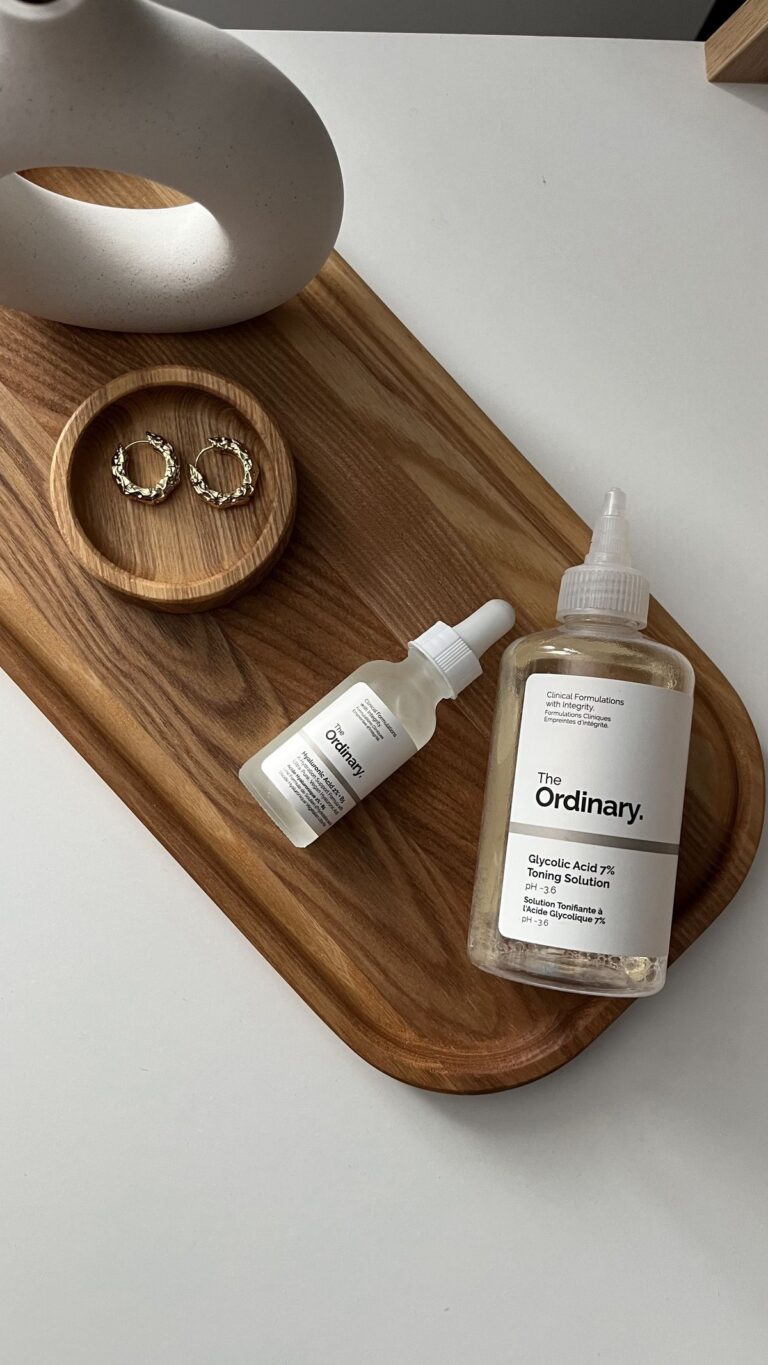
Hyaluronic acid draws moisture into the skin from its environment and the layers beneath the skin’s surface. Applied to slightly damp skin after cleansing, it helps restore moisture levels rapidly—addressing the dehydration that sun exposure causes and creating a more hydrated base for the skin’s overnight processes.
What to avoid in your post-sun serum: Retinol, high-concentration vitamin C (ascorbic acid), AHAs, and BHAs. All of these are valuable ingredients in a regular routine, but on sensitised post-sun skin they can cause irritation, increased redness, and further barrier disruption. Save these for nights when your skin hasn’t had significant UV exposure.
Post-sun skin benefits from a slightly richer moisturiser than your standard daily choice, even if you typically have oily skin. The goal here is occlusion—creating a layer that slows water loss while the barrier repairs underneath.
Look for moisturisers that contain ceramides, which directly replenish the lipid components lost through UV damage. Ingredients like squalane (lightweight and non-comedogenic, suitable for oily skin) and shea butter (richer, better suited to drier skin) provide the occlusive effect without causing congestion for most skin types.
Apply generously and allow it to absorb before moving on. Post-sun skin tends to absorb product faster than usual because of its compromised barrier, so don’t be surprised if skin still feels slightly tight after one application—a second layer is perfectly reasonable on days of high sun exposure.
The skin around the eyes is thinner and more reactive than the rest of the face, and it shows the effects of sun exposure more quickly. Puffiness, dehydration fine lines, and sensitivity around the eyes the morning after sun exposure make concealer application more difficult and less effective.
An eye cream or gel with peptides or caffeine applied the night before helps reduce overnight puffiness and supports the delicate skin barrier in this area. Keeping your eye product in the refrigerator during summer months provides an additional soothing effect when applied to post-sun skin.
After-sun skin repair doesn’t happen overnight in any comprehensive sense—the skin’s barrier takes several days to fully restore after significant UV exposure. Applying SPF the following morning isn’t optional, even if you’re spending the day indoors or expect limited sun exposure. UV radiation penetrates windows and reflects from surfaces, and post-sun skin is more vulnerable to cumulative damage while its barrier is in repair mode.
A mineral SPF (zinc oxide or titanium dioxide) tends to sit more comfortably on sensitised post-sun skin than chemical filters, which occasionally cause a stinging or warming sensation on compromised skin. A lightweight mineral SPF also creates a more stable base for makeup application on sensitive skin.
The difference between properly repaired post-sun skin and skin that hasn’t been addressed overnight is noticeable the moment you start applying makeup.
Skin that has been adequately hydrated and supported overnight is closer to its normal moisture balance. Foundation blends more evenly, doesn’t cling to dry patches, and sits more smoothly against the skin’s surface. Concealer applies without settling into dehydration lines around the eye area. Skin tone is more consistent, which means less base coverage is needed to achieve an even finish.
The inflammatory response from sun exposure also affects how skin responds to product application. When that inflammation has been calmed overnight with appropriate soothing ingredients, skin is less reactive—meaning less redness, less sensitivity to application tools, and better makeup longevity throughout the day.
Oily skin types often experience increased oil production the day after significant sun exposure, as the skin overcompensates for dehydration. An after-sun routine that restores hydration levels properly actually helps regulate this rebound oiliness—meaning better shine control the next day without additional mattifying products.
An after-sun routine doesn’t need to be complicated to be effective. On days with meaningful sun exposure—at the beach, during outdoor events, or simply after more time outside than usual—the routine below covers the essentials:
This takes less than five minutes to apply and creates the conditions your skin needs to repair effectively—showing up the next morning in better condition than if the routine had been skipped.
For your morning routine the day after sun exposure, see our guide to prepping oily skin for summer makeup—the same hydration-first principles apply, with the addition of a mineral SPF before makeup application.
Sun exposure creates a predictable set of skin challenges: dehydration, compromised barrier function, low-grade inflammation, and increased sensitivity. Left unaddressed overnight, these challenges show up directly in makeup application—patchy foundation, settling concealer, and reduced makeup longevity.
The after-sun routine that resolves these issues isn’t complex. It requires the right cleanser, the right hydrating and barrier-supporting ingredients, and the discipline to keep sensitising actives out of the routine for a night or two. What it delivers is skin that’s genuinely repaired and ready—not just surface-level moisturised—which translates directly into makeup that applies better, lasts longer, and requires less effort to achieve a polished result.
Publishing industries for previewing layouts and visual mockups.