






Related Posts



By Siena Brown • May 4, 2026 • 7 mins read


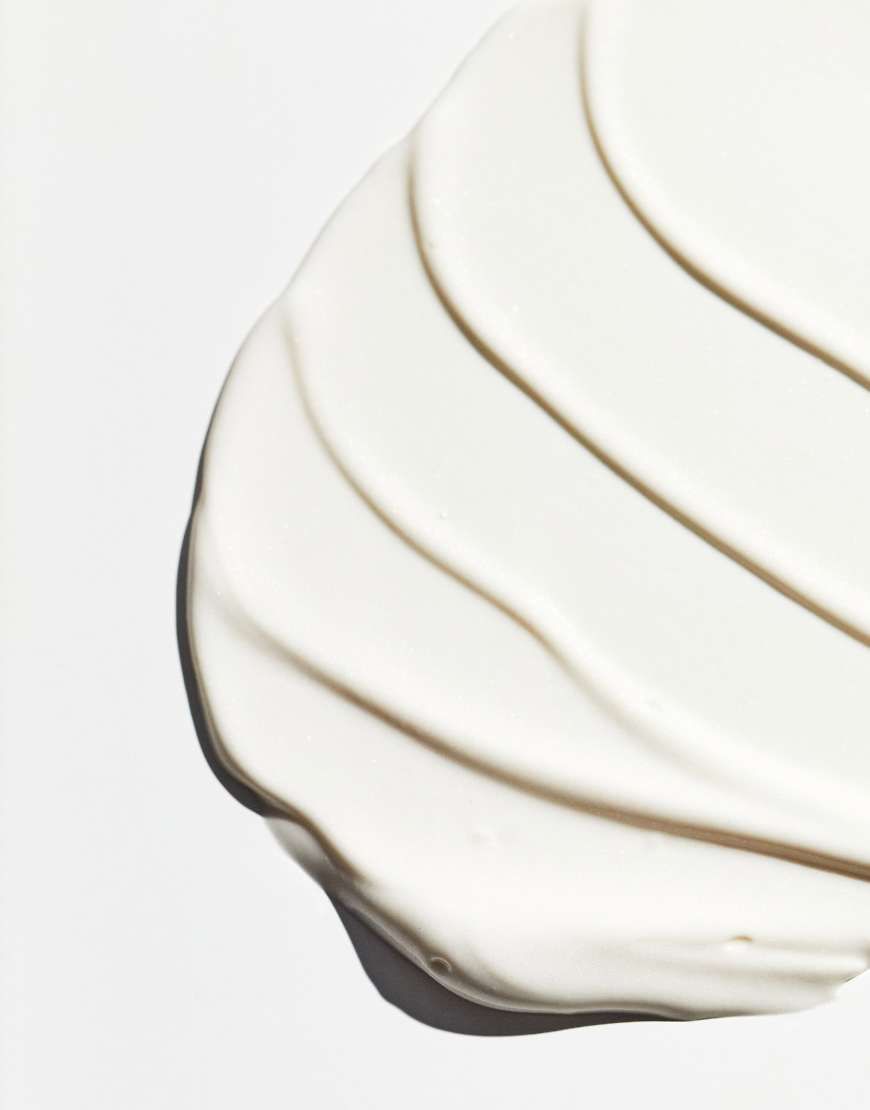
SPF is the step most people either skip entirely or apply so late in the routine that it barely has time to absorb before foundation goes on. But SPF isn’t just sun protection — it’s also the finishing layer of skin prep that determines the surface quality foundation sits on. Get the layering order wrong and makeup pills, shifts, or sits unevenly. Get it right, and everything after it performs better. This article covers why SPF belongs in skin prep and exactly how to layer it before makeup.
Most people treat SPF as the bridge between skincare and makeup — something applied just before foundation almost as an afterthought. But SPF is skincare, and it belongs in the skincare routine, not at the edge of the makeup one.
Applied correctly, SPF is the final step that seals in everything underneath it. It protects the hydration and barrier support that the rest of your routine has built, and it creates a consistent, stable surface for foundation to sit on. When it’s applied too late — rushed on just before makeup — it hasn’t had time to absorb, which means it’s still active on the surface when foundation goes on top. That’s when pilling happens.
The absorption window matters more than most people realise. SPF needs a minimum of five minutes to absorb and settle before anything goes on top of it. In practice, applying SPF at the end of your skincare routine and then doing your hair or getting dressed gives it exactly the time it needs. Foundation applied over a properly settled SPF layer sits more evenly, blends more smoothly, and holds longer.
The formula type affects how SPF behaves under makeup — and choosing the wrong one for your skin type is one of the most common causes of foundation issues.
Chemical SPF absorbs UV rays and converts them to heat. The formulas tend to be lightweight, absorb quickly, and sit invisibly under foundation without adding texture. They’re the easier format to use before makeup for most skin types. The trade-off is that some chemical filters can cause sensitivity in reactive skin, so anyone with a compromised barrier or sensitive skin should patch test before committing.
Mineral SPF uses zinc oxide and titanium dioxide to physically reflect UV rays. The formulas tend to be thicker, take longer to absorb, and can leave a white or grey cast — particularly on deeper skin tones. On darker complexions, an untinted mineral SPF is one of the fastest ways to make foundation look ashy and flat. Tinted mineral formulas reduce the cast significantly and are worth seeking out. For most makeup wearers on deeper skin tones, a well-formulated chemical SPF or a tinted hybrid is the more practical choice.
Hybrid formulas — SPF moisturisers, tinted SPFs, and SPF serums — combine skin prep steps and reduce the number of products needed before foundation. A tinted SPF that provides light coverage alongside protection removes the need for a separate moisturiser and a separate base layer, which simplifies the routine without compromising either the prep or the protection.
Pilling between SPF and foundation is almost always a layering issue rather than a product incompatibility issue.
The most common cause is applying foundation too quickly after SPF. When SPF is still tacky on the surface, foundation drags through it rather than sitting on top of it. The two formulas interact and start to bead and roll. Waiting five minutes solves this in most cases. If pilling persists after five minutes, the issue is usually the application technique.
Pressing product into skin rather than rubbing or sweeping it on reduces pilling at every stage of the routine. With SPF specifically, pressing or patting gently creates a more even, absorbed layer than buffing or dragging. The same applies when foundation goes on over SPF — a damp sponge pressed gently into the skin disturbs the SPF layer less than a brush swept across it.
The texture compatibility between SPF and foundation matters too. Silicone-heavy SPFs and water-based foundations often don’t layer cleanly together — the silicones repel the water-based formula and cause pilling. Matching formula bases reduces this: water-based SPF under water-based foundation, silicone-based SPF under silicone-based foundation. If you’re not sure what your products contain, patch testing the combination on your hand before wearing it to your face saves time.
The four-step skin prep routine is the same for every skin type. The SPF formula choice within that routine is where personalisation matters.
Oily skin benefits most from gel or fluid SPF formulas that absorb without adding oil or creating a slippery surface that breaks down foundation faster. Matte-finish SPFs designed for oily skin tend to control shine rather than amplify it and extend foundation wear time rather than shortening it. Avoid SPFs with heavy emollients or oils that sit on top of oily skin and disrupt the base.
Dry skin needs an SPF that doubles as moisture. A cream or lotion SPF with hydrating ingredients — hyaluronic acid, glycerin, ceramides — provides sun protection alongside the moisture that dry skin needs in the final prep step. This replaces the need for a separate heavy moisturiser before SPF, which simplifies the routine and reduces the risk of over-layering that causes pilling.
Sensitive skin needs the shortest ingredient list. Fragrance-free, reef-safe mineral formulas or gentle chemical SPFs without alcohol are the safest starting point. If the skin is particularly reactive, a tinted mineral SPF applied gently with fingers is often the most tolerable format before makeup.
For deeper skin tones, white cast is the primary consideration. A tinted mineral SPF, a fluid chemical SPF, or a tinted moisturiser with SPF built in gives full protection without the grey or ashy cast that untinted mineral formulas leave. The SPF level should still be SPF 30 minimum — tinted formulas provide the same protection as untinted ones when the SPF rating is equivalent.
Foundation with SPF 15, setting powder with SPF 20, and tinted moisturiser with SPF 30 are all common. Whether they provide meaningful sun protection is a different question.
The honest answer is that SPF in makeup rarely reaches the protection level stated on the label during normal wear. The amount of foundation required to achieve SPF 30 protection is significantly more than most people apply — roughly three times the typical application amount. Setting powder with SPF barely registers as meaningful protection in any amount. These products are not a substitute for a dedicated SPF step.
What SPF in makeup is genuinely useful for is top-up protection throughout the day. A powder with SPF used to set or refresh makeup midday adds a layer of protection that extends what the morning SPF is doing. Used as an addition rather than a replacement, it earns its place.
The layering approach that works: dedicated SPF as the final skincare step, applied to a fully prepped face with time to absorb before foundation. SPF in makeup as a supporting tool for top-ups. Both working together give skin reliable, consistent protection without compromising how foundation applies or holds.
For the full morning skin prep routine that this sits within: [The Morning Skincare Routine for Flawless All-Day Makeup]. And for the skin prep step that comes before SPF: [What Skipping Skin Prep Does to Your Makeup].
Publishing industries for previewing layouts and visual mockups.