








Related Posts




By Aliyah Ray • March 9, 2026 • 8 mins read



Products featured on Ntrl Look are chosen independently by our editorial team. When you shop through our affiliate links, we may receive a commission at no extra cost to you.
Vitamin C, when used correctly, can brighten skin tone over time, target uneven pigmentation, and create the kind of natural radiance that makes foundation look like skin rather than coverage. Used incorrectly, with the wrong formula or without allowing absorption, it causes pilling, irritation, and a compromised skin surface that makes makeup perform worse.
This article will cover everything topical vitamin C actually does, which formats work best before makeup, and how to add it into your morning routine without disrupting everything that goes on top.
Vitamin C works in two ways that directly impact your makeup’s performance. The first thing is brightening. Vitamin C may help improve the appearance of uneven pigmentation, dark spots and post-inflammatory pigmentation over time (Pubmed). The second is collagen synthesis, which consistently supports the skin’s collagen production, which improves firmness and texture in ways that affect how foundation sits and blends out.
Both of these take time, but Vitamin C is a long-game ingredient. Visible improvement generally requires consistent use over time; avoid giving a universal timeline unless the cited studies support it (Pubmed). Skin texture improvements follow a similar timeline. If your initial expectation is immediate results, then vitamin C will disappoint. If the expectation is gradual improvement that shows up in the amount of corrective makeup needed over time, it consistently delivers.
The antioxidant protection is worth mentioning, too. Vitamin C neutralises free radicals generated by UV exposure and pollution throughout the day, including under makeup. That protection supports the skin barrier in a way that compounds with the brightening and collagen benefits over time.
High-concentration L-ascorbic acid is the most potent and most researched form of vitamin C. It’s also the most likely to cause problems in a makeup-day morning routine. The issue is pH. L-ascorbic acid needs to be formulated below pH 3.5 to effectively penetrate skin. When it’s applied before products with a higher pH, most moisturisers, SPF, and foundation formulas, the interaction can cause pilling, separation, and a disrupted surface that foundation won’t sit on cleanly.
Oxidation is the other issue. Vitamin C serums oxidise when exposed to air and light, turning from clear or pale yellow to a deeper orange. An oxidised serum doesn’t just lose its efficacy. It can leave a faint orange tint on the skin, affecting how the foundation looks, particularly on lighter skin tones. A serum that’s changed colour significantly is past its useful window.
The absorption wait matters more with vitamin C than almost any other serum. Applying moisturiser or SPF immediately after vitamin C doesn’t give the pH time to normalise. That’s what causes the pilling that gets incorrectly blamed on the moisturiser or foundation. Two to three minutes after application is enough. Rushing that step is one of the most common morning routine mistakes for makeup wearers using active serums.
Not all vitamin C is L-ascorbic acid. For makeup wearers specifically, some of the more stable derivative forms perform better in a morning routine.
L-ascorbic acid is the most potent and the most studied. It works at concentrations of 10-20% and delivers the most significant brightening results over time. But it requires careful layering, a short wait time, and a stable formula. It’s also the most likely to cause pilling and irritation on a sensitised or compromised barrier. For makeup wearers with resilient skin and a streamlined routine, it’s worth the management. For those with sensitive or reactive skin, the derivatives are a more practical choice.
Ascorbyl glucoside and sodium ascorbyl phosphate are stable water-soluble derivatives that don’t carry the same pH complications. They’re gentler, less likely to cause irritation, and absorb more cleanly before the next routine step. The trade off is potency. Results take longer, but for daily makeup wearers who want brightening without disruption, that trade off is usually worth it.
Tetrahexyldecyl ascorbate is the oil-soluble form. For sensitive skin specifically, it’s often the most compatible option. It penetrates without the pH conflict that causes pilling, leaves a smooth surface for the next routine step, and delivers results that rival L-ascorbic acid in many respects, with better stability and tolerability, particularly for sensitive skin. It’s also more stable than most water-soluble forms, which means the formula stays effective for longer.
Vitamin C in a moisturiser or SPF hybrid is the lowest-maintenance option. The concentration is lower, but for daily use, the cumulative benefit is real. There’s nothing additional to layer or wait for. For makeup wearers who want long-term skin improvement without adding a step, this is the most practical entry point.
Where vitamin C sits in the routine is straightforward: after toner, before moisturiser. The order within that window matters, though. A few specific layering decisions affect whether the serum performs well or causes problems.
Apply vitamin C to clean, dry skin after toning. Wait two to three minutes before applying the next product. This isn’t overthinking it. It’s the window the formula needs to absorb and for the pH to normalise. Skip the wait, and the next product is landing on a surface that isn’t ready for it.
The niacinamide question comes up consistently. The concern that vitamin C and niacinamide can’t be layered together is based on outdated research from the 1960s, where scientists tested pure forms of both ingredients at extremely high temperatures. Those conditions don’t reflect how products are used at home. In practice, a vitamin C serum followed by a niacinamide moisturiser is safe and commonly recommended. Combining them can actually enhance their individual benefits.
SPF is the non-negotiable follow-up. Vitamin C supports UV protection but doesn’t replace it. Without SPF on top, the brightening work that vitamin C is doing gets undone by the UV damage it can’t fully neutralise alone. The two work best together, and neither replaces the other.
For skin types that find vitamin C causes consistent irritation in the morning, or for those using retinoids at night, switching vitamin C to the PM routine is a practical alternative. Skin still gets the cumulative benefit, and the morning routine has one less active to manage before makeup goes on.
This is the part that makes the long-game investment worth it for makeup wearers specifically.
Even skin tone reduces the amount of corrective makeup needed. Dark spots and post-inflammatory marks require concealer, colour correction, or heavier foundation coverage to address. Over time, consistent vitamin C use reduces the prominence of those marks. Less to correct means lighter coverage. Lighter coverage means makeup that looks more like skin.
The radiance effect changes how colour products read. Brighter, more luminous skin makes blush look more natural, highlighter look more intentional, and foundation look less like a product and more like a complexion. That’s not something that can be achieved with makeup technique alone. It requires the skin underneath to have a certain quality of light interaction that vitamin C supports over time.
The texture improvement is another visible benefit. Vitamin C may help support collagen production and improve the appearance of skin texture and firmness (Pubmed).
The realistic timeline is eight to twelve weeks. That’s when most people notice the first visible changes: a slightly more even tone, a reduction in the dullness that makes foundation look flat. The full benefit takes longer. But the makeup performance improvements that come with it are cumulative and lasting in a way that no foundation formula or setting product can replicate.
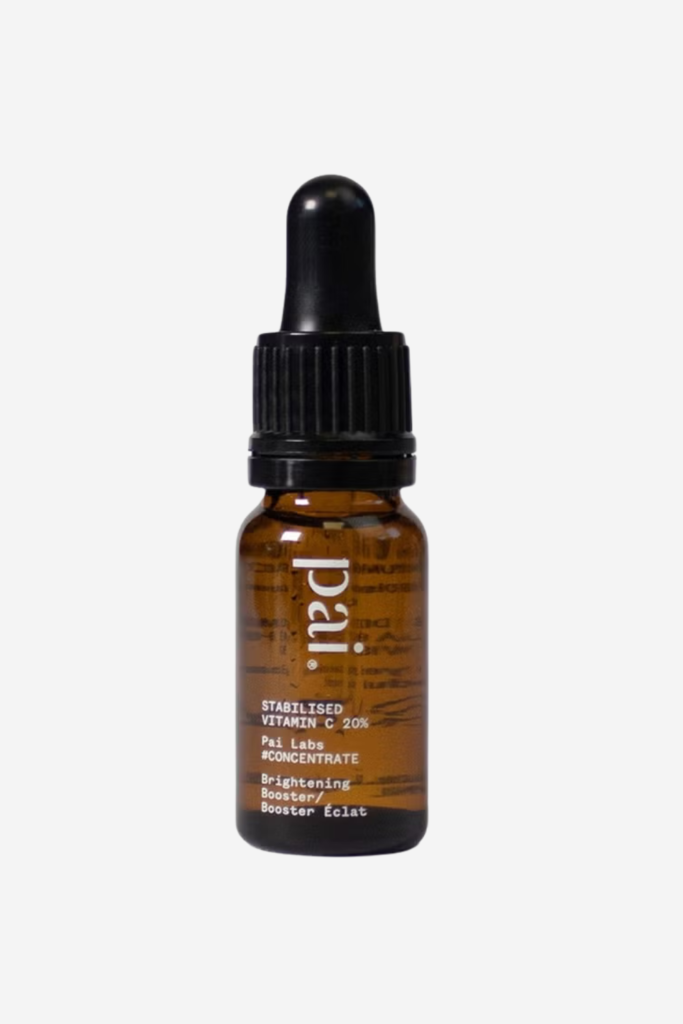
Pai Skincare Stabilised Vitamin C 20% Brightening Booster
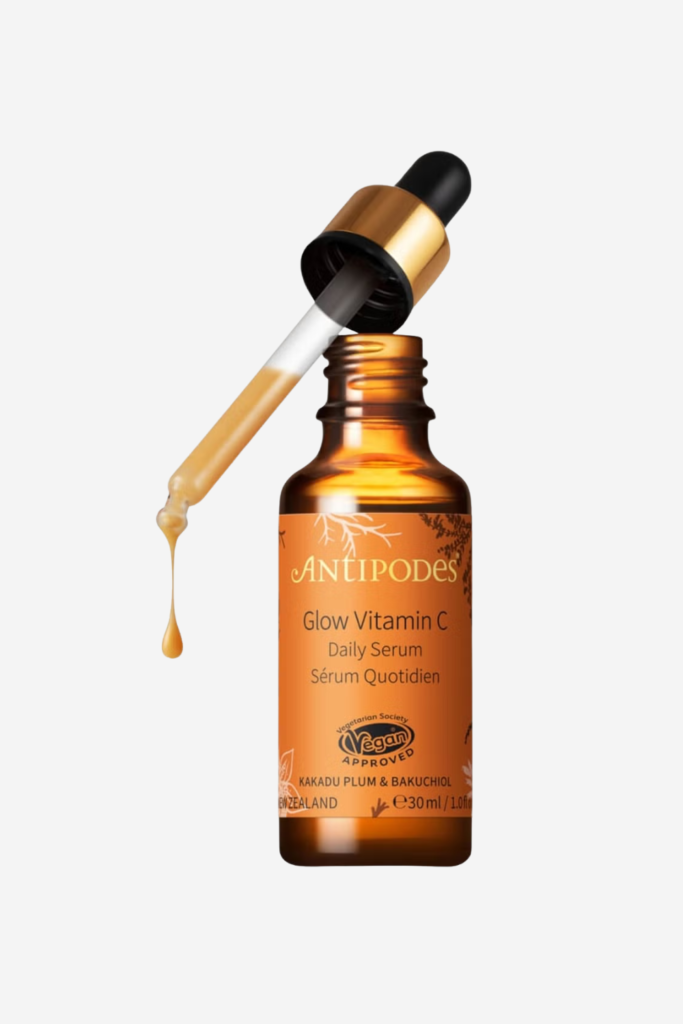
Antipodes Glow Ritual Vitamin C Serum
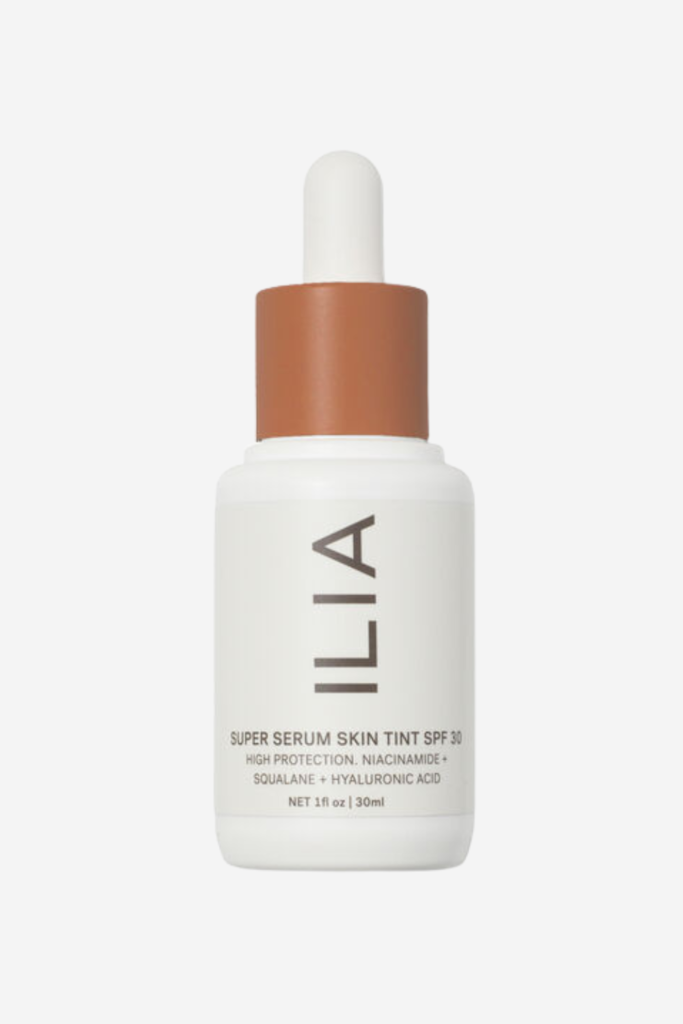
ILIA Super Serum Skin Tint SPF 40
Vitamin C is worth the effort, but only when it’s used in a way that works with the rest of the routine rather than against it. The right format, applied in the right order with enough absorption time, delivers cumulative skin improvements that show up directly in how makeup looks and wears over time.
Brighter, more even skin needs less corrective coverage. It gives colour products a better surface to land on. And it creates the kind of natural radiance that makes a lighter base look intentional rather than underdone.
The results take time, but so does everything that actually works. For the full morning routine to build this into: [The Morning Skincare Routine for Flawless All-Day Makeup]. And for the serum step that works alongside vitamin C: [Best Hyaluronic Acid Serums for Makeup Wearers].
Publishing industries for previewing layouts and visual mockups.