









Related Posts





By Siena Brown • March 18, 2026 • 9 mins read



Oily skin and daily foundation wear are actually a great combination to work with — once your routine is doing the right things. The right steps genuinely change how your makeup applies and how long it holds, and a few wrong ones can undermine even the best base.
This guide covers the routine that gives oily skin the best possible canvas for makeup, with each step chosen for what it actually does under a foundation, not just on bare skin.
Here’s the thing about oily skin — the amount of sebum your skin produces isn’t fixed. It responds to what your barrier is experiencing. When your skin barrier is stripped through over-cleansing, harsh actives or irritating products, your skin may feel drier or more uncomfortable, and some people may notice increased oiliness. It’s your skin trying to restore what your routine keeps taking away. This is why aggressive oily skin routines often make things worse over time, not better.
It gets a little more complicated if your skin is dehydrated too. Oily and dehydrated can happen at the same time. When your barrier is disrupted, your skin loses water through the surface while the sebaceous glands keep overproducing oil. Foundation on dehydrated oily skin behaves unpredictably — too oily in some areas, patchy and dry in others, breaking down in ways that neither a mattifying product nor a hydrating one fully fixes.
The most effective long-term strategy is barrier support. A routine that protects and repairs your barrier gradually normalises oil production over weeks and months. Your skin stops overcompensating because it has what it needs. The foundation sits more evenly, midday breakthroughs reduce, and you need less intervention throughout the day.
Double cleansing can be useful for removing makeup and sunscreen, but it is not necessary for everyone. A single cleanse leaves too much residue behind. Two cleanses, each doing a different job, get your skin genuinely clean without the stripping that triggers rebound oiliness.
Start with an oil or balm cleanser — counter-intuitive for oily skin, but it works. Oil dissolves oil. An oil cleanser removes foundation, SPF, and excess sebum more completely than a water-based formula alone. Apply it to dry skin, massage for 60 seconds, emulsify with water, then rinse. It doesn’t leave oil behind. It removes it.
Follow with a gel or low-foaming formula suited to oily skin. This clears what the first cleanse loosened and prepares your skin for everything that comes next. It should feel clean and comfortable afterwards — not tight, not squeaky. If your skin feels tight after cleansing, the formula is too stripping.
In the morning, a full double cleanse usually isn’t necessary. Your skin accumulates far less overnight than it does during a full day of makeup and pollution. A gentle gel cleanser or micellar water is enough. Over-cleansing in the morning just disrupts your barrier before you’ve given it anything to work with.
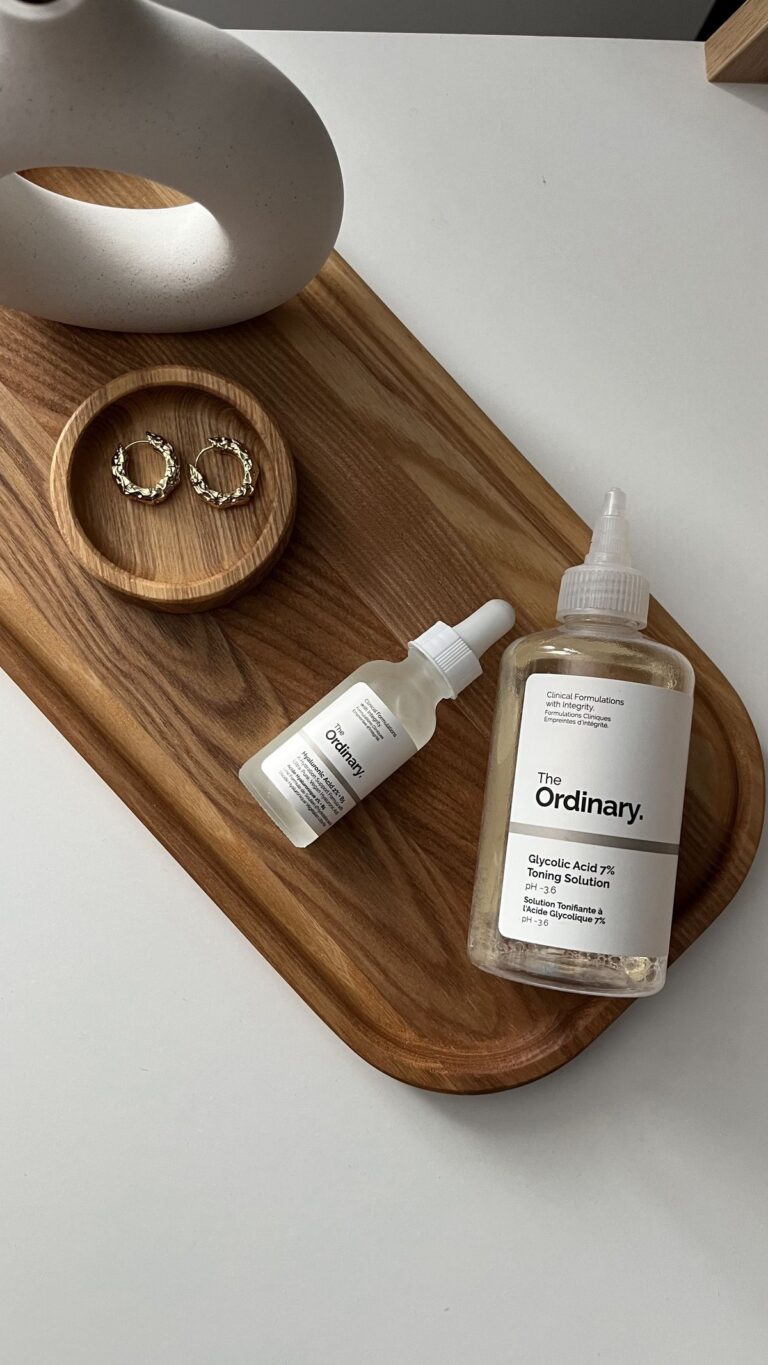
Toner has two jobs here: re-balancing your skin’s pH after cleansing and delivering the first layer of oil-regulating ingredients before your serum goes on.
For oily skin that wears foundation daily, a niacinamide toner is the most useful option. A clinical trial found topical 2% niacinamide reduced some measures of facial sebum, with results varying by population and measure (Pubmed). Applied after cleansing and before your serum, it also helps your skin absorb the next step more effectively.
One thing to avoid: toners with alcohol denat high in the ingredient list. Alcohol gives you an immediate mattifying effect, but it strips your barrier in the process, which triggers exactly the rebound oiliness that makes foundation break down by midday. That initial tightening feeling isn’t your barrier working. It’s your barrier being disrupted.
How you apply it matters too. Patting toner in with clean hands rather than a cotton pad increases absorption and avoids any dragging friction on skin that’s already dealing with daily makeup wear.
Yes, oily skin needs a serum before makeup. The question is which one — and how much.
One serum is the right call before foundation. Multiple serums add product load to a surface that’s already managing excess oil. One well-chosen serum that does the most useful work beats three layered on top of each other, competing for absorption.
For oily skin, a niacinamide serum or a lightweight hyaluronic acid serum are the two most practical choices. Niacinamide addresses oil regulation directly. Hyaluronic acid addresses the dehydration that a lot of oily skin types are dealing with at the same time. Neither adds weight to your skin surface, neither interferes with foundation, and both improve the canvas your makeup sits on over time.
What doesn’t belong in your morning serum step before makeup: facial oils, heavy silicone-based serums that don’t fully absorb, and high-concentration actives like retinol or strong vitamin C that cause pilling under foundation. Save those for your evening routine.
Skipping moisturiser before makeup is one of the most counterproductive things you can do for oily skin. When your skin doesn’t get enough moisture, it produces more oil to compensate. By midday, your foundation is sitting on a surface that’s been overproducing sebum since your morning routine ended.
What you’re looking for is lightweight but not thin. A gel-cream or fluid formula that absorbs fully, leaves no surface residue, and completes the barrier work your serum started. Oil-free formulas work well, but the more useful term is non-comedogenic — ingredients that won’t congest pores regardless of whether they contain any oil.
Press your moisturiser into your skin with your palms rather than rubbing it in. It reduces friction and gives you a more even absorption, which matters when you’re about to apply foundation on top.
Then give your moisturiser a little time to settle before going in with foundation. This can help create a smoother base and may reduce the chance of foundation slipping, separating or pilling. There’s no universal wait time — let the finish of your skincare guide you.
SPF is the step most likely to get skipped on oily skin — and the one with the most long-term impact on the exact problem you’re trying to manage. UV damage degrades your skin barrier over time and increases sebum production as a result. Daily SPF is one of the most effective long-term strategies for reducing oiliness, not just for sun protection.
Formula choice is everything here. Thick, cream-heavy mineral SPF formulas sit on oily skin rather than absorbing into it. They create a slippery base for foundation, increase midday oil breakthrough, and are usually behind the white cast and pilling that puts oily skin wearers off SPF entirely.
Fluid, serum, and gel SPF formulas absorb cleanly and leave minimal residue. Chemical SPF absorbs into skin and layers more seamlessly under foundation than mineral. For oily skin in the morning, it’s the more practical choice. Let it absorb fully before you apply foundation — the two minutes it takes is worth it.
A solid skincare routine actually reduces how much you need primer. When your barrier is supported, and your skin is properly hydrated before foundation, the oil breakthrough that primer is usually brought in to fix is already less of a problem. It’s worth knowing that before reaching for it automatically.
That said, primer does have a place — particularly in warmer months or on high-activity days. A pore-minimising primer creates a smoother surface for foundation to grip. A mattifying primer manages oil through the T-zone specifically. These are different products with different jobs, so choosing based on what your skin is actually doing works better than defaulting to the same formula every time.
For most oily skin types, targeted application outperforms all-over primer. Applying it across your whole face just adds another layer for your makeup to sit on top of. Used only where oil breakthrough is a consistent issue — usually the T-zone — it does its job without adding unnecessary weight everywhere else.
The morning routine doesn’t exist in isolation. How oily skin behaves the next makeup day is largely determined by What you do the night before matters as much as your morning routine — arguably more.
Step 1: Double cleanse. A full day of foundation, SPF, and sebum needs to come off completely before your skin can do anything useful overnight. A single cleanse usually doesn’t cut it. Incomplete removal is one of the most consistent causes of congestion and breakouts in oily skin that wears foundation daily.
Step 2: Niacinamide serum. This continues the sebum regulation work your morning serum started. Keeping it in both routines is what makes the difference over time.
Step 3: Salicylic acid (2–3 nights a week). Works inside pores to manage congestion without the stripping that daytime acid use can cause. Keep it to two or three nights — that’s enough.
Step 4: Retinoid (alternate nights with salicylic acid). Introduce gradually. Over time, retinoids improve skin texture and pore appearance in ways that mean less corrective coverage in the morning.
Step 5: Moisturiser — slightly richer than your daytime one. This is the step that surprises most oily skin types. A slightly richer moisturiser at night supports better barrier repair overnight — and that actually normalises oil production by morning. It doesn’t make skin oilier. It does the opposite.
Oily skin under foundation is manageable — it just needs the right routine behind it. When your barrier is supported, your skin stops working against your makeup and starts working with it. That’s when you notice foundation lasting longer, less midday breakthrough, and less time spent fixing things throughout the day.
For the actives side of this routine, [How to Layer Actives Without Destroying Your Skin] covers exactly how to build that in. And when your skin is ready, [How to Apply Foundation for a Flawless, Skin-Like Finish] covers the application technique that works best on well-prepared oily skin.
Publishing industries for previewing layouts and visual mockups.