









Related Posts


By Candace Lee • October 17, 2025 • 7 mins read



Here’s a fascinating fact: skin regenerates and repairs itself up to three times faster at night than during the day! While sleeping, the body goes into restoration mode, making the night skincare routine the most critical window for achieving that coveted, radiant, glowing complexion. Yet countless people are missing out on this golden opportunity by skipping essential steps or using the wrong products before bed—steps that should be part of a strategic evening beauty routine.
The difference between dull, tired-looking skin and a luminous, healthy glow often comes down to what happens during those precious nighttime hours. This isn’t just about removing makeup—it’s about creating the optimal environment for cellular renewal, collagen production, and deep hydration through intentional nighttime skincare steps that translate to visible radiance come morning.
This comprehensive guide reveals the dermatologist-approved 8-step nighttime beauty routine that targets every aspect of skin health, from deep cleansing to overnight treatments that work while the body rests. Whether dealing with dullness, fine lines, uneven texture, or simply wanting to maintain that youthful glow, this routine delivers transformative results. Get ready to discover why nighttime is truly when the magic happens for skin!
Double cleansing removes everything from the day. Start with an oil-based cleanser to break down makeup, sunscreen, and excess oil. Massage it gently onto dry skin, then rinse. Follow with a water-based cleanser to clean out pores. This two-step process ensures skin is spotless without being stripped. Oil cleansers come in balms, oils, or micellar waters, depending on preference.
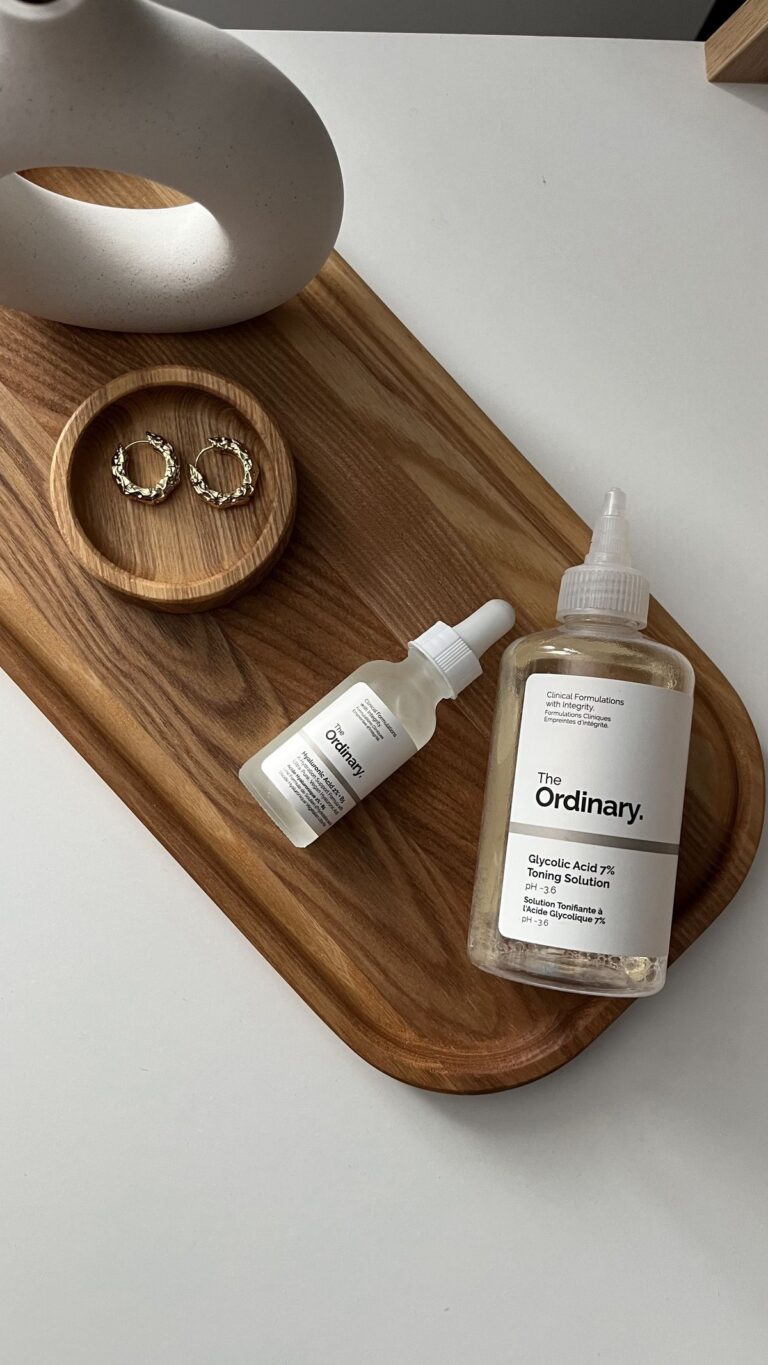
Exfoliating removes dead skin cells that make skin look dull. Chemical exfoliants work better than scrubs for most people. AHAs like glycolic acid brighten the surface, while BHAs like salicylic acid clean deep in pores. Only exfoliate 2–3 times per week—more than that can damage the skin barrier and cause redness. Gentle exfoliation sets the stage for smoother nighttime skin prep.
Toners balance the skin’s pH and help the next products absorb better. Look for niacinamide or fermented extracts for radiance. Pat it into the skin with your hands rather than rubbing with a cotton pad. Hydrating toners work every night, while exfoliating toners should only be used occasionally. This remains a key part of gentle nighttime skincare.
Nighttime is when skin repairs itself, making it perfect for powerful ingredients. Vitamin C brightens, retinol routine steps fight ageing and boost glow, and hyaluronic acid hydrates deeply. Layer serums from thinnest to thickest consistency. Don’t mix retinol with vitamin C or AHAs—alternate nights instead to avoid irritation. These targeted nighttime serums are central to an effective nighttime facial care and anti-aging night routine.
The eye area has thinner skin that needs special care. Use products with retinol, peptides, or caffeine at night. Apply by gently tapping around the orbital bone—never pull or tug. Eye creams help with dark circles, puffiness, and fine lines while sleeping and support repairing skin barrier at night.
Facial oils provide extra nourishment and help skin barrier repair. Rosehip, squalane, and jojoba work for most skin types. Apply after serums but before moisturiser, or mix a few drops into moisturiser. Skip this step if skin is very oily or acne-prone.
Night creams are richer than day moisturisers because skin loses more water at night. Look for ceramides, peptides, and antioxidants. Hydrating night cream formulas and nighttime moisturizer options add an occlusive layer that locks everything in.
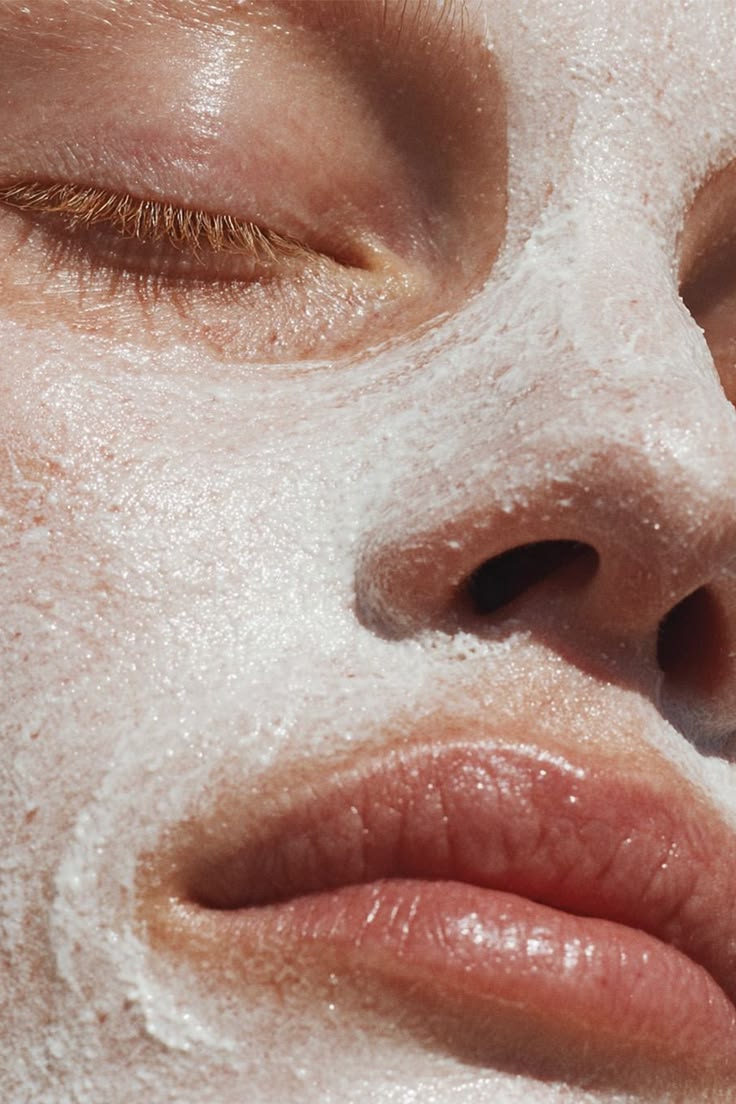
Sleeping masks add an extra layer that boosts results. Use a generous amount, but not so much that it transfers onto the pillowcase. This step is essential for a nighttime glow routine and a soothing beauty sleep routine.
Don’t forget the extras. Apply spot treatments directly on blemishes. Use overnight lip masks for soft lips. Extend care to the neck and chest—they show ageing, too. Consider a silk pillowcase to reduce friction and a humidifier to add moisture to the air while sleeping.
Consistency matters more than perfection. Stick with this routine for at least 4–6 weeks to see real results. These overnight treatments round out a complete nighttime routine for acne-prone skin and a truly dermatologist-approved night routine.
A dedicated night skincare routine for glowing skin is the single most powerful tool for achieving and maintaining a radiant, healthy complexion. While the body rests, skin works overtime to repair, regenerate, and renew itself—making every product applied during these hours significantly more effective than daytime applications. This is the essence of a strategic sleep skincare routine and a transformative nighttime ritual for glowing skin.
By consistently following these eight essential steps, skin receives the deep nourishment, targeted treatments, and intensive hydration needed to wake up looking luminous and refreshed.A dedicated nighttime beauty routine for glowing skin is the single most powerful tool for achieving and maintaining a radiant, healthy complexion.
While the body rests, skin works overtime to repair, regenerate, and renew itself—making every product applied during these hours significantly more effective than daytime applications. By consistently following these eight essential steps, skin receives the deep nourishment, targeted treatments, and intensive hydration needed to wake up looking luminous and refreshed.
Cleanse, tone, apply targeted serums, moisturize, then finish with any overnight treatments. Always layer products from thinnest to thickest.
Apply a nourishing moisturizer or sleeping mask after your serums to lock in hydration. Choose products that repair and restore overnight.
Yes—nighttime is when your skin repairs itself, so richer and more active formulas work best. Your PM routine focuses on renewal, not protection.
Yes, retinol is most effective and less irritating when used at night. Start slowly to build tolerance.
Absolutely—your skin loses more moisture while you sleep. A night cream keeps the barrier supported and prevents overnight dehydration.
Double cleanse, apply exfoliating or brightening serums, then layer a hydrating night cream. Consistency is what creates long-term glow.
Yes, vitamin C works well at night if you prefer it in your PM routine. Just avoid using it alongside retinol or strong acids.
Most people do 5–8 steps depending on their skin’s needs. The essentials are cleansing, serum, and moisturizer.
Publishing industries for previewing layouts and visual mockups.