



Related Posts


By Aliyah Ray • March 6, 2026 • 6 mins read


There’s a specific kind of frustration that comes with the spring makeup transition. The foundation that looked flawless in January starts looking heavy by March. Powder that sets everything perfectly is now emphasising texture. Skin that cooperated all winter is suddenly oilier, shinier, and less interested in holding a base for more than a few hours.
It’s not that your technique has changed, but that your skin may respond differently as the season shifts. Warmer temperatures can influence sebum production, while humidity can affect how products feel and wear on the skin (Pubmed). Skin that felt drier in winter may also feel more balanced — or more oily — as conditions change. The makeup products that worked well in winter may not automatically work as well in warmer weather.
This guide covers how to make the transition intentionally, which formulas to switch out, which techniques to adjust, and how to build a spring base that looks like skin rather than coverage when temperatures start to rise.
Warmer temperatures can influence sebum production, although the effect varies by individual and environment. The sebaceous glands respond to heat by producing more oil, which is why skin that behaved well all winter suddenly needs blotting by midday. This isn’t a skin problem that needs fixing. It’s a physiological response to a change in environment, and the makeup routine needs to account for it.
Higher humidity can change how some makeup formulas feel and wear; our recommendations are based on formulation and wear considerations. In dry winter air, heavier formulas absorb into skin more quickly. As humidity rises, that same formula has nowhere to go and sits on the surface, breaking down faster. Products that felt comfortable in January can feel suffocating by April.
Also, your skin barrier is in transition. Seasonal shifts can trigger temporary reactivity with the skin behaving differently to products it’s used all year. This isn’t unusual. It does mean that a gradual transition works better than switching everything at once. Change one product at a time. That way, you can actually tell what’s working.
Full coverage foundation earns its place in the right conditions. Warmer weather, generally, isn’t those conditions.
The problem with heavy coverage in heat isn’t the coverage itself but the formula weight. Thick foundations sit on top of the skin rather than blending into it. In warmth, that distinction becomes very visible very quickly. The product moves, separates, and by midday looks more like coverage than skin. That’s not a setting powder problem. It’s a formula mismatch.
The spring switch is toward serum foundations, skin tints, and medium-coverage fluid formulas. These move with skin rather than sit on it, which is exactly why they hold better when it’s warm and humid. For makeup wearers who rely on coverage, the adjustment is strategic layering: a lighter base everywhere, then a more concentrated application only where it’s needed.
Finish matters too. We generally prefer satin or natural finishes in warmer weather because they can look less flat as wear progresses, which can look flat and settle into texture as the day progresses. A damp sponge remains the best tool here — roll rather than press to avoid moving product off areas where it’s sitting well.
The skincare routine that supported a heavy winter base often works against a lighter spring one. In warmer weather, that means skincare gets lighter first.
The most common culprit is the moisturiser. Rich creams that were exactly right for a dry winter barrier can sit heavily under foundation as temperatures rise. They create a slightly slippery surface that makes lighter formulas move rather than set. The spring swap is toward gel-creams, fluid moisturisers, and lotion textures that absorb fully and leave a clean surface for makeup to adhere to. For oily skin, a lightweight gel with oil-controlling ingredients handles the increased sebum without adding anything on top.
SPF becomes non-negotiable in spring, and the formula choice matters more than most people account for. UV exposure increases significantly as the season changes. Heavier mineral SPF formulas that were manageable in winter can cause pilling and a white cast under lighter spring coverage. Switching to a fluid chemical SPF or a hybrid SPF-moisturiser reduces the number of layers and gives a lighter foundation less to compete with.
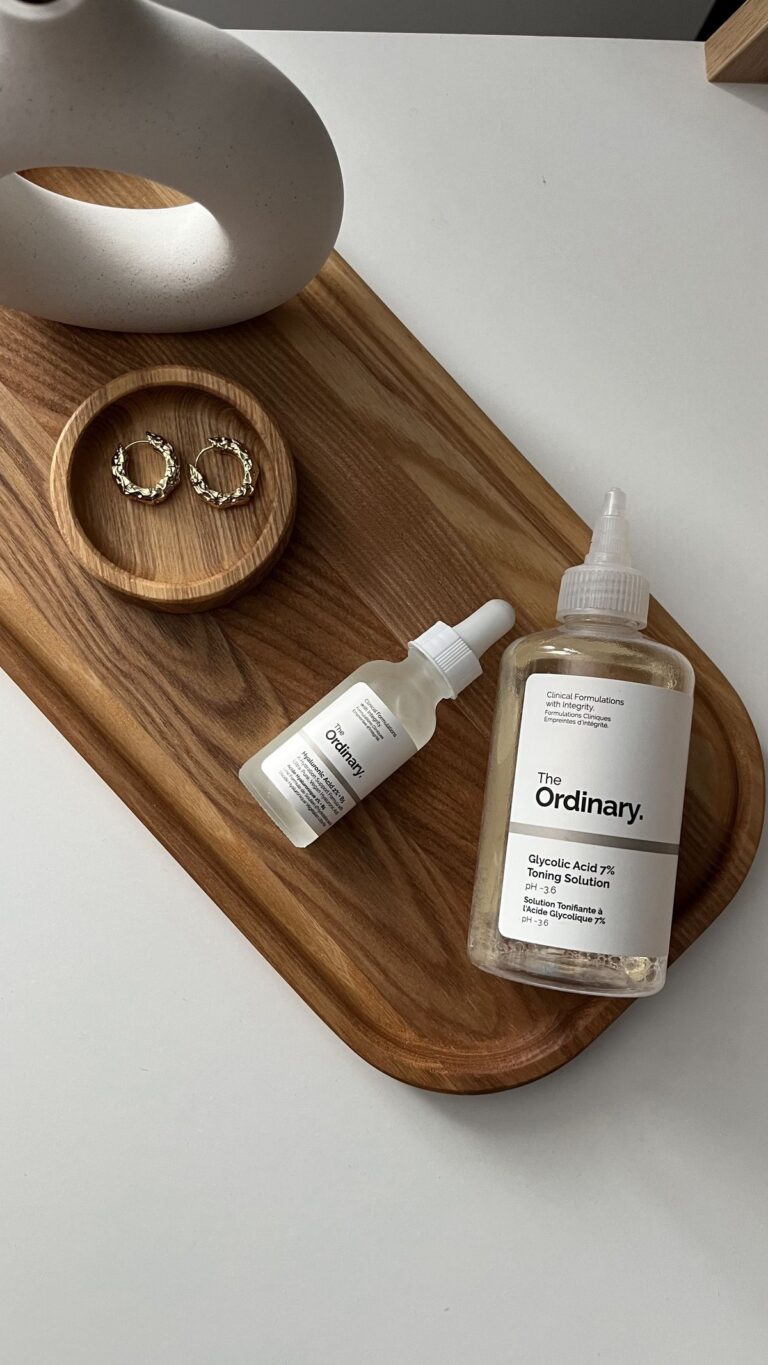
The hyaluronic acid serum step becomes more important in spring, not less. Air conditioning, central heating, and higher temperatures all dehydrate skin at the same time. A lightweight HA serum applied to damp skin before moisturiser maintains the hydration that lighter formulas need to sit smoothly and last throughout the day.
Concealer follows the same logic as foundation — lighter formula, less product, built in thin layers. For the under-eye area, press rather than drag, and build only where genuinely needed.
For eyes, spring is usually when eye primer earns its place back in the routine. Heat increases oil production around the eye area, and primer is the simplest fix for makeup that migrates without any change in technique. Tubing mascaras are worth switching to — they resist humidity in a way traditional formulas don’t.
And on setting, reach for blotting papers over powder when oil breaks through. They remove without adding, which keeps the base intact. Follow with setting spray rather than a heavy powder finish — it holds better in warmth and won’t emphasise texture.
The spring makeup transition isn’t about buying new products. It’s about understanding why your current ones are behaving differently and adjusting accordingly. Warmer temperatures change sebum production, humidity changes how products sit, and skin that performed one way in winter will perform differently now. Working with those changes rather than against them is what creates a base that actually looks like skin when it’s warm.
Lighter formulas, more strategic settings, and a skincare routine that supports rather than competes with makeup — that’s the seasonal adjustment professional makeup artists make every year. And the results show up in how the finish holds and how natural it looks throughout the day.
Before any of it works at its best, though, the prep has to be right — especially as SPF becomes non-negotiable in spring. Here’s the full morning routine to build on: [The Morning Skincare Routine for Flawless All-Day Makeup].
Publishing industries for previewing layouts and visual mockups.