


Related Posts


By Siena Brown • June 30, 2026 • 6 mins read


Foundation that looks flawless in your bathroom mirror can slide, oxidise, or separate within hours once summer heat and humidity enter the picture — and it’s rarely the product’s fault. Rising temperatures increase oil production, sweat interferes with product grip, and skin prep that worked fine in winter often can’t keep up with a humid base makeup routine.
Professional makeup artists adjust their entire approach for the season, not just the shade. These are the most common summer makeup mistakes affecting your base, and the technique fixes that keep foundation looking skin-like through heat, humidity, and everything else summer throws at it.
Standard moisturiser alone often isn’t enough once oil production rises with heat. Skin that felt balanced in cooler months can start producing noticeably more oil by midday, and that shift changes how foundation behaves before it’s even applied.
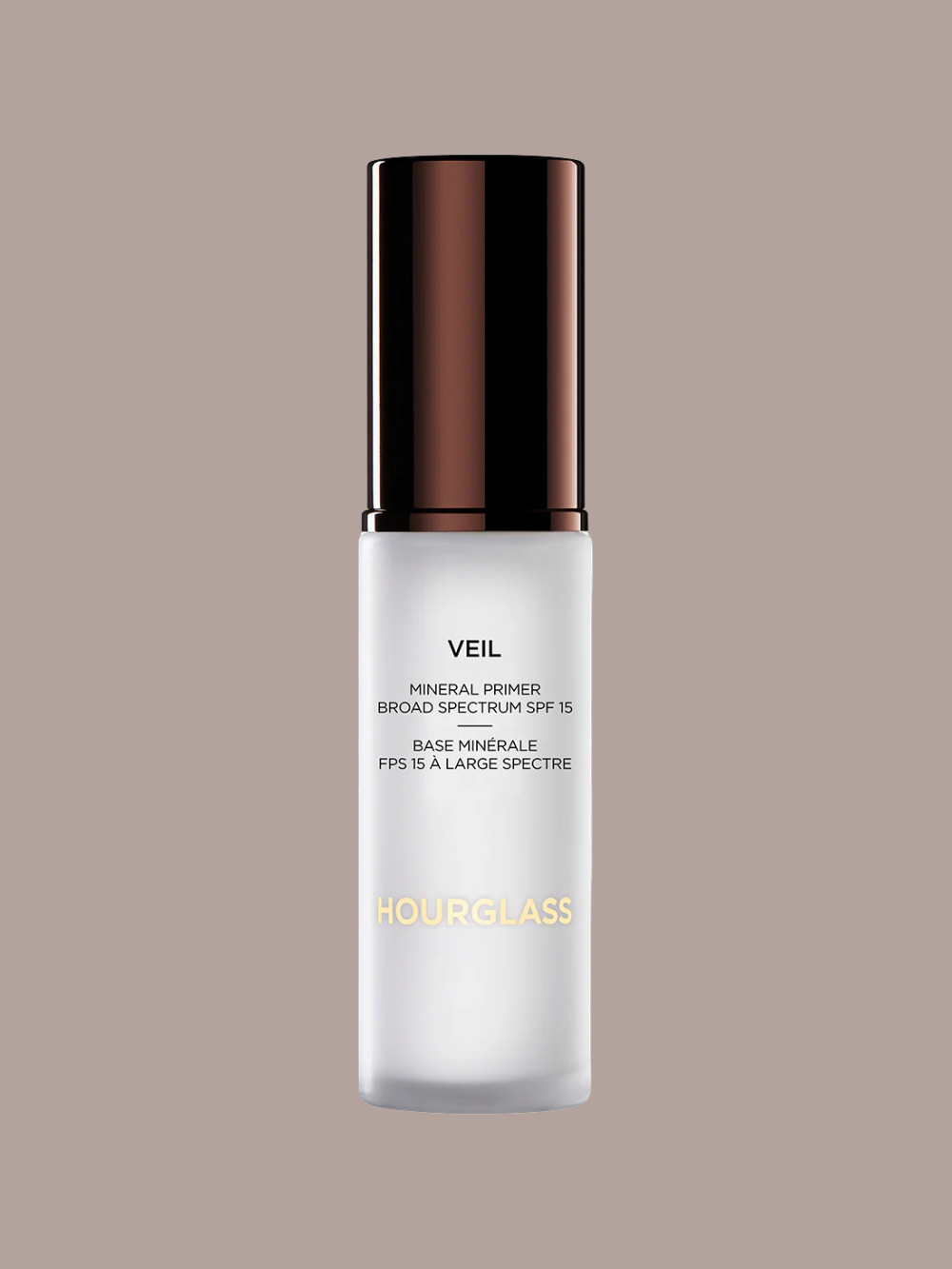
The issue isn’t hydration itself — dehydrated skin still needs moisture, even in summer. The issue is the type of hydration. A heavy, occlusive moisturiser that helped skin retain water in January can sit on top of oily summer skin and create a slick base that foundation struggles to grip. This is where mattifying primer for summer routines earns its place: lightweight, oil-controlling formulas that hydrate without adding extra slip.
That said, mattifying prep doesn’t mean stripping skin. Overcorrecting with harsh, oil-stripping products tends to backfire, signaling skin to produce even more oil to compensate. The goal is balance: enough hydration to keep skin comfortable, enough oil control to give foundation something stable to hold onto.
This single adjustment at the prep stage is often what separates a base that survives the afternoon from one that starts breaking down by lunch.
Applying Too Much Product for the Temperature
A full-coverage routine that performed well in winter can look heavy and cakey once temperatures climb. Thicker formulas interact differently with sweat and oil — instead of sitting smoothly, they’re more likely to separate, pool in fine lines, or shift into pores as the day goes on.
Here’s the thing: coverage doesn’t need to disappear in summer, but how it’s built usually needs to change. Buildable, lightweight layers tend to hold up better than one heavy application, because thinner layers give skin room to breathe and give sweat less surface area to disrupt. For anyone whose skin runs oily or combination in warmer months, switching to a lighter foundation formula seasonally — rather than trying to force a heavier one to behave — is often the more reliable long lasting foundation summer strategy.
This is also where a lightweight foundation for summer earns its reputation. It’s not about wearing “less” makeup. It’s about choosing a formula built to move with skin that’s producing more oil and sweating more than it does the rest of the year.
Standard powder application can look flat, ashy, or heavy once humidity enters the picture — a common but avoidable summer makeup breakdown fix issue. Powder that translates beautifully in dry air can behave very differently once moisture in the atmosphere changes how it sits on skin.
Baking — applying a heavier layer of powder to targeted areas and letting it sit before dusting off the excess — can work well for oil-prone zones that need serious staying power, like the t-zone. But baking everywhere, or using it as a default rather than a targeted technique, tends to create the cakey, heavy look people associate with summer makeup gone wrong. For most of the face, a light, even dusting of setting powder for humidity holds foundation in place without adding visible texture.
Setting spray technique matters just as much here. In humid conditions, a light mist held slightly further from the face — rather than a heavy, close-range spray — tends to lock down makeup without reactivating it or creating a damp, unset look.
One mistake worth calling out directly: over-powdering to compensate for oil. It’s a common instinct when skin feels shiny by midmorning, but excess powder often creates a dry, cakey texture that emphasises texture and fine lines rather than smoothing them — and it doesn’t actually solve the oil production causing the shine in the first place.
Foundation shades can oxidise — shift darker or more orange-toned — more noticeably in heat than in cooler weather. This happens because oxidation is a chemical reaction between certain foundation ingredients and oxygen, and that reaction tends to accelerate with warmth and with the extra oil production summer skin produces.
Shade matching with oxidation in mind is a professional habit worth adopting. Testing a foundation shade fresh out of the bottle and judging it immediately can be misleading; letting it sit on skin for ten to fifteen minutes before making a final call gives a more accurate read on how it will actually wear through the day. For anyone whose foundation reliably oxidises darker by afternoon, sizing down to a slightly lighter shade — rather than fighting the formula every day — is often the more sustainable fix.
A full reapplication midday tends to disrupt a base more than refresh it, layering new product on top of oil, sweat, and whatever’s shifted since morning application. This is one of the more overlooked summer makeup mistakes, largely because “just reapply” sounds like the obvious solution when it’s often the source of the cakey buildup people are trying to avoid.
Blotting first, then touching up only where needed, tends to preserve the original application far better than starting over. Blotting papers or a light dusting of setting powder to absorb excess oil, followed by a small amount of product only in areas that have genuinely broken down, keeps the base looking intact rather than layered.
The right foundation touch-up technique also depends on having the right tools on hand — a small sponge or brush rather than fingers, which can pick up more oil and disrupt more of the existing makeup than necessary. A minimal touch-up kit, kept simple, tends to serve better through a long summer day than trying to carry a full routine.
Publishing industries for previewing layouts and visual mockups.