


Related Posts




By Siena Brown • June 24, 2026 • 4 mins read


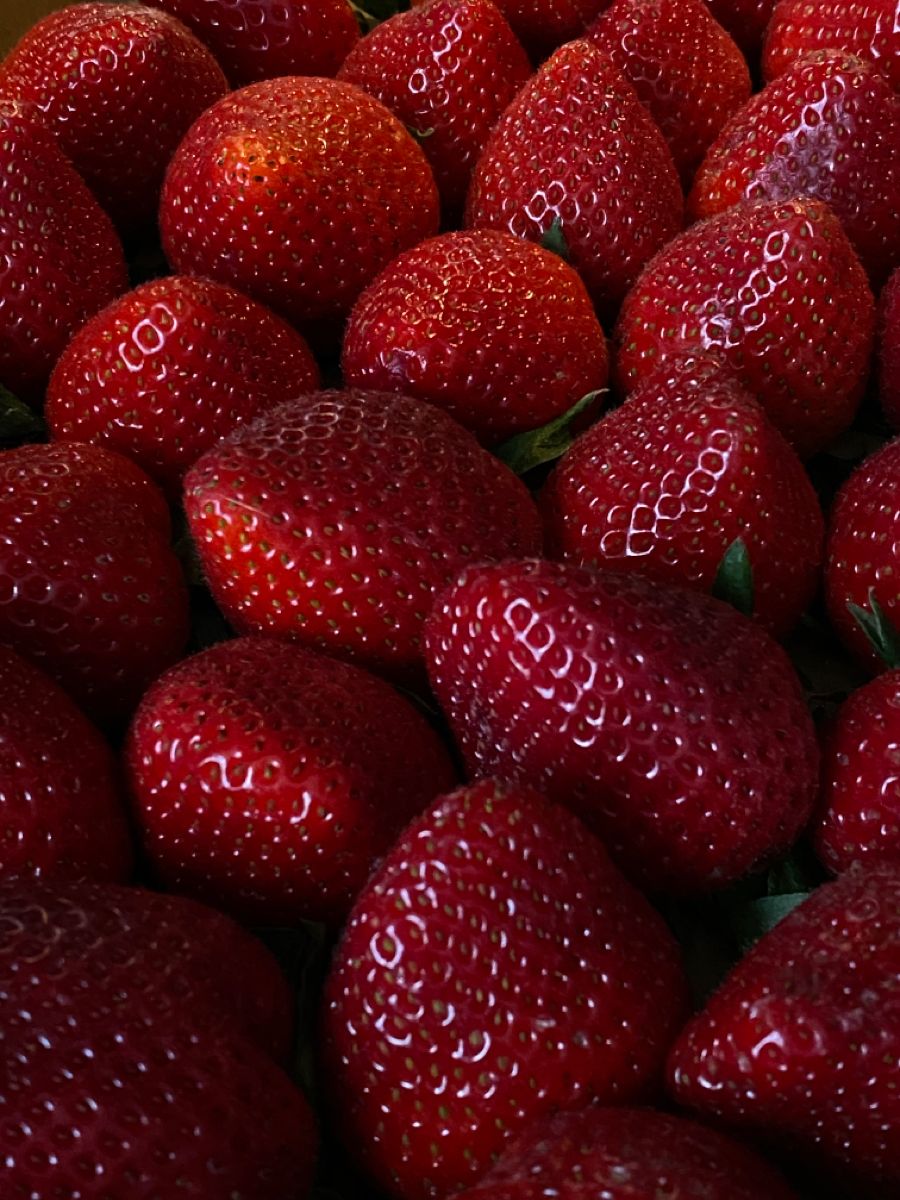
Watermelon has become shorthand for “hydrating food,” and while it earns the reputation, it’s far from the only option — and treating it as the default can mean missing foods that offer more sustained skin benefits. Hydration from food works differently than water alone: some foods deliver water content directly, others support the skin’s ability to retain moisture over time.
Since dehydrated skin makes makeup harder to apply smoothly and less likely to last, what shows up on the plate has a real, if indirect, connection to how skin looks and how makeup performs in summer heat. Here’s what else belongs on that list.
Cucumber, celery, and citrus fruits sit alongside watermelon in water content, often above 90%, and offer a similar direct hydration benefit without the sugar load that comes with larger watermelon portions. Cucumber in particular is easy to incorporate throughout the day rather than as a single sitting, which matters more for consistent hydration than one large serving.
Water content alone isn’t the full picture, though. These foods contribute to overall fluid intake, similar to drinking water, but they don’t address the retention side of hydration — how well skin actually holds onto that moisture once it’s there. That’s a separate mechanism worth understanding, covered next.
Fatty fish — salmon, mackerel, sardines — and other sources of healthy fats work through a different mechanism than water-content foods. Rather than adding hydration directly, they support the skin’s barrier function, the outermost layer responsible for keeping moisture in and irritants out.
A compromised barrier lets hydration escape faster, regardless of how much water or water-rich food someone’s consuming. This is part of why skin can feel dehydrated even with adequate water intake — the barrier isn’t holding onto what’s already there. Including barrier-supporting fats a few times a week, rather than as a single dietary overhaul, tends to be the more sustainable way to see this benefit show up over time.
Hydration isn’t only about how much water goes in — it’s also about retention, and electrolytes play a direct role in that. Sodium, potassium, and magnesium all affect how well the body holds onto fluid rather than losing it, which becomes especially relevant in summer when heat and sweat increase fluid loss beyond normal levels.
Leafy greens, coconut water, and electrolyte-rich produce like avocado support this retention side of hydration in a way that plain water alone doesn’t fully address. This matters more during periods of increased heat exposure or activity, when fluid loss through sweat is higher than usual and retention becomes a bigger factor in how hydrated skin actually looks and feels.
Berries, tomatoes, and other antioxidant-dense foods support skin through a different pathway again — not hydration directly, but resilience against the oxidative stress that heat and sun exposure place on skin. This connection is worth stating carefully: antioxidants support skin’s response to environmental stress, but they don’t replace SPF or direct hydration habits, and claiming otherwise oversells what diet alone can do.
What antioxidant-rich foods can realistically contribute is a modest reduction in some visible signs of stressed, dull-looking skin over time, particularly when combined with the hydration and barrier support covered above rather than relied on independently.
Well-hydrated, barrier-supported skin holds foundation more evenly than dehydrated skin, which tends to grab product unevenly in dry patches and requires more frequent touch-ups as the day goes on. This is the practical, visible link between what’s happening internally and how a base makeup look actually performs through a hot day.
It’s worth being clear about the limits here: food is one part of a larger picture that includes water intake, skincare, and sun protection — not a standalone fix. Someone eating exactly the right foods but skipping SPF or basic hydration habits elsewhere won’t see the same benefit as someone approaching all of it together. Diet supports the foundation; it doesn’t replace the rest of the routine.
Watermelon deserves its reputation, but it’s one entry on a longer list of foods that genuinely support hydrated, resilient summer skin. None of these replace water intake or a solid skincare routine, but layered together, they’re part of why some people’s skin — and makeup — holds up better through the heat than others’.
Publishing industries for previewing layouts and visual mockups.