



Related Posts



By Aliyah Ray • February 20, 2025 • 12 mins read


Finding your perfect foundation match can certainly come with its challenges. Between undertones, coverage levels, finishes, and formulas, the options can be overwhelming even for makeup enthusiasts. Many of us have been there – standing in the beauty aisle surrounded by dozens of bottles and swatches, unsure which shade will actually disappear seamlessly into our skin. Or worse, we’ve experienced the disappointment of getting home with a new foundation only to discover it oxidizes to the wrong color or emphasizes texture we didn’t even know we had.
But choosing the right foundation doesn’t have to be a frustrating guessing game. With a systematic approach and understanding of a few key factors, you can navigate the foundation-matching process with confidence. In this guide, we’ll break down everything you need to know about finding your ideal foundation match – from determining your undertone and coverage needs to testing products effectively and avoiding common mistakes that lead to mismatches.
Choosing a suitable foundation typically begins with understanding your skin’s undertones and identifying your skin type. This ensures that your decision matches your skin and enhances your natural beauty.
There are three main undertones: warm, cool, and neutral, and understanding which one is right for you is key to choosing a foundation shade. When you think you’ve found your shade, it’s time to put it to the test. The simplest method to accomplish this is to swatch or apply your foundation and then check the match in natural light. Natural light is a more neutral light source than, say, indoor lighting. Also, don’t forget to give it time to dry; the colour when wet is not the same as when dried, and the final hue will develop over a few minutes.
Warm Undertones: Your veins appear greenish, and gold jewellery tends to highlight your skin’s radiance.
Cool Undertones: Your veins look blue or purple, and you usually look good in silver jewellery.
Neutral Undertones: A blend of green and blue veins, and both gold and silver jewellery can look smashing.
Understanding your skin type is essential to selecting the best foundation formula. Depending on your skin type—normal, oily, dry, combination, or sensitive—a particular formula is needed to work with it.
Normal Skin: Whilst we would consider all skin to be normal, determining how best to treat your skin will find normal skin to be more balanced, not too oily or dry, displaying no persistent skin concerns. With a normal skin type, you can pretty much explore all foundation types either liquid, cream, or powder.
Oily Skin: Oily skin types will appear to be more shiny, and prone to breakouts due to the high production of sebum, the skin’s natural oil. Considering this, the best formulas would be Oil-free and mattifying foundations.
Dry skin: Dry skin types tend to lack in moisture and production of sebum, which can make the skin feel dry, tight, and flaky. This skin type would benefit from using hydrating formulas and opting for a liquid or cream based foundation.
Combination skin: Combination skin has both dry and oily skin features causing the uneven distribution of sebaceous and sweat glands. This skin type will appear oily in some areas and dry elsewhere. The best formulas to use would be balanced formulas, either liquid or stick foundations.
Sensitive skin: Sensitive skin can easily be irritated and tends to turn red. For skin that’s sensitive and prone to breakouts, oil-free options are usually a go-to as well as hypoallergenic and fragrance-free products.
Choosing the appropriate foundation is like trying to finding the perfect pair of jeans: when you get it right, everything else falls into place. Here’s our perspective on the foundation types you’ve probably heard of: liquid, serum, cream, and stick.
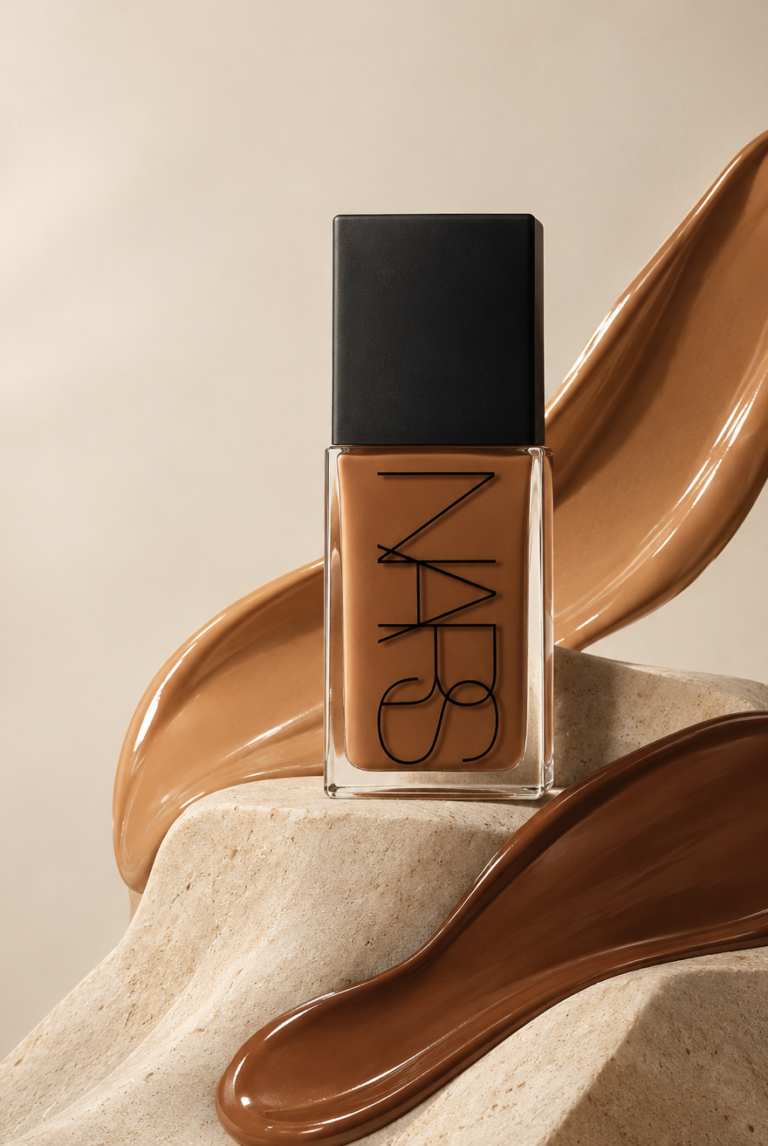
As they work well on all skin types and offer adjustable coverage from “barely there” to “full-on glam,” liquid foundations are an essential part of every makeup routine. They provide moisture, mix smoothly, and remain in place for hours. A liquid foundation has drawbacks because some formulas might oxidize and clog pores unless they are approved as pore-friendly.
Advantages
1. Buildable coverage
2. Blend easily
3. Dewy finish
Disadvantages
1. Pore clogging
2. May oxidize
Get the scoop on top foundations that keep pores happy.
The newest trend is serum foundation, which is well-known for enhancing your appearance and coordinating well with your moisturiser to give you that “just got out of bed like this” glow. If you can appreciate a natural or dewy look, you should try out a serum foundation.
Advantages
1. Skincare benefits
2. Blends effortlessly
Disadvantages
1. Coverage cap
If you’ve got touchy skin, peep the lineup of gentle giants for sensitive skin.
Cream foundations are renowned for their moisturising qualities and silky, smooth finish. It is therefore the perfect option if you have dry or mature skin.
Advantages
1. Max coverage
2. Quenching
Disadvantages
1. May crease under heat
2. Avoid oily zones
Check out our thoughts on the top hydrators for when skin’s been through a drought.
Stick foundations are always there when you need a fast resolution. They work well with normal to dry types and offer medium to full coverage. They are more than just a cover-up because they contain benefits like antioxidants and natural oils.
Advantages
1. multifunctional abilities
2. on-the-go touch ups
Disadvantages
1. might no on thick
2. less buildable
Get the skinny on making sticks work for you with our step-by-step guide.
Given their light texture and ability to absorb oil while imparting a matte look, whipped mousse foundations are a godsend for oily skin types. Like, well, mousse, they apply smoothly and provide a steady dab of medium-to-full coverage.
Advantages
1. Featherweight
2. Matte finish
Disadvantages
1. Variety of skin tone shades
Dive into details on the oily skin’s BFFs.
Picking the right foundation can set you on the path to complexion bliss. Mess around with a few till you land the perfect foundation for every mood and occasion your skin dances to.
Figuring out the level of coverage that suits your vibes with foundation can make your skin pop while tackling whatever needs fixing.
Sheer coverage foundations are like a soft hug for your skin. If you’re someone who digs the laid-back, barely-there glow, this one’s for you. Light as air, it smooths out your complexion enough to make a difference but lets your natural beauty shine through. Your face, but breezier.
Features
1. Lightweight, breathable feel
2. Barely-there coverage
3. Can layer up
Benefits
1. Looks just like skin
2. evens out without hiding
3. Perfect for a natural vibe
I got your back with the best light foundation picks.
Craving a touch more oomph? Light coverage foundations bring a little more magic without going heavy. They keep it casual and are fab for a dewy look. Great if you’re dealing with small bumps like tiny marks or spots.
Features
1. A tad more pigment
2. Everyday comfort
3. Layerable
Benefits
1. Sneaks in subtle cover-ups
2. Awesome for dry patches
Peek at the best clean foundation for more options.
Medium coverage is the jack-of-all-trades. It solidly bridges the gap between just right and almost too much. Tackles redness and uneven patches without overkill, leaving you feeling smooth and together. Most skin types get along with this level.
Features
1. Just enough color
2. Hides imperfections
3. layer friendly
Benefits
1. Evens you out nicely
2. Multi tasker for issues
3. Fits normal to combo skin
Dive into the best non-comedogenic foundation guide for more deets.
Going full-on, full coverage is your ride-or-die for when you want to rock a super polished look. It’s your skin’s armor, erasing every blemish, scar, or uneven patch. Think long events or when you just feel like going all out.
Features
1. Super pigmented
2. Covers everything
3. Great for glam days
Benefits
1. Very put-together look
2. stays on through it all
3. works for every skin type with prep
Scope the best long-lasting foundation for more insights.
Grasping the whole shebang about coverage levels helps you nail the perfect choice for your skin. Need tips on finding your perfect shade match? Swing by how to pick the right foundation shade. And don’t skip on prepping that face and using the best foundation brush for a flawless finish.
To get that flawless face, you gotta know how to slap that foundation on just right. Let’s break it down step-by-step.
Nailing a great makeup look starts with what you do before the makeup even hits your face. Here’s how I get my skin in shape:
1. Cleanse: Splash your mug with a gentle cleanser to kick off any dirt and grime.
2. Tone: Balance your skin’s natural vibes with a dab of toner.
3. Moisturize: Slap on a moisturizer that loves your skin as much as you do.
4. Prime: Smoothing out the road for your makeup to glide on. If you’ve got bumpy bits like acne scars, go for a silicone-based primer.
Getting that shade just right is the real MVP of your makeup game. Here’s my trick:
1. Know Your Undertones: Are you cool, warm, or chillin’ somewhere in the middle?
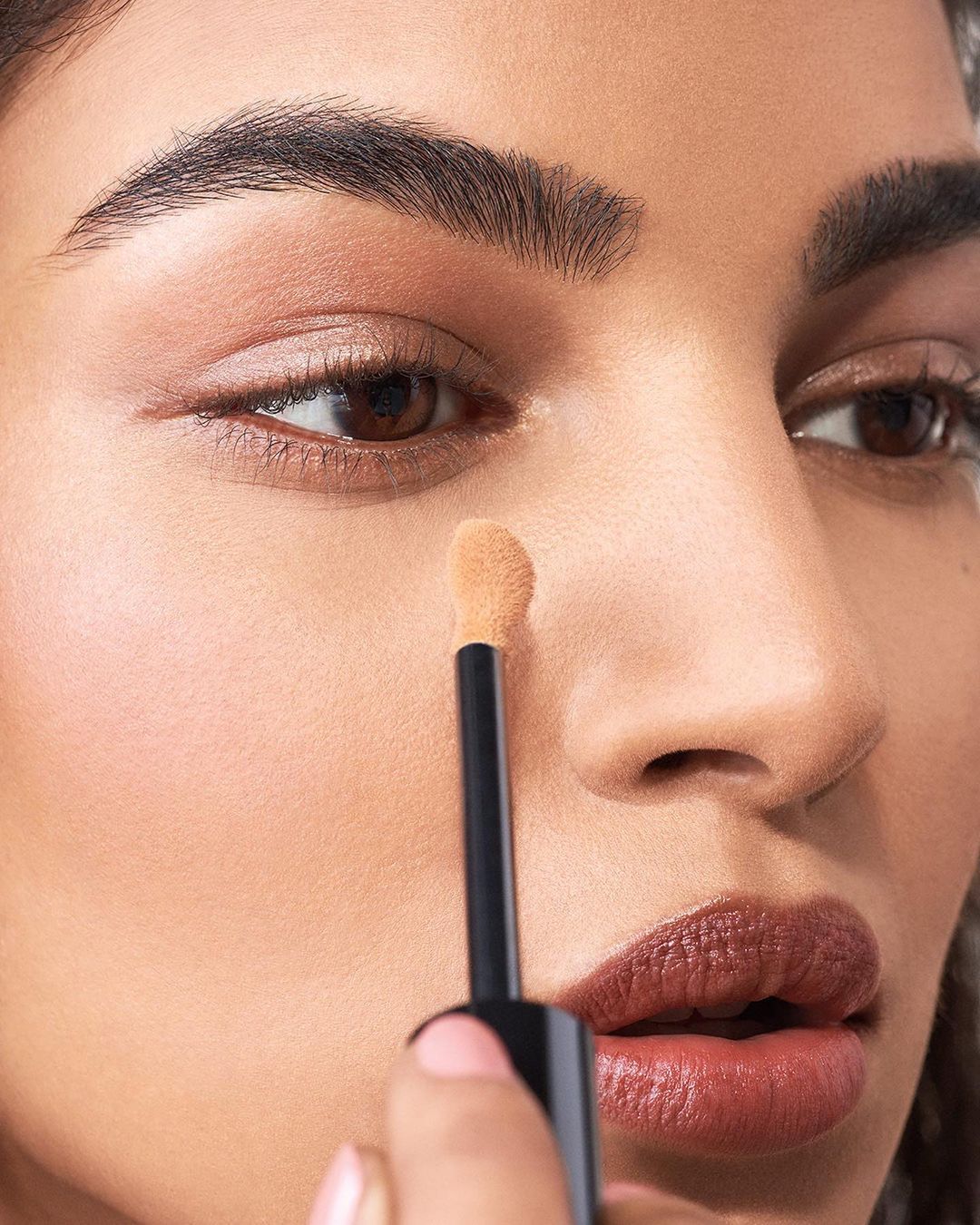
2. Test Drive Shades: Swipe a few contenders along your jawline under natural light. The one that pulls a Houdini act and disappears is the winner. Pantone SkinTone Guide has a handy tool for tracking down your shade soulmate.
Wanna dive deeper? Check out our scoop on how to pick the right foundation shade.
Blending is like magic—it makes your makeup look real instead of painted on. Here’s my game plan:
1. Pick Your Tool: Whether it’s the best foundation brush, a sponge, or your trusty fingers, choose what feels right.
2. Get Your Blend On:
3. Brush: Do these short, downward strokes.
4. Sponge: Dab, bounce, repeat.
5. Fingers: The ring finger is your best buddy for this—lightly tap and blend.
Tool
1. brush
2. sponge
3. fingers
Coverage
1. Medium to Full
2. Light to medium
3. Light
Finish
1. Natural
2. Dewy
3. Sheer
Layer Up: Ease up on layering. Do it bit by bit to dodge turning into a cake-face. For more on keeping your finish smooth, drop by our article on how to make foundation not cakey.
Perfecting your foundation game is all about prepping your skin and finding that perfect shade match. Master these tricks, and you’ll have that seamless face looking like a pro. Get more scoop on picking the right foundation for you by checking our reads on best clean foundation, best foundation for combination skin, and best foundation for large pores.
Keeping your mug looking flawless year-round isn’t just about luck; it’s about smart choices, especially when it comes to foundation. The sun-splashed days of summer might have your skin looking a tad duskier, while winter’s chill can give it a lighter glow. I’ve learned that having a stash of different shades helps me roll with the seasonal punches.
To dodge those awkward makeup lines where your face and neck meet, make sure to match up with your neck and chest. Trust me, it’s a game-changer. Having shades that cater to your sun-kissed summer look and those paler winter hues is the way to go.
Here’s a little cheat sheet for adjusting those shades of yours:
Season
Summer
Fall
Winter
Spring
Typical Skin Tone Shade Switch
Go 1-2 shades deeper
Find a balance between summer and winter
Lighten it up by 1-2 shades
Prep for the summer-toned look
Dive into our picks for the best foundation for sensitive skin or check out the best long lasting foundation whenever you’re in a bind.
Mother Nature definitely has her say in the way my skin looks throughout the year. The blazing sun of summer? Yeah, that often has me reaching for a bronzer look in my foundation. But come winter, when I’m seeing a paler version of myself in the mirror, it’s back to a lighter shade. Here’s my rundown on how I keep my foundation game strong all year:
Impact: Yeah, I tan. And the sun’s got me reaching for a shade or two darker.
Swap: Grab a deeper foundation for that sun-kissed glow.
Top Pick: Best foundation with SPF to fend off more sun woes.
Impact: The sun plays hide-and-seek, and my skin gets all pale.
Swap: I switch it up with lighter shades.
Top Pick: Best hydrating foundation to fight off that winter dryness.
Impact: It’s like my skin’s playing musical chairs.
Swap: I’m mixing it up or going flexible with my products.
Top Pick: Best clean foundation for coverage that can hang with any season’s twists and turns.
Remember, finding your perfect foundation is a journey, not a race. While the process may take some trial and error, the confidence that comes from wearing a foundation that truly looks like your skin – only better – is worth the effort. Don’t be afraid to ask for samples, test in different lighting, and take your time making a decision. Your ideal match is out there, and now you have the tools to find it.
Ready to start your foundation-finding journey? Take the first step today by determining your undertone using the techniques we discussed. Then, visit your local beauty retailer armed with your new knowledge. Take photos of your matches in different lighting, and don’t forget to document which formulas work best for your skin type. Share your success story in the comments below – we’d love to hear about your foundation transformation!
For more beauty tips and tutorials, don’t forget to subscribe to our newsletter and follow us on social media.
Publishing industries for previewing layouts and visual mockups.