



Related Posts




By Siena Brown • August 3, 2026 • 4 mins read


Summer skincare tends to be a little different. We reach for lighter textures, spend more time outdoors, wear SPF more consistently and sometimes let the usual routine become a little more relaxed.
As autumn arrives, your skin may simply want something different again. It might feel a little drier, your usual products may start feeling more comfortable, or you may be ready to bring back the treatments you paused over summer.
There’s no need for a complete reset. Think of it as easing your skin back into a routine that feels good for the season ahead.
If your skincare has become a little inconsistent over summer, start with the products you already know work for you.
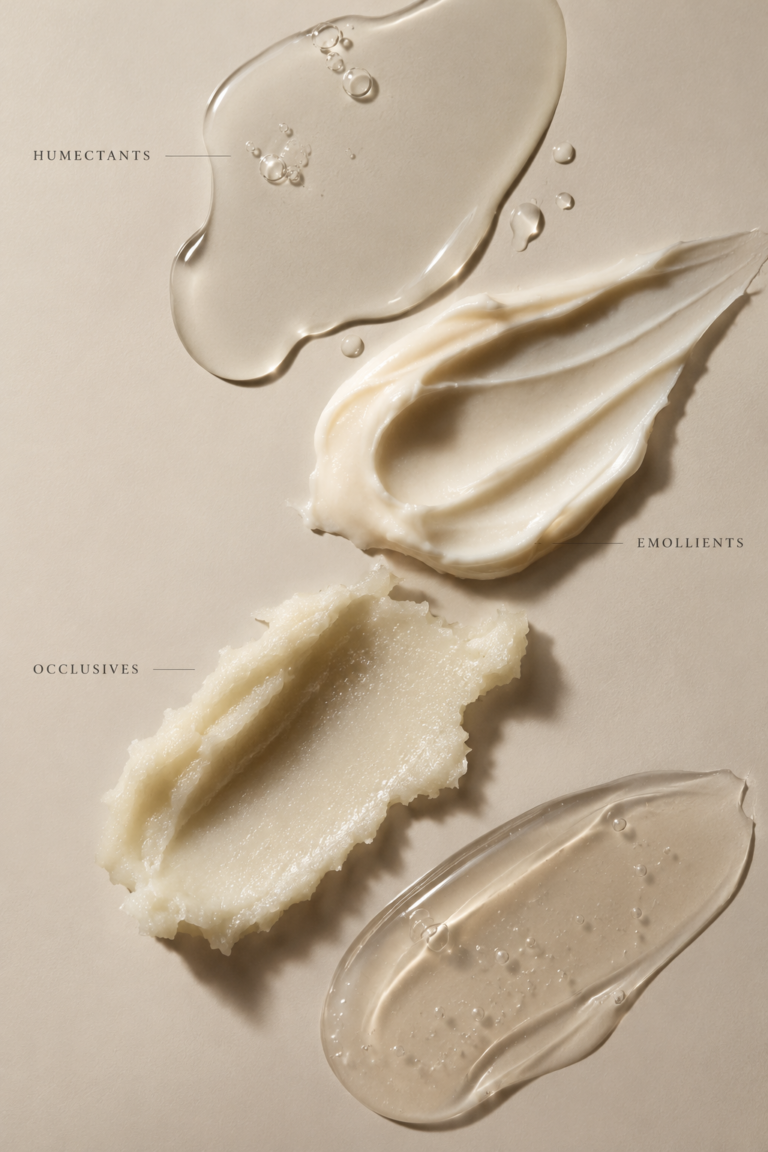
A gentle cleanser, moisturiser and daily SPF are enough to build from. If your skin is feeling dry or tight, a moisturiser containing ingredients such as glycerin, ceramides or hyaluronic acid can help support hydration (AAD).
You don’t need to introduce several new products at once. In fact, keeping things simple makes it easier to work out what your skin actually needs.
If you reduced or paused retinoids or exfoliating acids over summer, there’s no reason to rush straight back to your old schedule.
Retinoids can cause dryness, redness and peeling, particularly when they’re first introduced or used more frequently, so gradually increasing use can make them easier to tolerate (AAD).
If you were using retinol three nights a week before summer, for example, you could start with once or twice a week and increase from there if your skin feels comfortable.
The same approach works for acids. Introduce one active at a time, give your skin some space to adjust and pay attention to how it responds.
If your skin is already feeling sensitive or irritated, it’s perfectly fine to wait.
Cooler weather can be a good excuse to revisit your moisturiser.
If you spent summer using lightweight gels, you might find that a richer cream feels more comfortable now. Or you may find that your usual formula still works perfectly well — there’s no rule that says your moisturiser has to change with the calendar.
Look for familiar hydrating ingredients such as glycerin, hyaluronic acid and ceramides if your skin is feeling particularly dry, and apply moisturiser while skin is slightly damp to help retain moisture (AAD).
Most importantly, don’t mistake dry skin for skin that needs more active ingredients. Sometimes it just needs a little more hydration and a little less experimentation.
The end of summer doesn’t mean the end of SPF.
UV exposure continues throughout the year, so keeping a broad-spectrum SPF 30 or higher in your morning routine is still a sensible habit (AAD). This is particularly important if you’re concerned about pigmentation or are bringing retinoids back into your routine.
Think of SPF as an everyday skincare step rather than something reserved for sunny holidays.
You may notice the seasonal change in your makeup before you notice it anywhere else.
Foundation that looked effortless in summer can start catching on dry areas as the weather changes. Before replacing your base products, try adjusting your skin prep instead.
A little extra moisturiser underneath makeup, a more hydrating primer or simply giving your skincare a few minutes to settle can help your base look smoother and more comfortable.
And if your skin is feeling particularly dry or sensitive, a lighter makeup routine can give it a little breathing room while you work out what it needs.
For how skin prep affects the base directly: [What Skipping Skin Prep Does to Your Makeup].
Publishing industries for previewing layouts and visual mockups.