

Related Posts


By Siena Brown • June 4, 2026 • 4 mins read


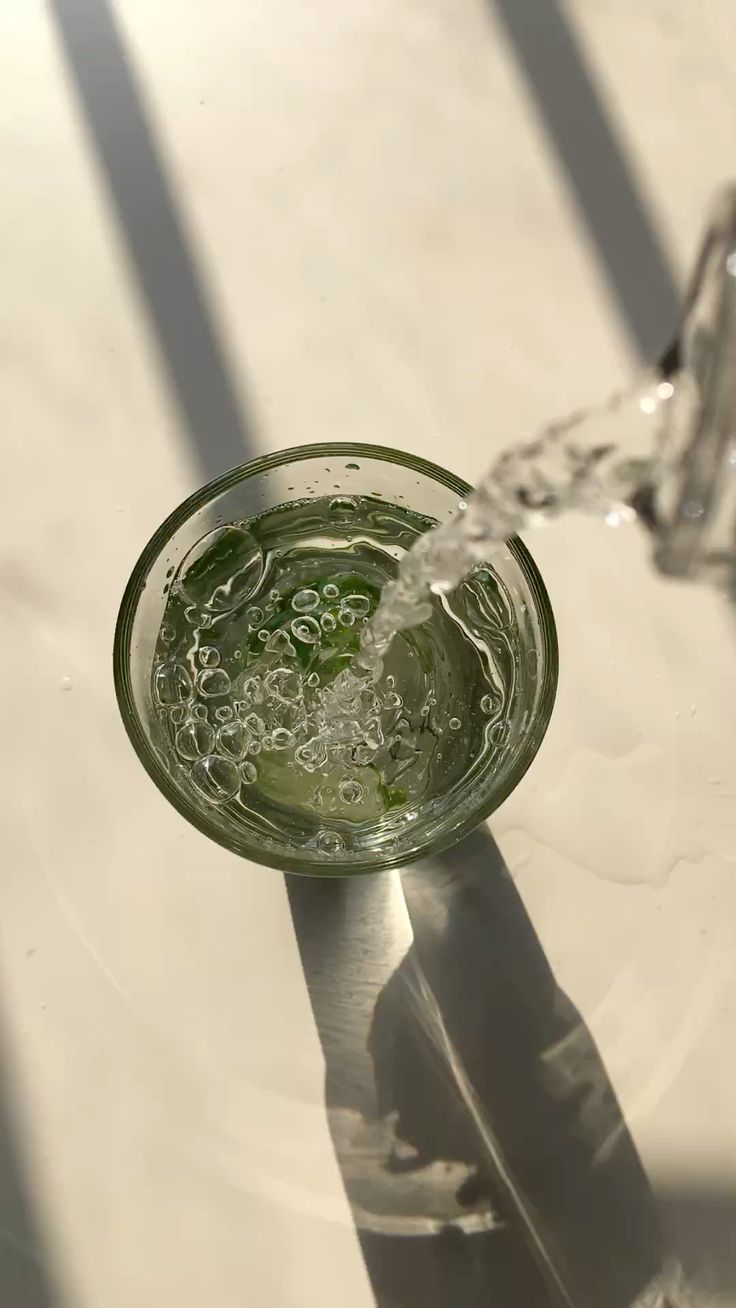
Reaching for more water is the default response to feeling dehydrated in summer heat, and it’s not wrong — it’s just incomplete. Hydration depends as much on what the body retains as what it takes in, and heat changes that equation by increasing fluid loss through sweat faster than plain water alone can always keep pace with.
Understanding retention, not just intake, is what separates someone who drinks plenty of water but still feels and looks dehydrated from someone whose hydration habits actually hold up through a hot day.
Sweat increases significantly in summer heat, and with it, fluid loss climbs well above normal daily levels. Drinking more water helps, but it doesn’t always keep pace with how quickly that fluid is being lost, particularly on high-activity or high-heat days.
This is where intake and retention become two separate parts of the same problem. Intake is how much goes in; retention is how well the body actually holds onto it. Someone drinking what feels like plenty of water can still experience the effects of dehydration if retention isn’t being supported alongside intake — a common and often confusing experience for people who assume more water is always the answer.
Electrolytes — primarily sodium, potassium, and magnesium — regulate fluid balance in the body, essentially determining how well water is retained rather than passed through quickly. Sweat depletes electrolytes alongside water, which means heavy sweating doesn’t just create a water deficit, it creates an electrolyte one too.
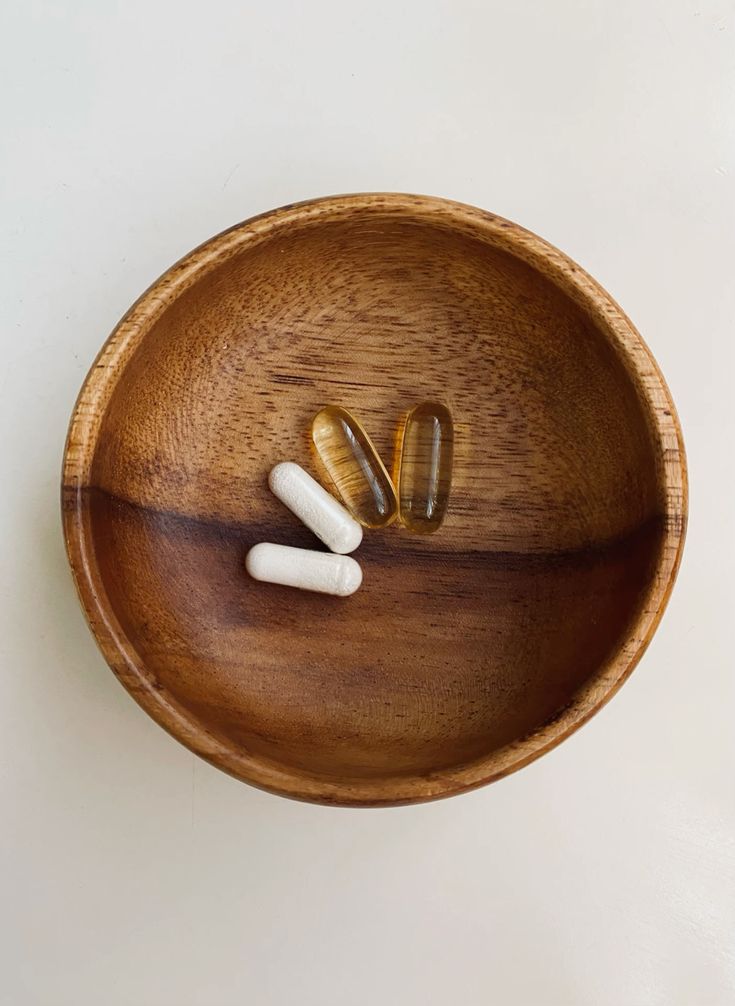
Replacing electrolytes doesn’t require an elaborate routine. Electrolyte-rich foods, a pinch of salt in water, or a simple electrolyte supplement on particularly hot or active days can meaningfully support retention in a way plain water alone doesn’t address on its own.
Drinking a large volume of water at once tends to be less effective than steady intake spread through the day. The body can only absorb and use so much fluid at a given time; a large amount consumed quickly is more likely to be processed and excreted rather than genuinely supporting hydration over the following hours.
Pacing doesn’t need to become a tracked, rigid routine to be effective. Steady intake through the day — rather than catching up all at once after realising it’s been hours since the last drink — tends to support hydration more consistently, particularly on higher-activity days where fluid loss is ongoing rather than occasional.
Direct sun exposure and ambient heat both independently increase fluid loss, even without significant physical activity. Simply being outside on a hot day accelerates fluid loss beyond what indoor, temperature-controlled conditions would.
Air conditioning and dry indoor air play a role too, and it’s one that’s easy to overlook because it doesn’t come with the obvious cue of visible sweat. Dry indoor air draws moisture from skin more subtly than heat does, which is part of why hydration habits sometimes need adjusting even on days spent mostly indoors. Travel compounds this further — flights in particular combine dry cabin air with hours of reduced movement, both of which affect hydration in ways that are easy to underestimate until skin starts to feel it.
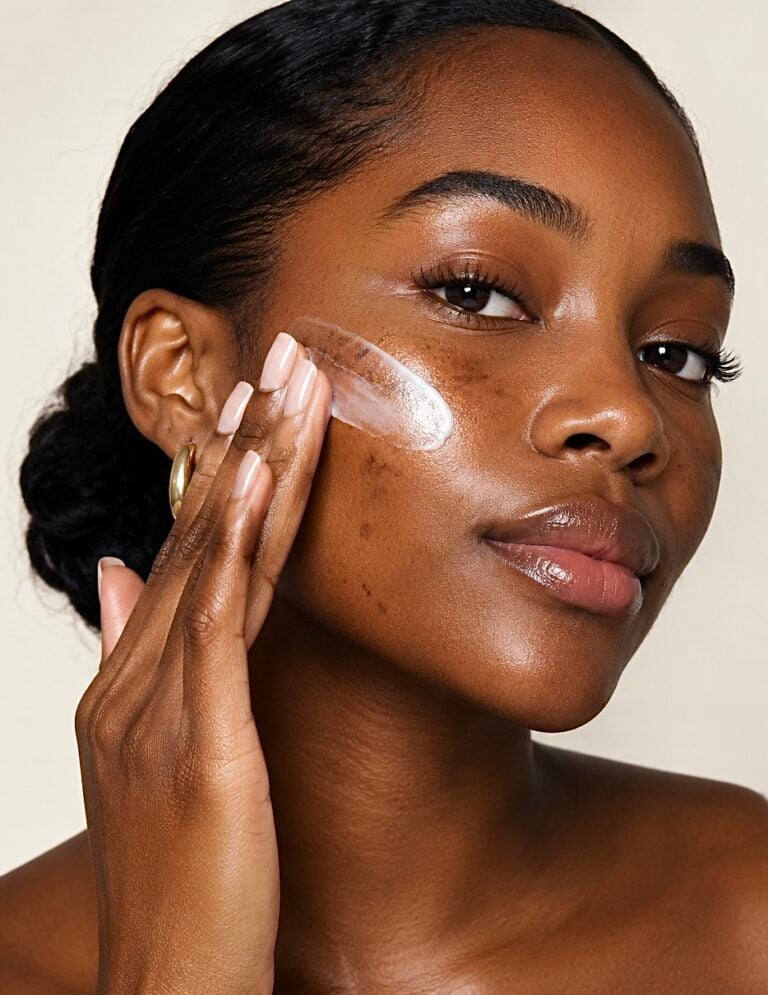
Retained hydration shows up in skin differently than water intake alone. Well-hydrated, well-retained skin tends to look plumper and more even-toned, while skin that’s technically getting enough water but not retaining it well can still look and feel dehydrated — dull, prone to fine lines showing more, and harder for makeup to sit on evenly.
It’s worth being clear about what hydration habits can and can’t do here. They support the foundation skin needs to look and perform well under makeup, but they work alongside skincare and sun protection, not in place of them. Someone hydrating well but skipping SPF or basic skincare won’t see the same benefit as someone approaching all of it together.
Staying hydrated in summer isn’t only about drinking more water — it’s about supporting retention through electrolytes, pacing intake through the day, and accounting for environmental factors that quietly increase fluid loss. Combined, these habits do more for how skin looks and holds up under makeup than water intake alone ever fully can.
Publishing industries for previewing layouts and visual mockups.