



Related Posts


By Siena Brown • October 15, 2026 • 4 mins read


As autumn arrives, our food naturally starts to change. Salads and lighter summer meals make way for roasted vegetables, warming soups, seasonal fruit and comforting bowls of food.
It’s also a good time to think about whether your everyday meals are giving your skin the nutrients it needs. There isn’t one food that can transform your complexion overnight, but a varied diet rich in fruit, vegetables, healthy fats, protein and whole foods can support your overall health — and healthy-looking skin is part of that.
So, what deserves a place on your autumn plate?
Autumn is a particularly good season for adding colour to your meals.
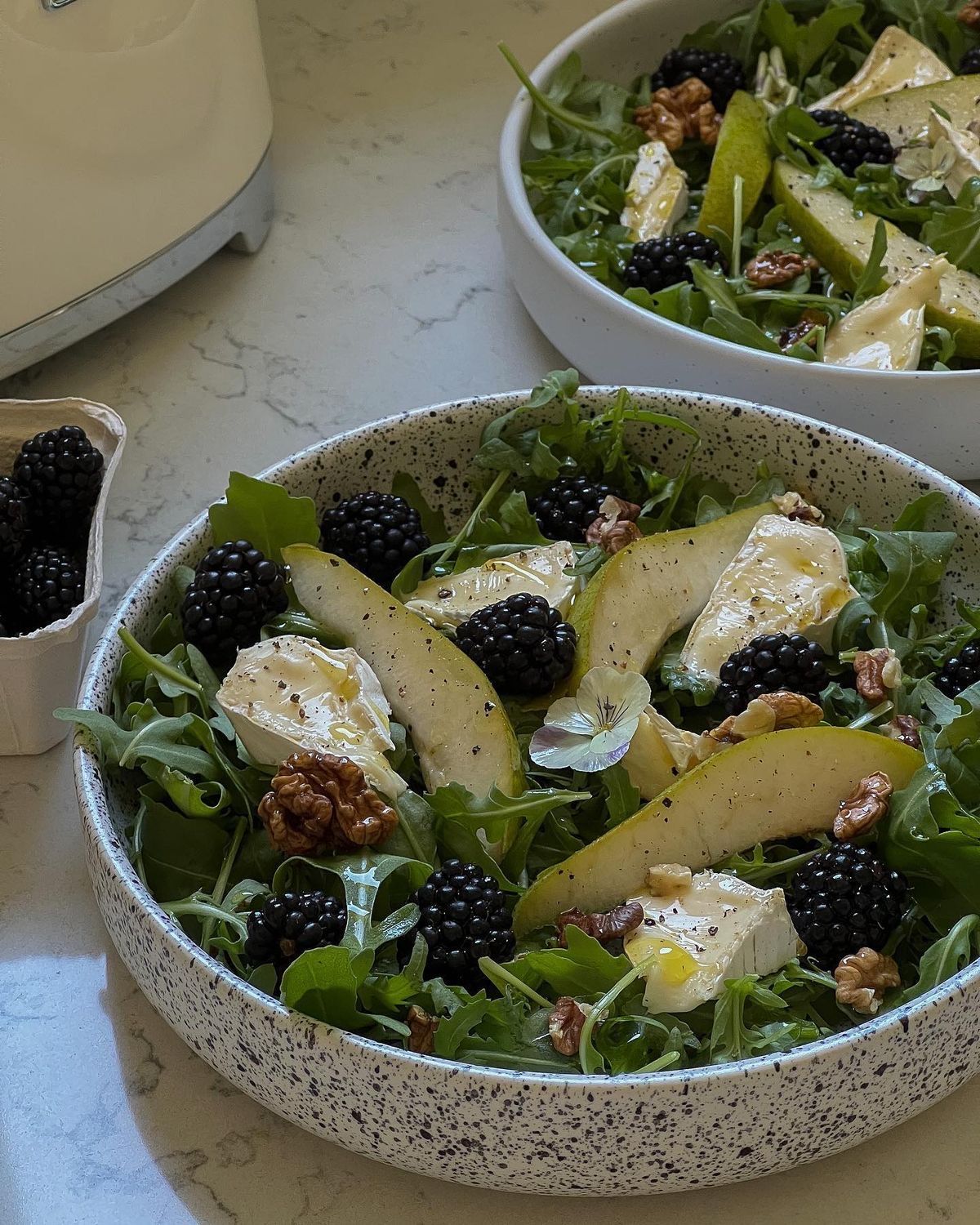
Carrots, sweet potatoes, squash, leafy greens, berries, apples and citrus fruits all provide different vitamins, minerals and plant compounds.
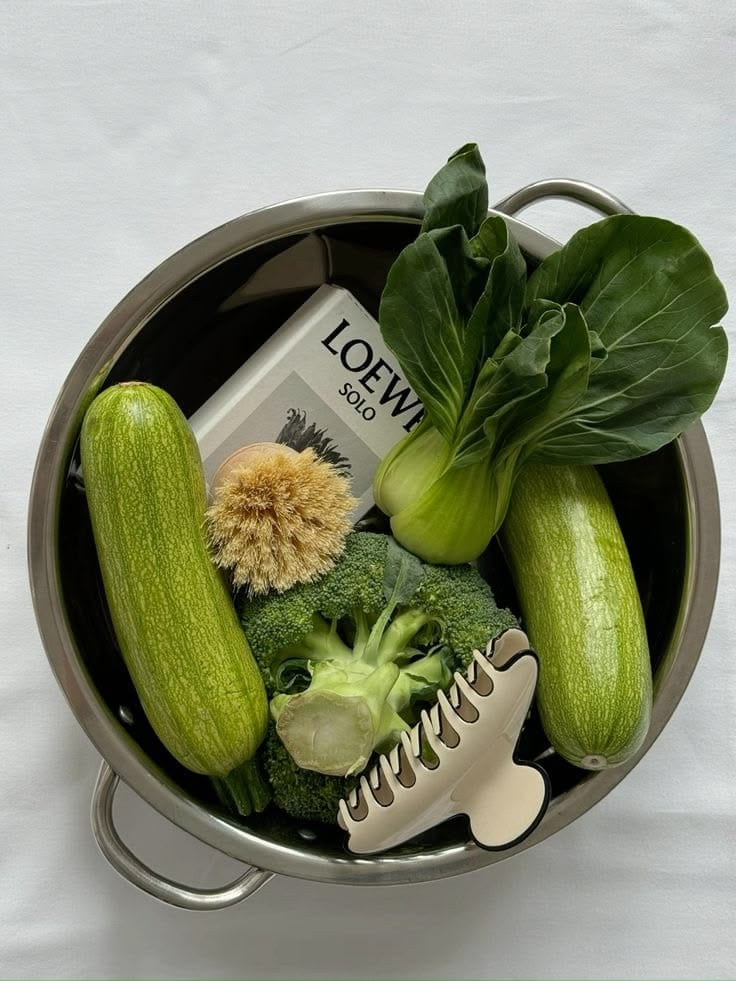
Vitamin C-rich foods such as oranges, kiwis, peppers and broccoli are particularly useful because vitamin C contributes to normal collagen formation. Rather than focusing on one “superfood”, aim to include a mixture of fruit and vegetables across your meals.
Healthy fats are another useful part of a balanced diet.
Oily fish such as salmon, sardines and mackerel provide omega-3 fatty acids, while walnuts, chia seeds, flaxseeds and avocado offer other sources of beneficial fats.
Omega-3 fatty acids have an important role in normal cell function, so foods such as these are worth making part of your regular meals.
Try adding walnuts to porridge, seeds to yoghurt or having oily fish with roasted vegetables for an easy autumn dinner.
Protein is essential for many processes throughout the body, so it’s worth making it a regular part of your meals.
Eggs, fish, chicken, tofu, beans, lentils, yoghurt and other dairy products can all contribute to your daily intake.
You don’t need to follow a high-protein diet specifically for your skin. Simply including a source of protein alongside your vegetables and carbohydrates can help make meals more satisfying and nutritionally varied.
Oats, brown rice, wholegrain bread, barley and quinoa are simple ways to add whole grains to your diet.
They’re particularly easy to work into autumn meals, whether that’s a warming bowl of porridge in the morning, barley in a soup or brown rice alongside roasted vegetables.
The best choices are often the ones that fit naturally into meals you already enjoy.
When it’s cold outside, it’s easy to forget about hydration. You may not feel as thirsty as you do during summer, but fluids are still an important part of your daily routine.
Water is the obvious choice, while herbal teas, milk and water-rich foods such as fruit and vegetables can also contribute to your overall fluid intake.
There’s no need to force yourself to drink huge amounts specifically for your skin. Keep fluids available throughout the day and let your thirst guide you.
Eating for healthy-looking skin doesn’t mean giving up the foods you actually enjoy.
A vegetable-rich pasta, hearty bean stew, roast salmon with sweet potato or warming chickpea curry can all be satisfying and nourishing.
Think about what you can add to your favourite meals rather than what you need to remove. A handful of spinach, some roasted vegetables or a serving of beans can make an everyday dish more nutrient-rich without turning it into a “health” project.
There isn’t a perfect autumn diet for your skin. The more useful approach is simply to eat a varied diet that gives your body plenty of nutrients while leaving room for the foods you love.
Add some colour to your plate, include healthy fats and protein, choose whole grains when they suit you and keep yourself hydrated.
Your skin doesn’t need a seasonal detox — but autumn is a lovely opportunity to make your everyday meals a little more nourishing.
Publishing industries for previewing layouts and visual mockups.