

Related Posts


By Siena Brown • April 9, 2026 • 3 mins read


Dull, pale, tired-looking skin that doesn’t respond to skincare is often a nutrition issue rather than a product one. Iron deficiency is one of the most common nutrient gaps, particularly in women, and the skin is one of the first places it shows. Here’s what iron deficiency actually does to your skin and what to do about it.
Iron is essential for oxygen delivery throughout the body, including to skin cells. It’s a core component of haemoglobin, which carries oxygen in the blood. When iron levels drop, oxygen delivery to the skin reduces, and that reduction shows up visibly.
Cell renewal depends on adequate oxygen and nutrient delivery. When iron is low, cell turnover slows, and the skin’s ability to replace older, duller cells with fresh ones is compromised. Collagen synthesis also requires iron. Low iron reduces the body’s collagen production capacity, which affects skin firmness and structure over time.
Pallor is the most obvious sign — a flatness or greyness to the complexion that appears even on deeper skin tones, where it can read as ashiness or a loss of warmth and vitality rather than paleness in the conventional sense.
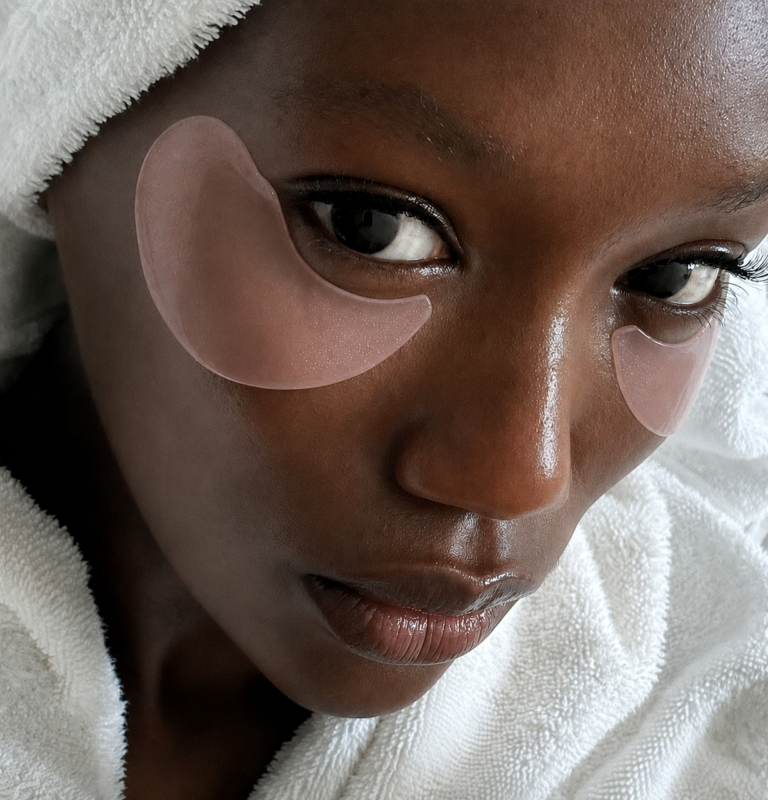
Under-eye darkness often worsens with iron deficiency. The reduced circulation and oxygenation makes the vascular darkness beneath the thin eye-area skin more visible.
Foundation that sits inconsistently, concealer that doesn’t seem to cover as well as usual, and colour correction that isn’t delivering the usual result are all makeup-specific signs worth connecting to the possibility of iron deficiency. The surface the makeup is going on has changed, not the formula.
Red meat, particularly beef and lamb, provides haem iron — the most bioavailable form, absorbed significantly more efficiently than plant-based iron sources.
Lentils, chickpeas, spinach, and fortified cereals provide non-haem iron. The absorption rate is lower, but pairing these foods with vitamin C — a glass of orange juice, a squeeze of lemon, some tomatoes — increases absorption considerably. For the full picture on eating for clearer skin: [What to Eat in Spring for Your Clearest, Glowiest Skin Yet].
Consistency across the week matters more than any single high-iron meal. Iron stores build gradually and deplete gradually, so regular intake is more effective than occasional high doses.
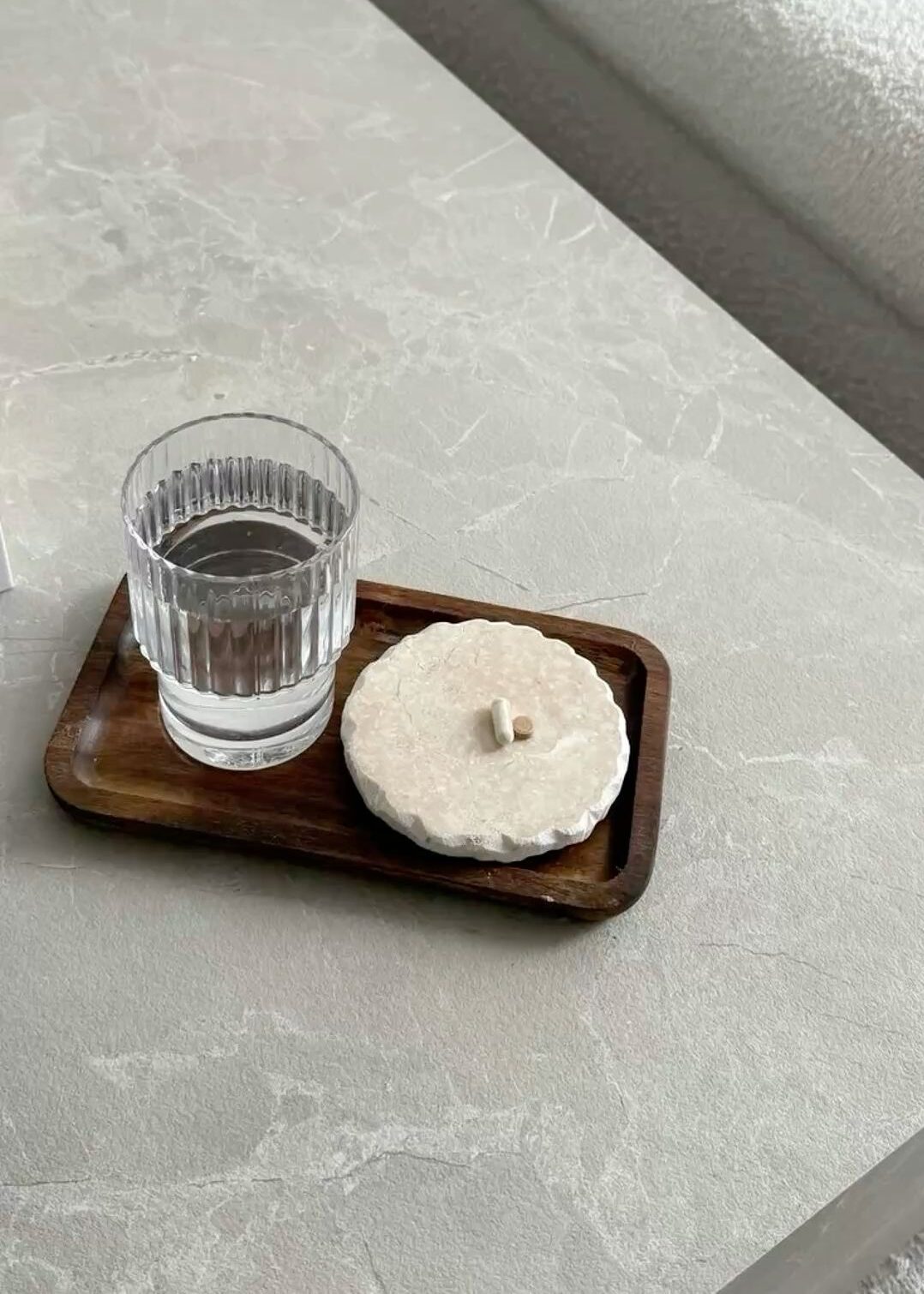
If dietary intake is limited or deficiency has been identified through bloodwork, supplementation is a practical and effective gap-filler. Ferrous sulphate is the most commonly prescribed form. Ferrous bisglycinate is gentler on the digestive system and suits anyone who finds standard iron supplements uncomfortable.
Testing before supplementing is important. Iron toxicity, while uncommon, is possible with high-dose supplementation without deficiency, and the symptoms of iron deficiency overlap with other conditions. A blood test confirms the picture before supplementing.
Iron stores take time to rebuild. Most people start to notice improved energy before skin changes become visible. Skin improvement — better colour, more even tone, reduced under-eye darkness — typically takes eight to twelve weeks of consistent treatment, whether dietary or supplemental.
The improvement tends to be cumulative rather than sudden. Skin that’s been iron-deficient for a while doesn’t flip overnight. For how other nutrient deficiencies compound the same dullness: [Is Chronic Stress Making Your Skin Dull?]
Publishing industries for previewing layouts and visual mockups.