






Related Posts





By Siena Brown • April 29, 2026 • 4 mins read


Some skin genuinely gets better with age — clearer, more even, more settled. This isn’t purely genetic. Diet is one of the most consistent variables in how skin ages visibly, and the nutritional habits that support it are specific and repeatable. Here’s what to prioritise for skin that holds up well over time.
Collagen, the structural protein responsible for skin firmness and elasticity, is produced in the body using nutrients from diet. Vitamin C is essential to collagen synthesis. Protein provides the amino acids that form the collagen structure itself. Zinc and copper support the enzymes involved in maintaining collagen integrity.
The skin barrier, which determines how moisture is retained and how well the skin resists environmental damage, depends on fatty acids from diet for its lipid structure. A diet consistently low in healthy fats produces a more permeable barrier — and a more permeable barrier ages faster.
Inflammation is the third major dietary lever. Chronic low-grade inflammation from a consistently pro-inflammatory diet accelerates the breakdown of collagen and elastin, contributes to uneven pigmentation, and produces the dullness that’s often mistaken for inevitable ageing.
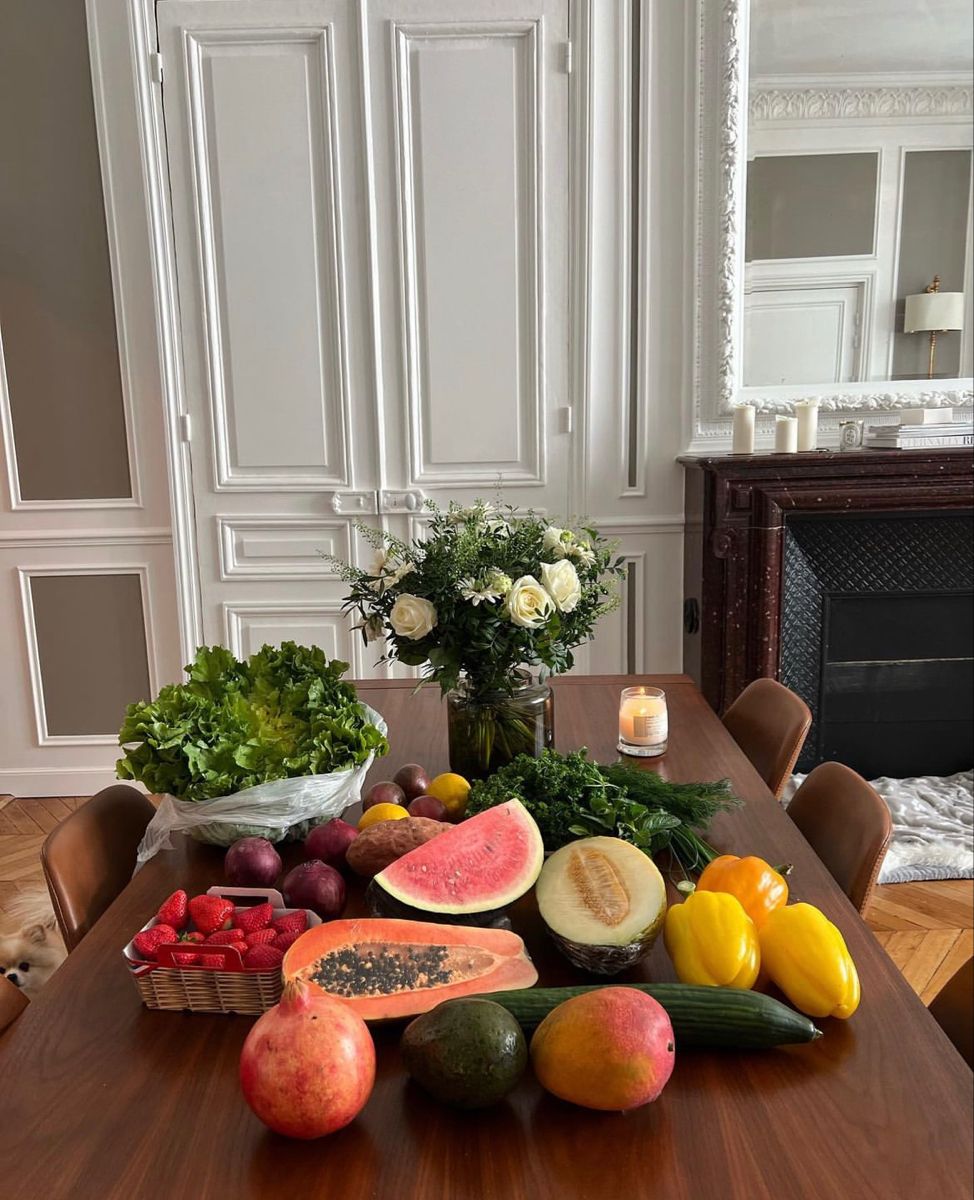
Vitamin C is non-negotiable. It’s both essential to collagen synthesis and a potent antioxidant that protects against the oxidative damage that accelerates visible ageing. Consistent dietary intake — citrus, berries, bell peppers, kiwi, leafy greens — supports collagen production in a way no topical vitamin C can fully replicate on its own.
Omega-3 fatty acids maintain the skin barrier’s lipid structure and reduce the inflammatory activity that breaks collagen down. For the full picture on omega-3s and barrier function: [Omega-3 and Your Skin Barrier for Makeup Lovers].
Protein provides the amino acids that form structural proteins. Consistently adequate protein intake — from a variety of sources — ensures the building blocks for collagen and elastin are available as the body repairs and renews skin tissue.
Zinc supports wound healing and regulates the enzyme activity involved in maintaining skin structure. It also reduces sebum production, which means skin that stays clearer and less congested as hormones shift with age.
Oily fish two to three times a week provides EPA and DHA omega-3s directly, without the conversion loss that comes from plant sources. Colourful vegetables — particularly orange, red, and dark green varieties — provide the antioxidants that protect against oxidative ageing. Berries provide anthocyanins, antioxidants with specific evidence for supporting skin tone and reducing UV-related oxidative damage.
Nuts and seeds, particularly walnuts, flaxseed, and chia, provide ALA omega-3s and vitamin E, another fat-soluble antioxidant that supports skin barrier integrity. Legumes provide plant protein, zinc, and iron alongside fibre that supports the gut health increasingly linked to skin clarity.
These aren’t exotic or expensive foods. They’re consistent, practical choices built into a regular week rather than occasional additions.
Sugar and high-glycaemic foods accelerate glycation — the process where sugar molecules bind to collagen and elastin fibres, making them stiffer and more prone to the wrinkling and loss of elasticity that characterises aged skin. Reducing added sugar and high-glycaemic processed foods is one of the highest-impact dietary changes for skin that ages well.
Alcohol dehydrates the skin, disrupts sleep, and produces inflammatory compounds that break collagen down over time. Occasional consumption produces minimal long-term effect. Consistent heavy consumption accumulates into visible skin ageing over years.
Ultra-processed food in large quantities displaces the nutrient-dense foods that skin needs. It’s less about any single ultra-processed ingredient being harmful and more about what it crowds out of the diet over time.
Skin that ages well needs less corrective coverage. Better collagen structure means fewer lines for foundation to settle into. More even tone means less colour correction work before the base. Consistent hydration and barrier integrity means foundation holds longer and looks more natural throughout the day.
The return on consistent nutritional habits is visible in makeup performance as much as in bare skin — and it compounds across years rather than weeks. For the direct connection between diet and daily base makeup: [How What You Eat Affects Your Base].
Publishing industries for previewing layouts and visual mockups.