



Related Posts




By Anisa Kauser • October 23, 2025 • 4 mins read


Body care remains the most neglected category in beauty routines, despite skin below the neck comprising roughly 90% of your body’s surface. The fundamentals mirror facial skincare—cleansing, exfoliation, moisture barrier maintenance—but execution differs based on skin thickness and sebum distribution.
The question isn’t whether to exfoliate, but how frequently and through which method.
Physical exfoliation (scrubs, brushes, gloves) works effectively 2-3 times weekly. Daily scrubbing compromises the barrier and creates the dryness you’re trying to address.
Chemical exfoliation uses AHAs for surface texture or BHAs for body acne and keratosis pilaris. Apply post-shower to dry skin. Chemical exfoliants increase photosensitivity—SPF application to exposed areas is essential.
Enzyme exfoliants offer the gentlest option for sensitive skin that can’t tolerate acids or friction.
Water above 110°F strips natural lipids. Keep temperature between 98-105°F to cleanse effectively while maintaining barrier integrity.
Sulfate-free, pH-balanced cleansers preserve the skin’s natural pH. Look for formulations with glycerin or hyaluronic acid that cleanse without stripping. For hard water areas, shower filters reduce mineral buildup that causes irritation.
Korean Italy towels provide intensive exfoliation but are limited to monthly use. Silicone brushes offer hygienic daily cleansing—more practical than loofahs, which retain bacteria.
Apply moisturiser to damp skin within three minutes post-shower while pores remain dilated. This traps water rather than coating dry surface. Waiting until fully dry means applying to a closed barrier that won’t absorb effectively.
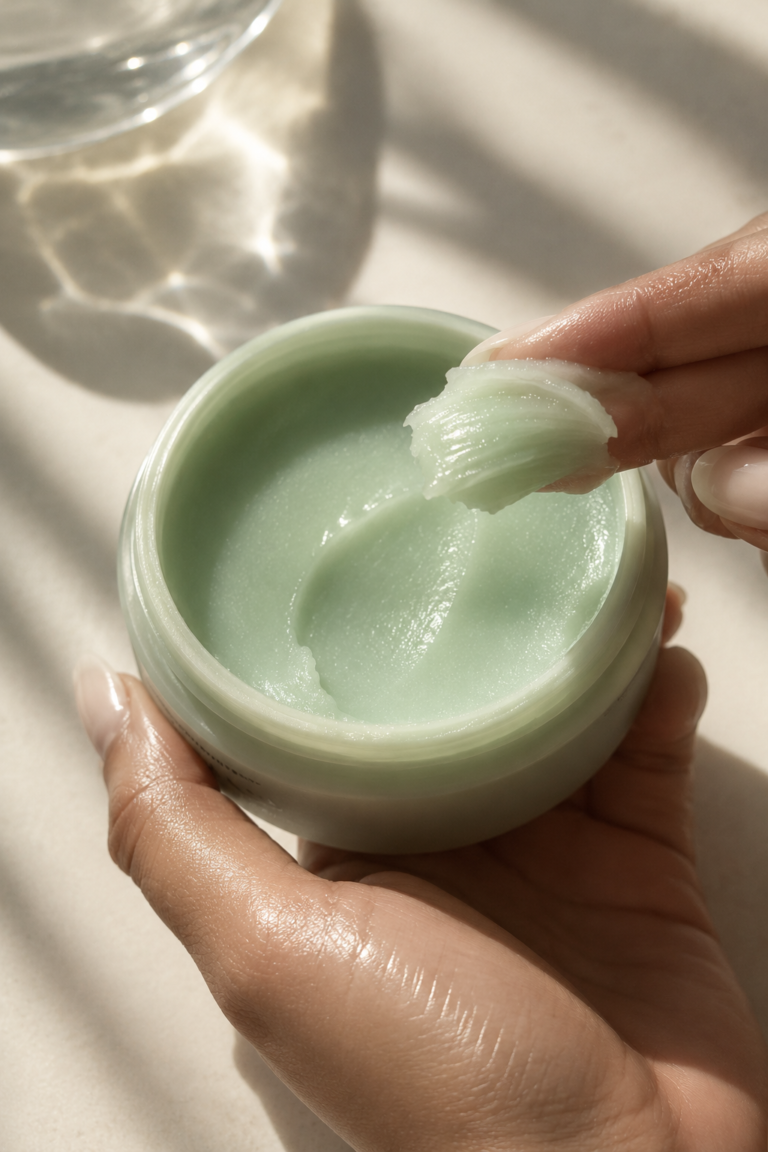
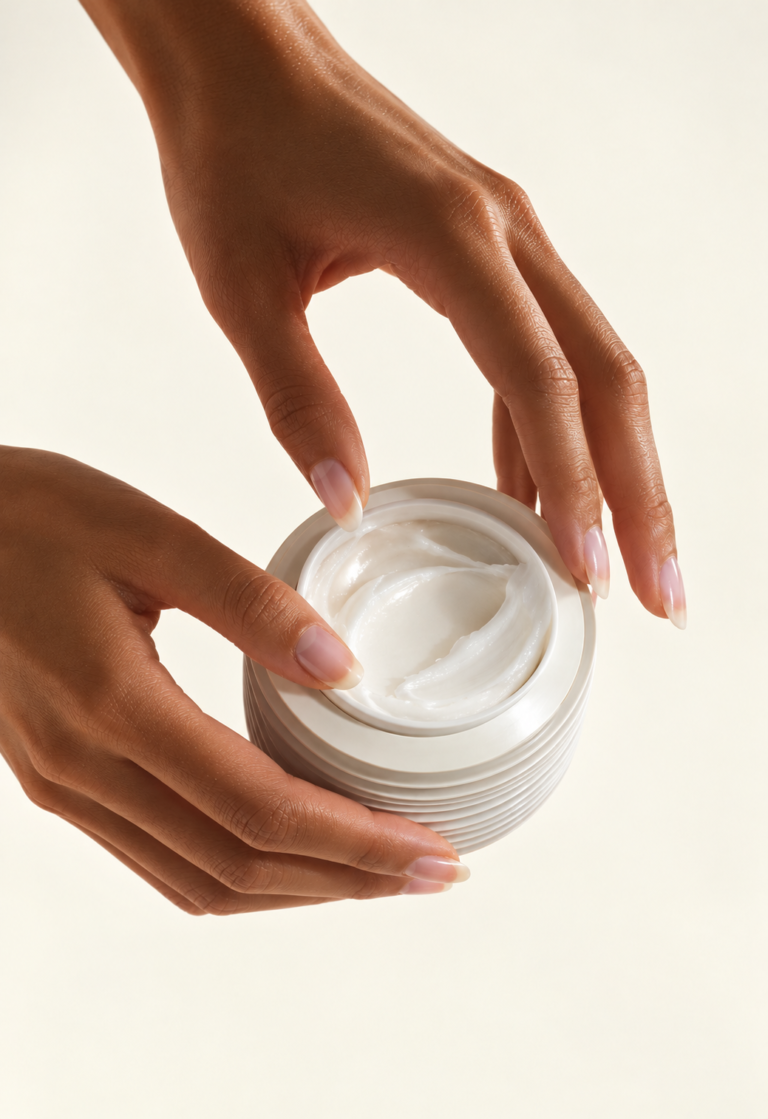
Texture hierarchy: Lotions for normal skin or humid climates. Creams for daily use across most types. Butters for very dry areas or winter. Oils as sealants—not moisturisers themselves.
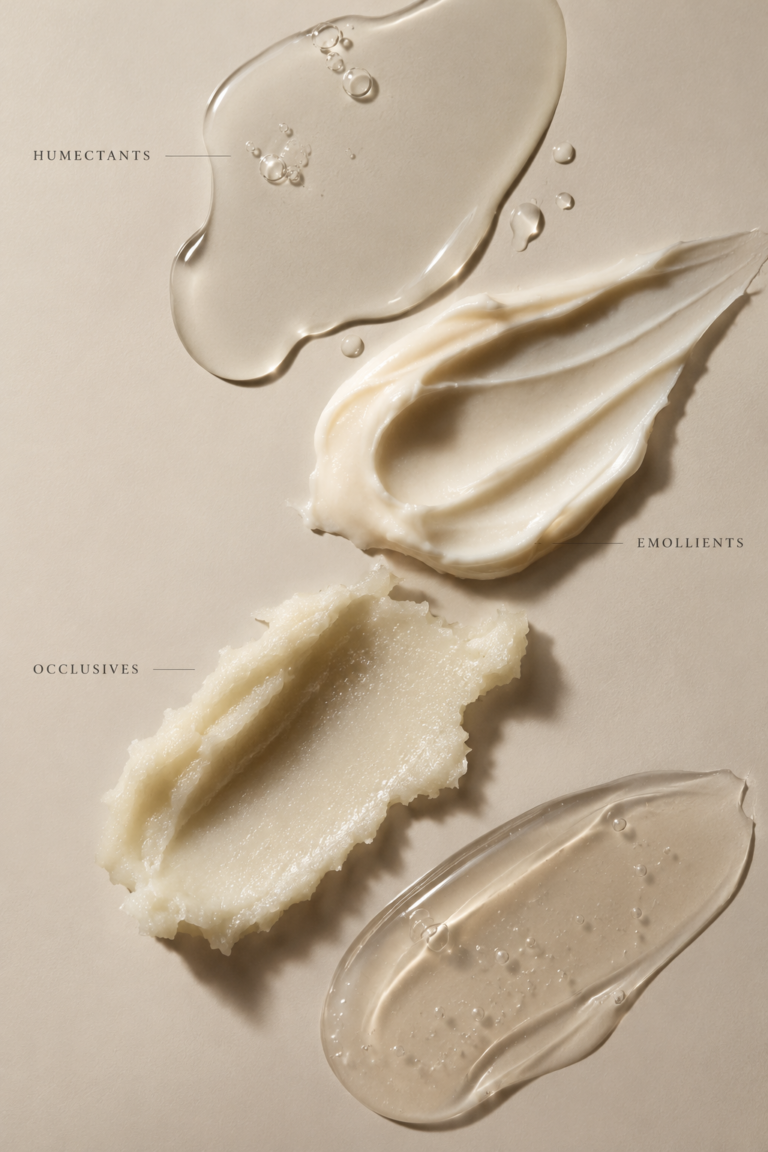
Oils don’t provide hydration; they prevent water loss. Apply over damp skin or layer over cream. Using oil alone on dry skin creates a barrier without adding moisture—the common error that leaves skin coated but dehydrated.
Functional ingredients worth noting: Hyaluronic acid (attracts moisture), ceramides (repair barrier), glycerin (humectant), shea butter (intensive nourishment).
Adjust formulation weight seasonally. Intensive treatments on hands and feet work best at night during natural repair cycles.
Daily: Natural bristle dry brush (replace every 6-12 months), silicone body brush, exfoliating gloves
Monthly: Korean Italy towel for deep exfoliation
Storage: Shower caddy with drainage holes prevents product deterioration and bacterial growth.
Daily (5 minutes): Cleanse, apply cream to damp skin, focus on typically dry areas
2-3 times weekly: Add exfoliation before moisturising
Weekly: Intensive hand and foot treatment overnight
The most effective routine is the one maintained consistently. Start with daily moisturiser within three minutes of showering—this single habit creates the most noticeable improvement over time.
Publishing industries for previewing layouts and visual mockups.