





Related Posts



By Siena Brown • April 13, 2026 • 3 mins read



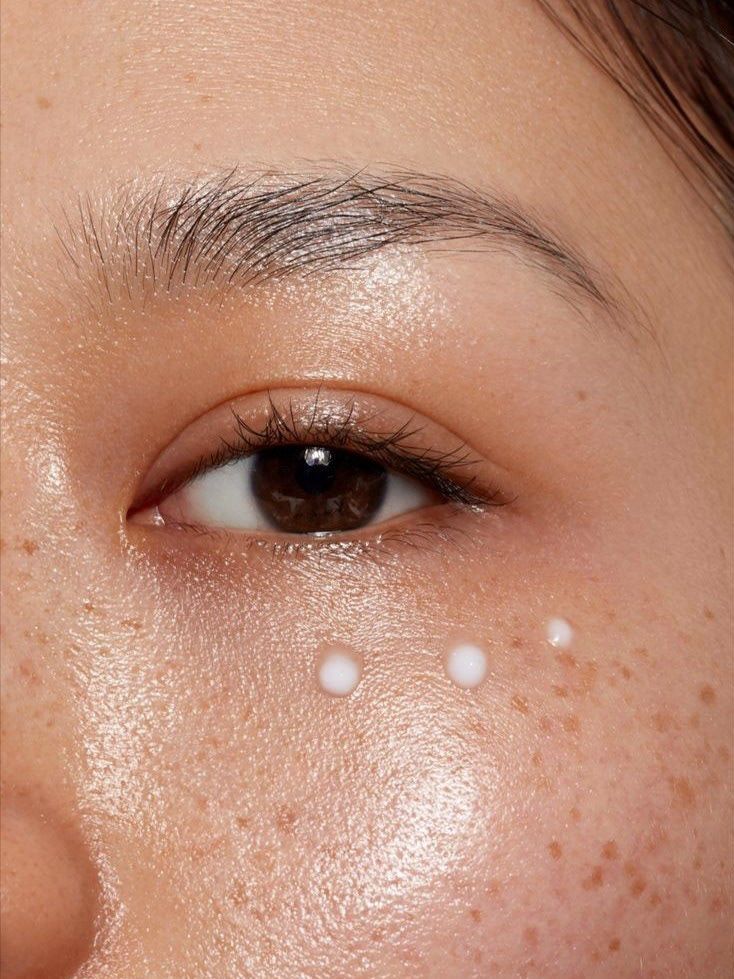
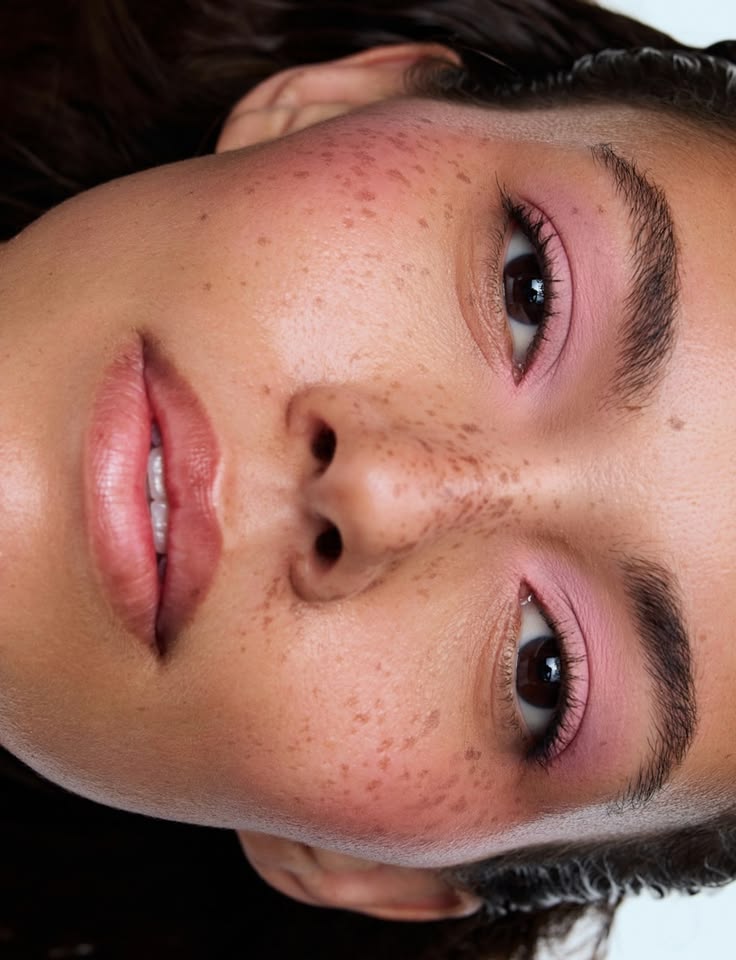
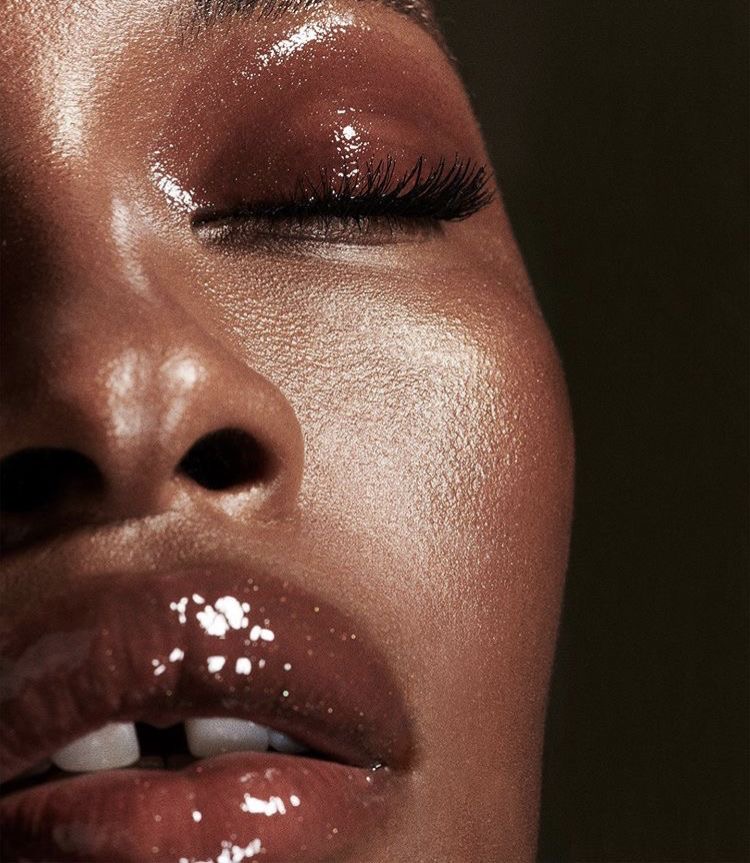
A dewy finish works by reflecting light off a hydrated, smooth skin surface. In summer, that surface changes. Heat increases oil production, and oil on top of a dewy base changes the quality of the reflection from a fresh, luminous glow to a flat, greasy shine.
Humidity adds moisture from the air that interacts with makeup throughout the day, further disrupting the controlled dewy finish that worked at application. The goal in summer isn’t to abandon the dewy look — it’s to build it in a way that stays stable in these conditions.
A dewy summer base needs hydration underneath without excess surface oil on top. A lightweight gel moisturiser hydrates without adding weight or creating a slippery surface that moves foundation around.
SPF in a fluid or lightweight formula rather than a rich cream completes the base without adding oil. Allow full absorption — at least five minutes — before anything else goes on. Dewy foundation applied over a properly absorbed base behaves completely differently from the same formula applied over SPF that’s still active on the surface. For the full prep approach: [What Skipping Skin Prep Does to Your Makeup].
Skin tints and serum foundations with a natural or dewy finish hold up better in summer heat than heavy dewy formulas, which tend to slip as oil production increases. The lighter the formula, the less product there is to move.
Building coverage with a lighter formula in targeted areas — using concealer where you need more coverage rather than layering foundation — produces a more consistent dewy finish through the day than a uniformly heavy base.
Targeted powder placement is the single most effective technique adjustment for a summer dewy base. A small amount of finely milled translucent powder pressed only into the T-zone — forehead, nose, and chin — controls oil in the areas most prone to breaking down the finish without flattening the cheeks and the areas where the dewy look reads best.
Blotting papers manage shine through the day without disturbing the base. Press rather than wipe to remove excess oil without shifting what’s underneath. Avoid reapplying powder all over — this builds product and loses the dewy quality of the finish.
Cream highlight on the tops of the cheekbones, set lightly with a dusting of illuminating powder, creates a dewy glow that’s more controlled than liquid highlight alone and holds better in heat. Avoid applying highlight to the T-zone or any area already prone to oiliness — it amplifies rather than controls. For keeping the whole base intact through summer heat: [How to Make Your Makeup Survive Heat, Sweat and Humidity].
Publishing industries for previewing layouts and visual mockups.