


Related Posts




By Siena Brown • April 10, 2026 • 3 mins read


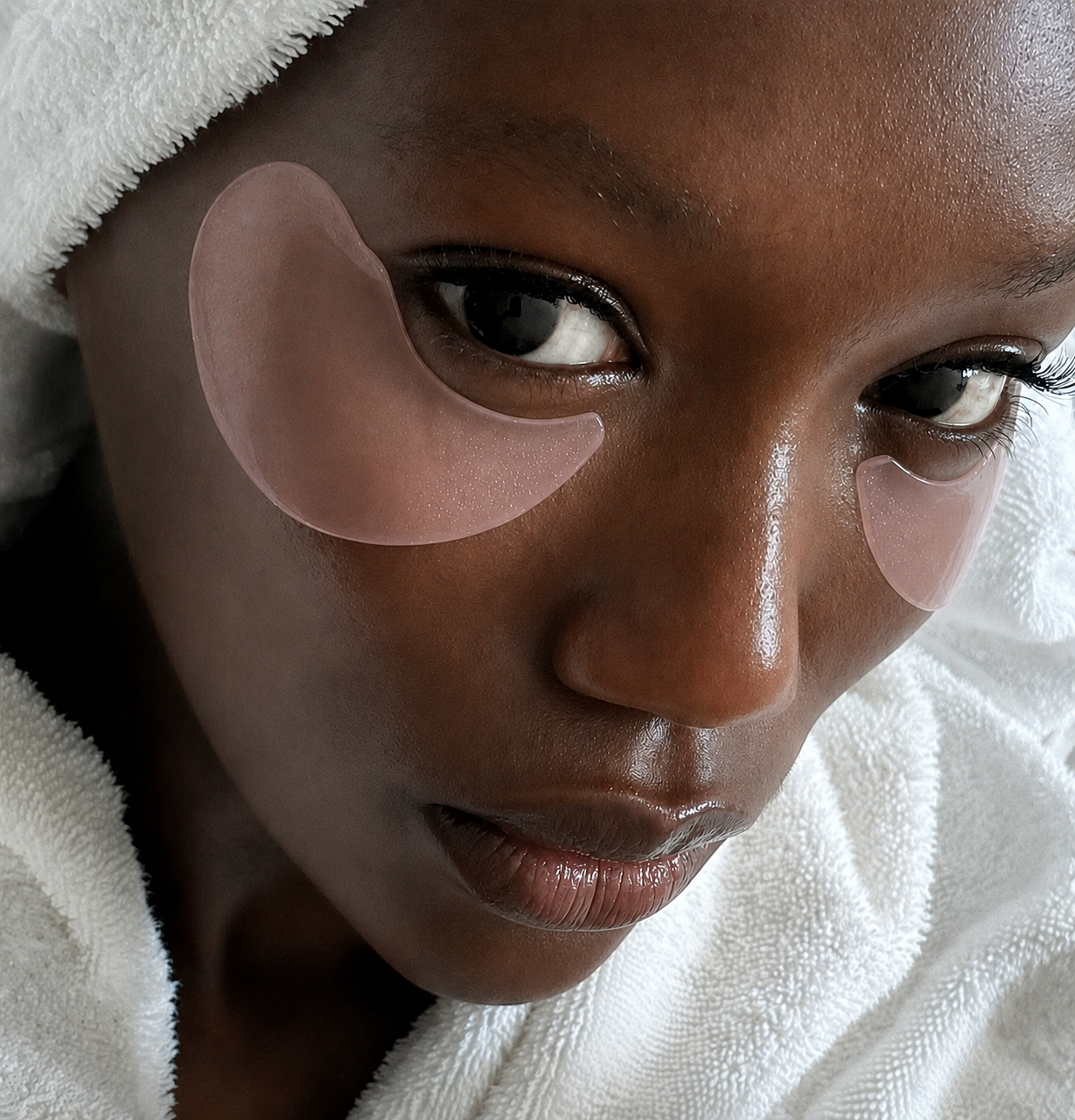
Most people know screens affect sleep. Fewer realise how screen time affects skin, but the link is direct. Blue light exposure, disrupted sleep, increased stress, and the postural habits that come with long screen days all have visible effects. Here’s what’s actually happening and what’s worth changing.
High-energy visible light, known as HEV or blue light, is emitted by screens, LED lighting, and the sun. The research on screen-level blue light and skin is still developing, and the amounts emitted by devices are significantly lower than solar HEV exposure.
What’s more established is that blue light in larger quantities contributes to oxidative stress in skin cells and can exacerbate hyperpigmentation, particularly in deeper skin tones where melanin production is already more active. At screen-use levels, the direct effect is modest. The indirect effects through sleep disruption are considerably more significant for most people.
Evening screen use suppresses melatonin production, which delays sleep onset and reduces the proportion of deep sleep. Deep sleep is when the most significant skin repair happens — cell turnover accelerates, cortisol drops, and the barrier rebuilds.
Consistently shortened or disrupted deep sleep compounds over time into the dull, puffier, more reactive skin that most people associate with tiredness. The screens themselves aren’t the primary cause. The sleep disruption they contribute to is.
High-stimulation screen environments, particularly social media and news, maintain an elevated stress state that keeps cortisol raised throughout the day and into the evening. Elevated cortisol drives oil production, inflammation, and collagen breakdown — all of which show up in skin over time.
The loop is self-reinforcing. Screen time raises cortisol, cortisol disrupts sleep, disrupted sleep raises baseline cortisol further. Skin sits in the middle of this cycle and shows the cumulative effect, which is often what chronic stress does to dull skin.
An antioxidant serum in the morning — vitamin C specifically — provides some defence against oxidative stress from both UV and HEV light and supports more even tone over time.
Evening screen habits matter more than what you do in the morning. Dimming screens two hours before bed, switching to warmer-toned display settings, and replacing high-stimulation content with lower-stimulation alternatives in the final hour allows cortisol to drop and melatonin to rise on schedule. Pair these with the rest of your wind-down evening ritual, and your skin gets the full benefit.
A screen-free window before sleep isn’t always realistic, but reducing the stimulation level of evening screen use is a more achievable and still meaningful change for most people.
Publishing industries for previewing layouts and visual mockups.