


Related Posts



By Siena Brown • October 21, 2026 • 4 mins read


If you’ve been thinking about introducing a retinoid, exfoliating acid or booking a professional peel, autumn can be a particularly good time to start.
There’s a reason many skin clinics recommend waiting until the cooler months for stronger treatments. With shorter days and generally less intense UV exposure than the height of summer, it can be easier to manage a routine that requires a little more care around sun exposure.
That doesn’t mean you can forget your SPF once autumn arrives. Daily sunscreen is still important. But for many people, autumn offers a more manageable window to gradually step up their skincare.
During summer, we tend to spend more time outdoors, travel more and experience greater UV exposure. If you’re using stronger exfoliating ingredients or having professional treatments, being particularly careful about sun exposure becomes even more important.
By autumn, those long, bright days are behind us. That can make it easier to introduce ingredients that may leave your skin temporarily more sensitive, particularly if you’re also able to be more consistent with sun protection and avoiding prolonged direct sunlight.
It can also be a useful time to reassess your skin after summer. If you’re noticing uneven tone, dark marks, rougher texture or simply want to refresh your routine, autumn gives you an opportunity to start making changes gradually.
The biggest mistake is often trying to change everything at once.
If you want to introduce a retinoid, for example, you don’t also need to add a strong AHA, BHA and several new serums in the same week. Your skin needs time to adjust, and introducing products one at a time makes it much easier to work out what is and isn’t agreeing with you.
Start with one active that matches your main concern and use it slowly. Depending on the ingredient and product, that might mean beginning once or twice a week before gradually increasing frequency.
More isn’t necessarily better. Consistency usually matters more than having the most complicated routine.
The right choice depends on what you want to achieve.
Retinoids are popular for improving the appearance of fine lines, uneven texture and breakouts, while also supporting a more even-looking complexion over time.
AHAs, such as glycolic or lactic acid, can help improve the appearance of dullness and uneven texture by exfoliating the surface of the skin.
BHAs, particularly salicylic acid, are often useful for congested or blemish-prone skin.
Azelaic acid can be a versatile option for people concerned with blemishes, redness or uneven pigmentation and is often considered a gentler alternative to some stronger exfoliating approaches.
Vitamin C is another popular addition for antioxidant protection and brighter-looking, more even-toned skin.
You don’t need all of them. Choose the one that makes the most sense for your skin and build from there.
Stronger actives work best when your skin is comfortable and well supported.
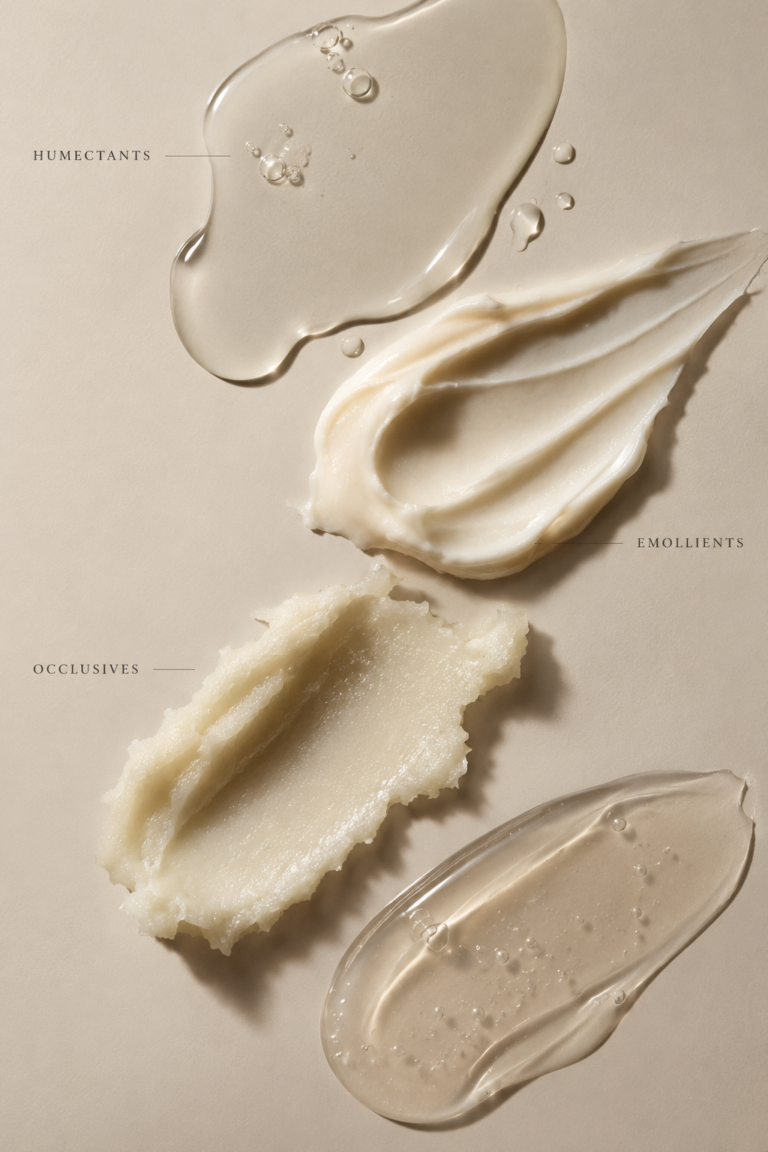
Keep the rest of your routine relatively simple while your skin adjusts. A gentle cleanser, moisturiser and daily SPF can provide the foundation, while ingredients such as humectants, emollients and occlusives can help support comfortable, hydrated skin.
If your skin is already dry, irritated or compromised, autumn isn’t necessarily the moment to pile on stronger products. Give your skin some time to settle first.
Less intense sunlight doesn’t mean no UV exposure.
Continue using a broad-spectrum SPF every day, particularly if you’re using exfoliating acids, retinoids or having professional treatments. If you’re spending extended periods outdoors, follow the product’s or professional’s advice around reapplication and sun protection.
The goal isn’t to stop protecting your skin in autumn. It’s to take advantage of a season when managing your overall sun exposure can be a little easier.
Some mild dryness or adjustment can happen with certain active ingredients, but persistent burning, significant redness, painful irritation or excessive peeling is a sign to take a step back.
If your skin becomes uncomfortable, simplify your routine and give it time to recover rather than trying to push through.
And if you’re considering a professional peel or a prescription-strength treatment, speak with a qualified professional first. They can assess your skin and advise you on the right treatment, strength and timing.
Autumn doesn’t mean you need to completely overhaul your skincare routine. Instead, think of it as a good opportunity to introduce one well-chosen active and give it time to work.
With a gradual approach, supportive moisturisation and consistent SPF, the cooler months can be a great time to step up your skincare — without overwhelming your skin in the process.
Publishing industries for previewing layouts and visual mockups.