



Related Posts



By Siena Brown • April 22, 2026 • 3 mins read

Most colour correcting advice was written with lighter skin tones in mind. The shades are wrong, the placement is off, and the results don’t translate. Colour correcting for darker skin tones follows different rules — and once you understand them, getting an even, flawless base becomes significantly easier.
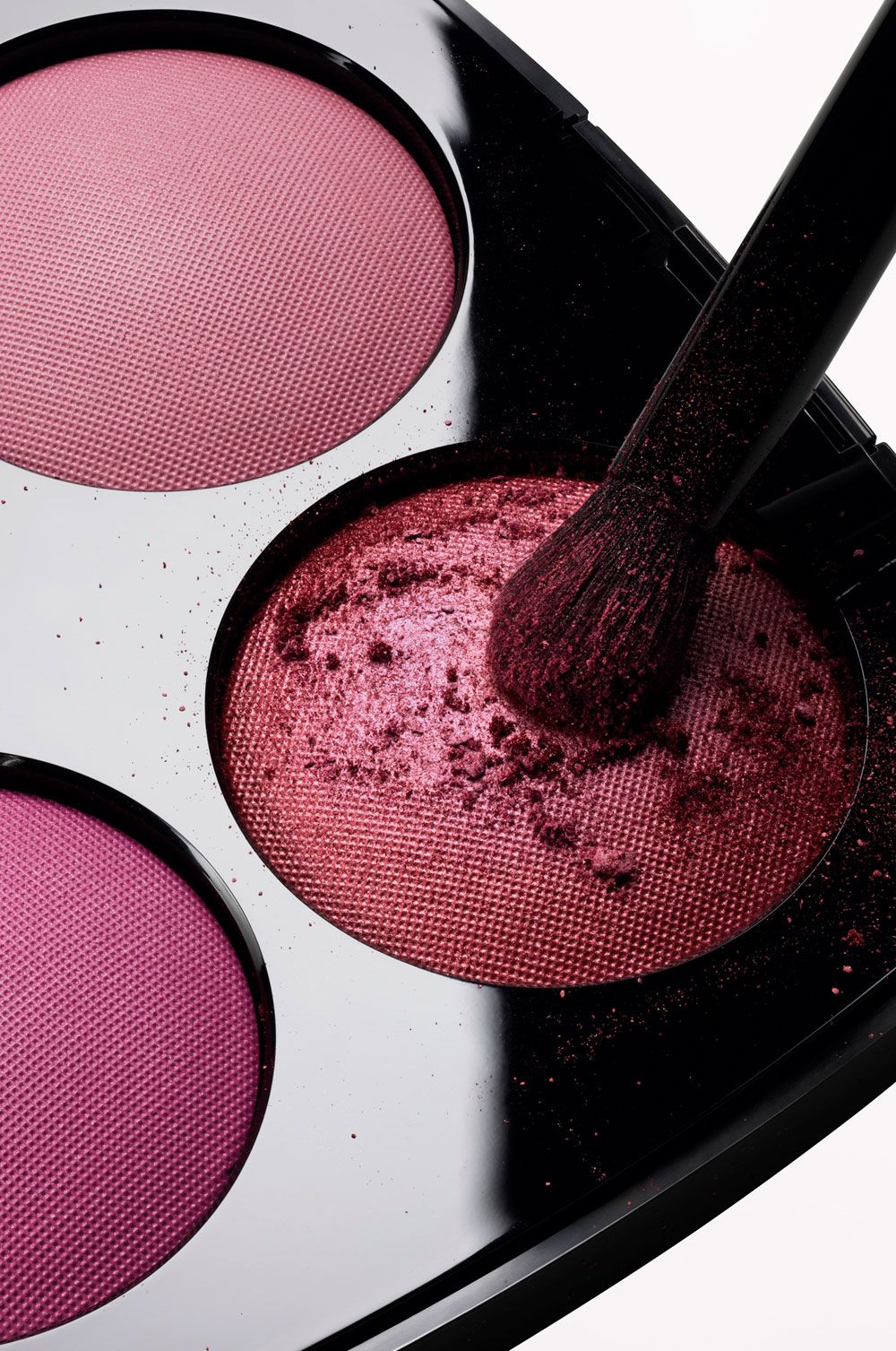
Colour correcting works on the principle that opposite colours on the colour wheel cancel each other out. You apply a corrector to neutralise a specific concern before foundation goes on top. The result is a more even base that your foundation doesn’t have to work as hard to cover.
On deeper skin tones, the concerns are different and the corrector shades need to be more pigmented to show up and do their job. A standard peach corrector designed for fair skin won’t do anything on a deeper complexion. The shades need real depth and warmth to be effective.
Dark circles and dark spots are the two most common concerns for deeper skin tones, and warm correctors are what address them. The blue and purple tones in dark circles and hyperpigmentation are cancelled out by their opposites — rich peach, orange, and red-orange depending on how deep your skin tone is.
For medium-deep skin tones, a rich peach or burnt orange is the starting point. For deeper complexions, a true orange works best. For very deep skin tones, a red-orange gives the most effective neutralisation before foundation is applied on top.
Apply with a flat concealer brush directly onto the area. Tap rather than blend so you’re pressing the colour in rather than moving it around. Let it set for thirty seconds before applying foundation or concealer over the top.
The same warm correctors that work on dark circles work on post-inflammatory hyperpigmentation and dark spots. Melanin-rich skin is more prone to producing excess pigment after breakouts, sun exposure, or skin trauma. These dark patches have blue and grey undertones that orange and rich peach directly cancel.
Yellow correctors brighten dull or tired-looking skin and neutralise any grey cast across the face. They work particularly well in the inner corners of the eye and across the centre of the face where dullness tends to show up most.
On deeper skin tones, a deep golden-yellow works better than a pale yellow. You need saturation for it to be visible and effective under foundation.
Yellow correctors are useful for brightening dull or tired-looking skin and for neutralising any purple or grey cast that can appear across the face. They work particularly well in the inner corners of the eye and across the centre of the face where dullness tends to show up most.
On deeper skin tones, a deep golden-yellow works better than a pale yellow. A pale yellow will sit on the skin without doing much — you need saturation for it to be visible and effective under foundation.
Dark circles: rich peach to red-orange depending on depth of skin tone. Dark spots and hyperpigmentation: orange applied precisely to the area. Dullness and grey cast: deep golden-yellow across the centre of the face.
Start with one corrector and get comfortable with it before adding others. Orange is the most transformative for darker skin tones and the best place to begin.
Publishing industries for previewing layouts and visual mockups.