




Related Posts




By Siena Brown • April 8, 2026 • 4 mins read


A damaged skin barrier is one of the most common skincare problems, and one of the most frequently misread. On deeper skin tones the signs can look different from the textbook descriptions — and that means they often get missed or misattributed. Here’s exactly what to look for and how to start repairing it.
The skin barrier is the outermost layer of the skin, responsible for keeping moisture in and irritants, pollutants, and bacteria out. When it’s functioning well, skin feels comfortable, stays hydrated through the day, and tolerates products without reacting.
When it’s damaged, those functions break down. Moisture escapes more quickly, irritants penetrate more easily, and the skin becomes reactive to things it previously tolerated without issue. Everything applied on top of a damaged barrier — skincare or makeup — performs worse than it should.
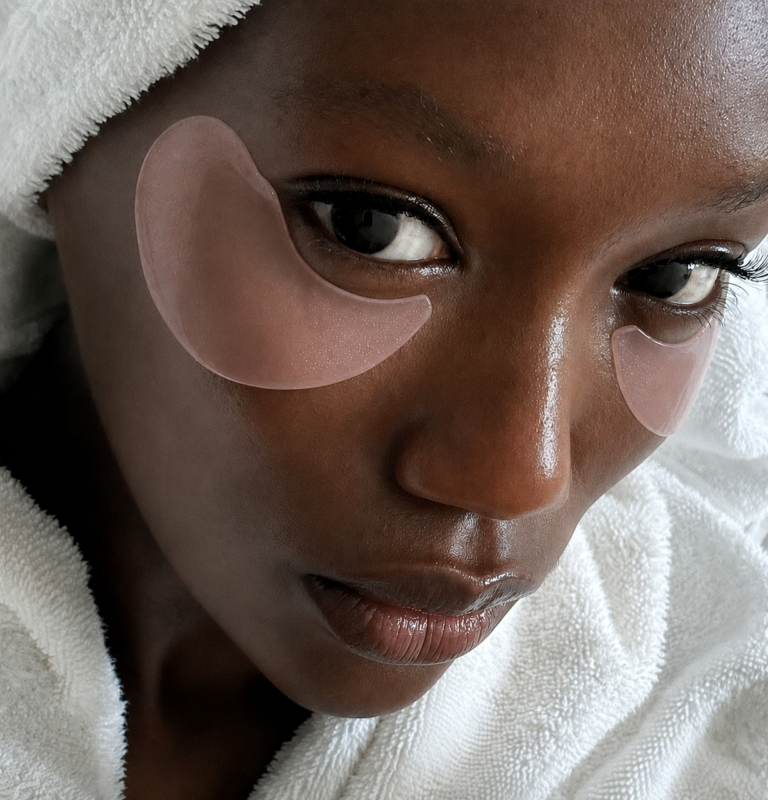
On deeper skin tones, a damaged barrier often presents as ashiness rather than the visible redness or flaking that tends to be described in general guidance. Skin that looks grey, flat, or lacking warmth even when moisturised is often showing a compromised barrier rather than just dehydration.
Tightness is another consistent sign — skin that feels uncomfortable after cleansing, or that tightens again quickly after moisturiser is applied. The moisturiser isn’t failing. The barrier isn’t retaining what’s being put in.
Uneven texture that wasn’t previously there, increased sensitivity to products that previously caused no reaction, and a complexion that looks more uneven or patchy than usual are all signs worth paying attention to on any skin tone. On deeper complexions specifically, increased ashiness or greyness is usually the first and most visible indicator.
Over-exfoliation is the most common cause. Using acids and physical exfoliants too frequently or in combination disrupts the lipid layer that holds the barrier intact. The damage is cumulative and often not immediately obvious. For more on getting exfoliation frequency right: [How to Exfoliate Without Damaging Your Skin].
Harsh or stripping cleansers remove the natural oils that support barrier function. Foaming cleansers with surfactants that feel very squeaky-clean are worth reconsidering if the barrier is already struggling.
Over-active routines — too many actives, too frequently — are the third most common cause. Vitamin C, retinoids, and acids all have a place in a routine, but stacked at high frequency without adequate barrier support between uses depletes resilience over time.
Simplify. Pause actives, strong acids, and any product that’s been causing sensitivity. The repair routine needs to be gentle, consistent, and focused on barrier-supporting ingredients.
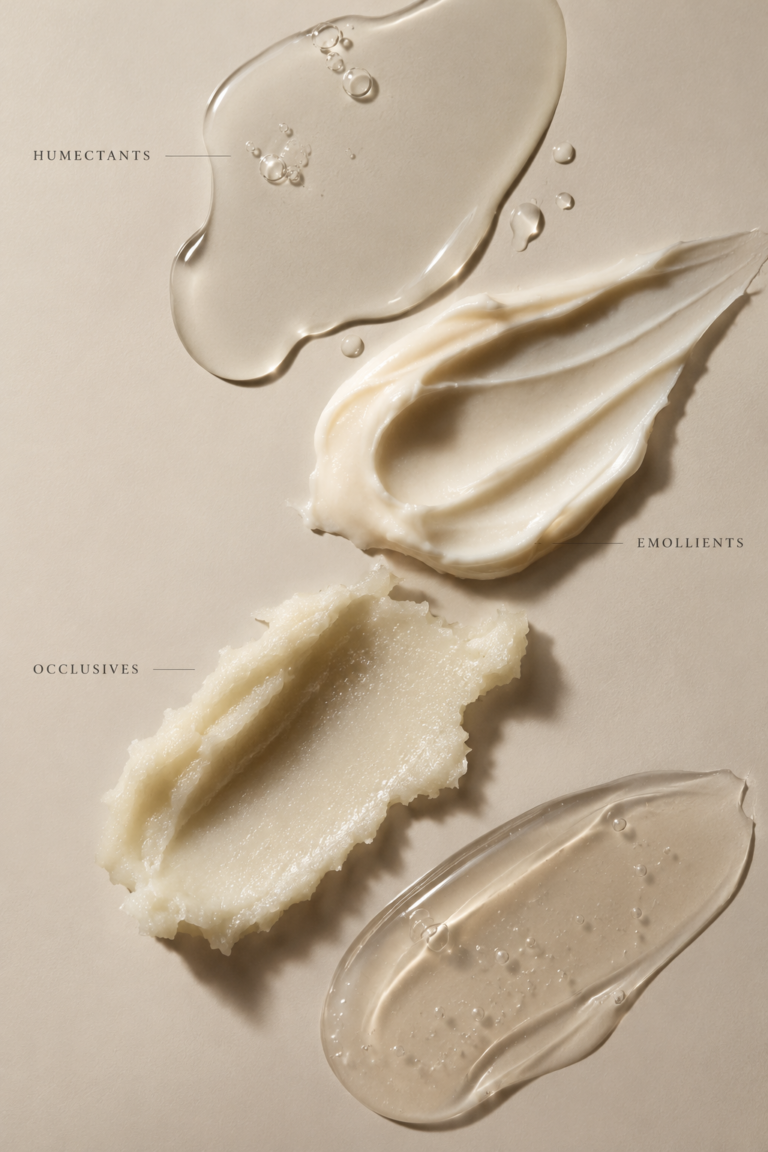
Ceramides, peptides, and fatty acids are the priority. These are the building blocks the barrier needs to rebuild. A gentle cleanser, a ceramide moisturiser, and SPF is enough during the repair phase. Nothing else is necessary. For the full approach: [Build a Minimalist Barrier Routine for Stronger Skin].
Give it two to four weeks of this simplified routine before reintroducing anything else. Skin signals readiness by feeling more comfortable, less reactive, and more consistently hydrated.
A damaged barrier changes how makeup interacts with the skin in specific, noticeable ways. Foundation that usually sits smoothly starts to look uneven or patchy. Concealer grabs at areas of roughness or dryness rather than blending cleanly. Products cause irritation or redness that wasn’t there before.
The makeup drawer isn’t the problem in these situations. The barrier is. Repairing the barrier before troubleshooting formulas or techniques is always the more effective sequence. For the prep approach that works on a healing barrier: [What Skipping Skin Prep Does to Your Makeup].
Publishing industries for previewing layouts and visual mockups.