


Related Posts




Face primer has been marketed as the essential step between skincare and foundation for long enough that skipping it can feel like cutting a corner. But plenty of people achieve flawless, long-lasting makeup without one. Whether you actually need a face primer depends on what you’re trying to achieve — and whether your current skincare routine is already doing that job. Here’s the honest answer.
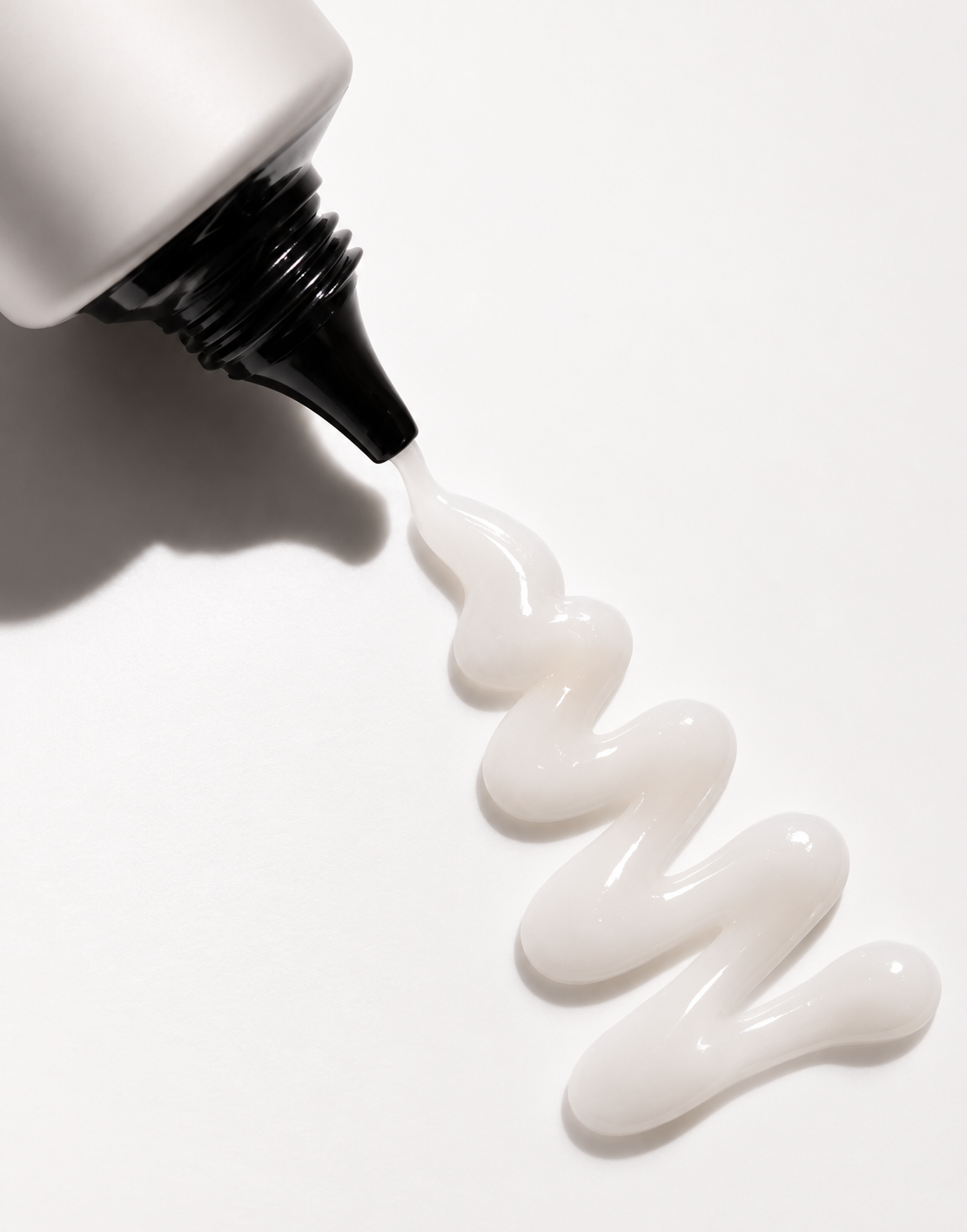
Primer serves several different functions depending on the formula, and understanding which one you’re actually buying for is the most useful starting point.
Adhesion primers create a surface that foundation grips onto more effectively. Pore-minimising primers fill the appearance of enlarged pores with silicone. Oil-control primers absorb excess sebum before foundation goes on and extend how long the base holds. Colour-correcting primers neutralise redness or dullness before colour goes on top. Hydrating primers add a layer of moisture between skincare and foundation.
If your skincare prep is consistent — cleanser, toner or essence, moisturiser, SPF absorbed before foundation — and your foundation holds through the day without significant breakdown, you probably don’t need a primer.
Good skincare prep already does most of what primer is credited for. A hydrating toner creates adhesion. A well-absorbed moisturiser smooths the surface. An SPF with a light, even finish gives foundation something consistent to sit on. For skin that doesn’t have specific oil control or longevity problems, adding a primer to an already-working routine adds a step without adding a meaningful result.
Shorter wear days, comfortable skin types, and foundation formulas specifically designed to adhere without primer are all situations where skipping primer is a completely reasonable choice. If your makeup is doing what you need without primer, you don’t need it.
Oily skin that breaks down foundation within a few hours is the clearest use case for primer. An oil-control primer creates a mattifying barrier that significantly extends wear time in ways that SPF alone doesn’t. On genuinely oily skin, this is a meaningful functional addition rather than an extra step for its own sake.
Long wear days — twelve or more hours, events, or high-heat situations — benefit from the extra adhesion a primer provides regardless of skin type. When foundation needs to hold significantly longer than usual, primer earns its place.
Specific texture concerns that skincare doesn’t fully address before makeup — enlarged pores, persistent redness, significant dryness — can be better managed with a targeted primer than with a heavier foundation formula. A pore-minimising primer before foundation produces a smoother result than increasing foundation coverage does.
The steps most people skip in their skincare routine are the ones that primer is then brought in to compensate for. A hydrating toner applied immediately after cleansing creates a first layer of moisture that improves adhesion as effectively as most hydrating primers. A well-absorbed SPF moisturiser gives foundation a consistent, even surface to grip.
The absorption time between skincare and foundation is the most commonly skipped step and the one that makes the most difference. Foundation applied over SPF that hasn’t absorbed pills and moves. Foundation applied over SPF that’s had five minutes to settle adheres cleanly without a primer needed in between. For the full skin prep sequence that removes the need for most primers: [What Skipping Skin Prep Does to Your Makeup].
Match the primer to the specific problem rather than buying a universal option. Universal primers tend to be mediocre at everything rather than excellent at one thing.
Oily skin and longevity concerns: look for oil-control or mattifying formulas. Dry skin and adhesion concerns: look for hydrating primers with glycerin or hyaluronic acid. Texture concerns: look for silicone-based pore-filling formulas applied only to the areas that need them. Redness: a colour-correcting green-tinted primer applied specifically to red areas before foundation. For the full guide to primers by skin type and concern: [The Best Primers for Every Skin Type and Concern].
Primer isn’t a non-negotiable. It’s a targeted tool for specific needs. If your skincare prep is solid and your foundation is holding, you don’t need one. If something specific isn’t working in your base, a primer chosen for that problem is worth trying. Good skincare prep and the right foundation formula make primer optional for most people and essential for fewer than the marketing suggests.
Publishing industries for previewing layouts and visual mockups.