





Related Posts

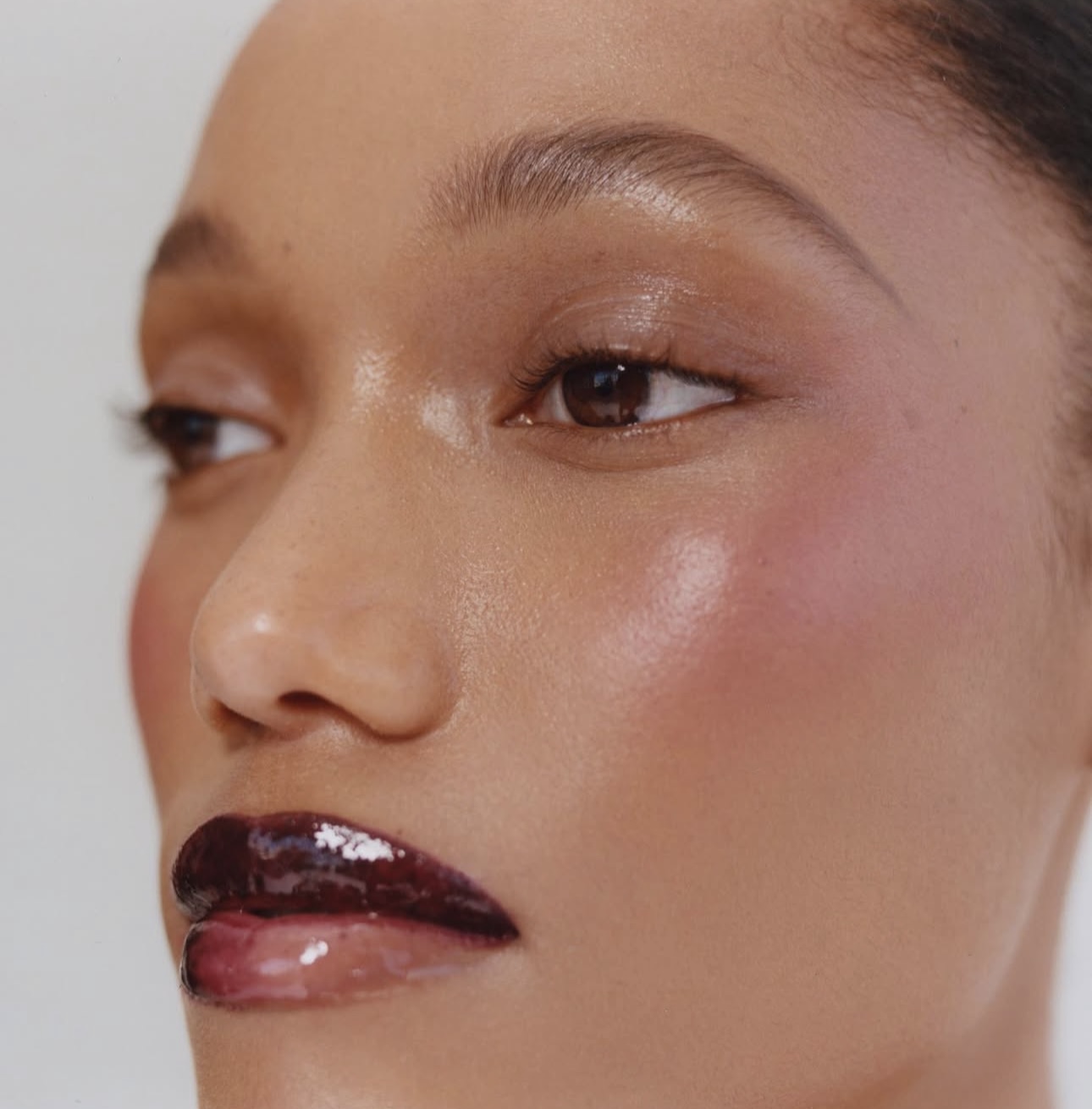



By Siena Brown • May 13, 2026 • 4 mins read



Dehydrated skin is one of the most common reasons a base doesn’t sit properly — and one of the most misunderstood. It’s not the same as dry skin. Dehydration is a temporary condition caused by a lack of water in the skin, not a lack of oil. It can affect any skin type including oily skin. Knowing how to prep dehydrated skin for makeup changes everything about how your base looks and wears throughout the day.
Dehydrated vs Dry: Why the Difference Matters
Dry skin is a skin type — it produces less oil and needs lipid-rich products to compensate. Dehydrated skin is a skin condition — it lacks water and needs hydration restored regardless of how much oil it produces.
The reason this matters for makeup is that the prep approaches are different. Dry skin needs richer moisturisers and nourishing oils. Dehydrated skin needs water-binding ingredients delivered in the right order before anything else goes on. Getting this wrong is why a lot of people with oily or combination skin still experience patchy, uneven foundation — they’re not dry, they’re dehydrated, and they’re not treating the right thing.
Start With a Hydrating Cleanser
The cleanser you use in the morning sets the tone for everything that follows. A foaming or gel cleanser that leaves skin feeling tight after rinsing is stripping water from skin that’s already lacking it. For dehydrated skin, a cream or milk cleanser that maintains the skin’s moisture balance during cleansing is the better starting point.
If your skin feels taut or uncomfortable after cleansing, that’s the first signal your routine is working against your base rather than for it.
Layer Hydration Before Anything Else
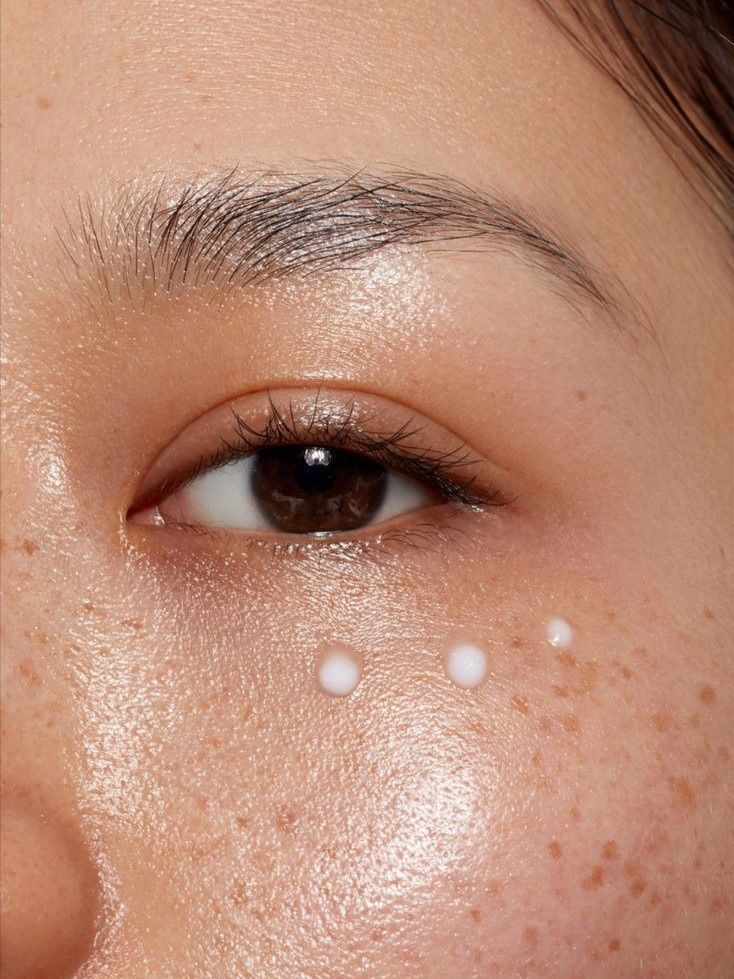
The prep order for dehydrated skin is specific. A hydrating toner or essence applied immediately after cleansing is the first layer — it delivers water into the skin before it has a chance to lose moisture to the air. Press it in with your palms rather than wiping it across the skin.
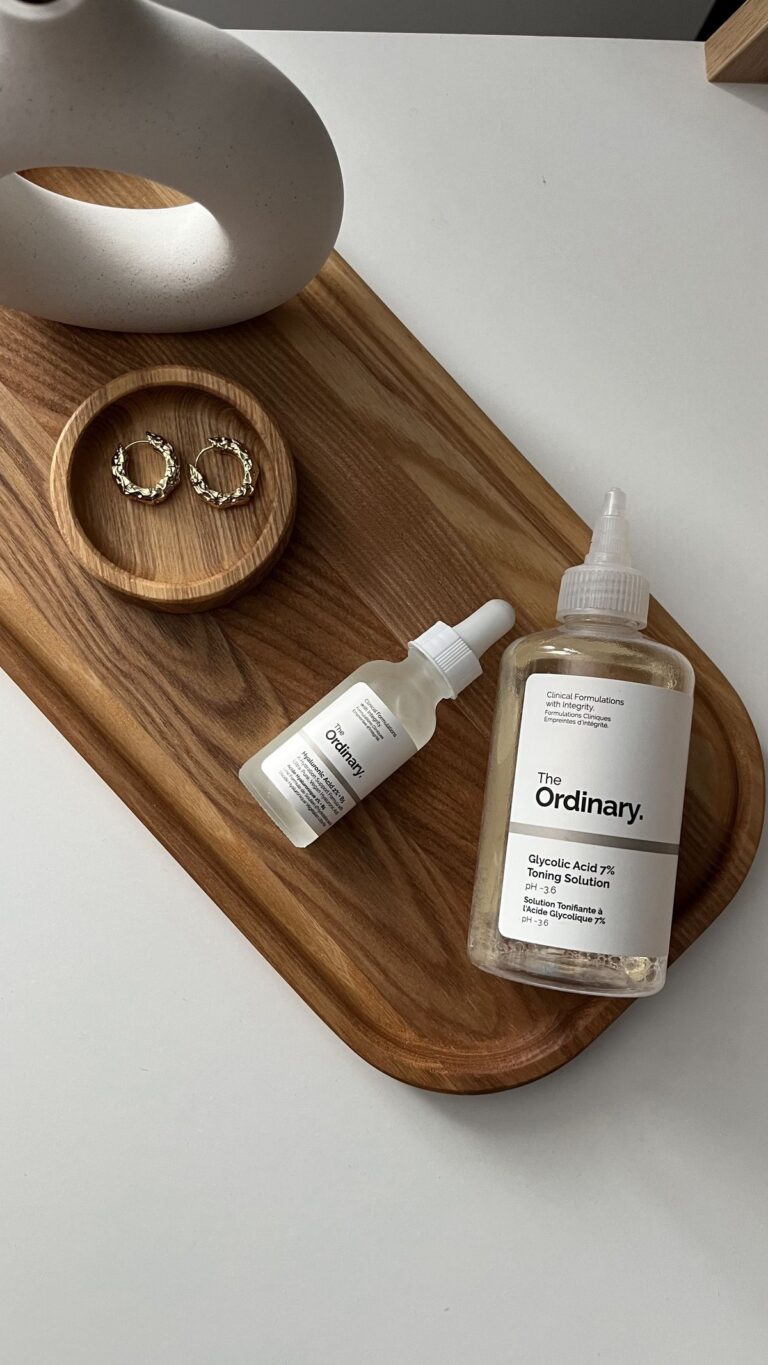
A hyaluronic acid serum goes on next while the skin is still slightly damp. Hyaluronic acid draws moisture from the environment into the skin — applying it to damp skin gives it more to work with. One to two drops pressed across the face is enough. More product doesn’t mean more hydration.
Seal With the Right Moisturiser
A moisturiser on dehydrated skin has one primary job — sealing in the hydration you’ve just layered underneath. Look for formulas that contain a combination of humectants to draw moisture in, emollients to soften, and occlusives to lock it there. Glycerin, ceramides, and squalane together cover all three functions.
For dehydrated oily skin, a lightweight gel moisturiser does this without adding heaviness. For dehydrated combination skin, a fluid cream works across both areas. The goal is a surface that feels plump and comfortable — not greasy, not tight, not tacky.
Wait Before You Apply Makeup
This is the step most people skip and the one that makes the biggest difference. Skincare that hasn’t fully absorbed creates a slippery surface that foundation moves around on rather than grips. Give your moisturiser and SPF a full five minutes to absorb before touching your base.
Use that time to do your brows or eyes. By the time you come back to your base, your skin will be genuinely ready for it.
Choose the Right Foundation Formula
On dehydrated skin, matte foundations emphasise every dry area and make dehydration look more visible rather than less. A serum foundation, a skin tint, or a satin-finish foundation gives the most natural result on skin that needs water rather than coverage.
Apply with a damp beauty sponge rather than a brush. The water in the sponge adds an extra layer of hydration to the formula as you apply it and prevents the dragging that can happen on skin that’s not fully plump.
Set Lightly
Powder on dehydrated skin looks flat and can emphasise the dullness that comes with a lack of hydration. If you need to set, use the smallest amount of translucent powder only where you need it — typically the T-zone — and finish with a hydrating setting spray across the whole face.
The spray reactivates the moisture in your skincare and foundation, giving skin a natural, plump finish that powder alone can’t replicate. According to Allure, a hydrating setting spray is one of the most consistently recommended finishing steps by makeup artists for dehydrated skin — it closes the gap between how skin looks under studio lighting and how it looks in real life.
Publishing industries for previewing layouts and visual mockups.