






Related Posts



By Siena Brown • June 2, 2026 • 4 mins read



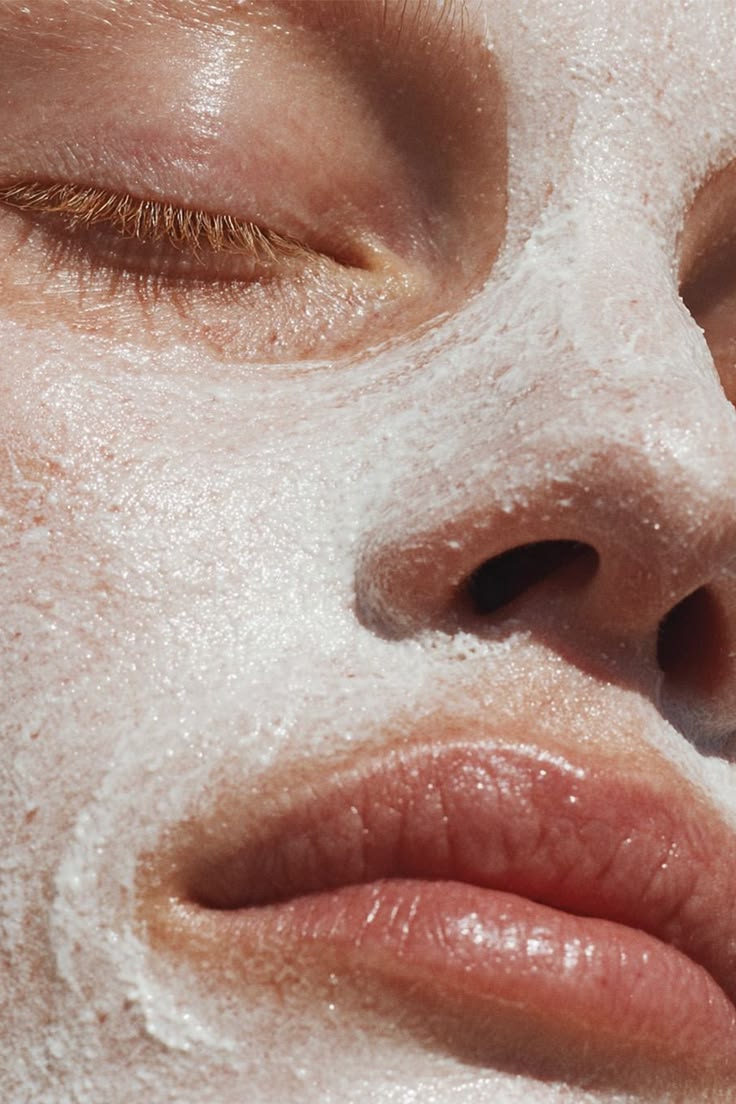
Breakouts that show up more in summer aren’t always a coincidence — sweat, oil, and makeup sitting together on skin for hours in the heat creates a genuinely different environment than the same routine in cooler months. It’s not that makeup or sweat are individually the problem; it’s the combination, held against skin for longer than usual, that tends to trigger the clogged pores and inflammation behind summer breakouts.
Understanding the actual mechanism makes prevention more straightforward than switching products at random. Here’s what’s driving it, and the routine adjustments that genuinely help.
Sweat changes the surface of skin in a way that can trap makeup and naturally occurring oil against pores more effectively than either would alone. Increased summer oil production adds another layer to this — more oil, mixed with sweat, mixed with product sitting on top, creates conditions that are simply different from a cooler, drier day with the same makeup routine.
This is why breakouts often cluster in areas with the most overlap between sweat and makeup coverage — the t-zone, hairline, and jawline all tend to combine heavier product application with areas prone to heavier sweating, making them the most common sites for this specific kind of breakout.
Non-comedogenic labelling indicates a formula is less likely to clog pores, but the label isn’t independently verified in the same way some skincare claims are, so it’s worth treating it as a helpful indicator rather than an absolute guarantee. Ingredient lists still matter alongside the label itself.
Switching an entire routine to “oil-free” everything isn’t automatically the fix, and can sometimes overcorrect in a way that leaves skin under-moisturised, which paradoxically can increase oil production to compensate. The better approach balances coverage needs with pore-clogging risk specifically for summer conditions — a lighter, non-comedogenic base doesn’t have to mean giving up coverage entirely, just choosing formulas built for the season rather than defaulting to a heavier winter routine.
Proper cleansing before makeup application matters more in summer simply because skin is starting the day with more oil production to begin with — makeup applied over already-oily, under-cleansed skin has a harder starting point than makeup applied to properly prepped skin.
A lightweight, non-occlusive moisturiser avoids adding another layer of richness on top of skin that’s already producing more oil than usual. Oil-control primer genuinely helps reduce shine and improve makeup longevity, but it isn’t a substitute for proper cleansing or a lighter moisturiser choice — it works best as one part of a routine built around reducing what makeup has to sit on top of, not as a fix applied on top of an otherwise unchanged routine.
Makeup left on for longer periods in summer increases breakout risk more than the same duration would in cooler, drier conditions, simply because sweat and oil are actively working against skin for that entire time rather than sitting relatively inert.
On days with heavy sweating — a workout, an especially hot commute, extended time outdoors — removing makeup sooner rather than waiting until the end of the day genuinely reduces the window during which sweat, oil, and product are combining against skin. A proper double cleanse clears sweat-mixed residue more thoroughly than a quick wipe, which matters more on these higher-sweat days specifically. Rinsing thoroughly afterward closes the loop — leftover cleanser mixed with the day’s residue doesn’t fully solve the problem it’s meant to address.
None of this requires overhauling an entire routine. Adjusting formula choice, prep, and removal timing within an existing routine addresses most of the risk without requiring a complete rebuild each summer.
On genuinely high-sweat or high-activity days, simplifying makeup altogether — skipping heavier base products in favour of minimal coverage — reduces the overall load on skin more effectively than trying to make a full routine work under conditions it wasn’t built for. Spot treatment has its place for occasional breakouts, but it’s a response rather than a prevention strategy; the adjustments above are what actually reduce how often spot treatment is needed in the first place. Persistent breakouts that don’t respond to these adjustments are worth addressing with a dermatologist rather than continuing to cycle through routine changes alone.
Summer breakouts usually come down to sweat, oil, and makeup sitting together on skin longer than they would in cooler months — not a sudden change in skin type. Adjusting formula choice, prep, and removal timing addresses the actual mechanism, rather than switching products at random and hoping for a different result.
Publishing industries for previewing layouts and visual mockups.