







Related Posts


By Candace Lee • March 10, 2026 • 7 mins read


Most skincare routines are built around addition. But building a minimalist barrier routine can outperform a complex one, especially under makeup. A well-functioning skin barrier, supported by an intentional number of compatible products, will do more for your skin than an over-layered routine. You increase the chance for better hydration retention, less reactivity, smoother texture, and makeup that actually stays.
This article covers what a minimalist barrier routine looks like in practice, why it works, and how to build one that gives your makeup the best possible surface to work with.
The skin barrier doesn’t get talked about enough in the context of makeup, even though it has one of the biggest impacts on how your foundation performs.
The barrier’s job is to keep moisture in and environmental stressors out. Meaning, when it’s functioning well, the skin stays hydrated throughout the day, your foundation stays on evenly, and the products absorb cleanly without interference. When it’s compromised by over-exfoliation, too many actives, or products that disrupt its natural balance, the consequences can appear almost immediately. The foundation shifts, appears patchy, or breaks down faster than it should. Leaving your base looking uneven, regardless of how carefully you apply makeup.
The important thing to understand is the difference between a hydrated barrier and an overloaded surface. Applying more products doesn’t always mean better barrier function. Too many layers can create a surface that’s difficult for makeup to stick to and easier for it to break down on. For some people, using fewer products can make a routine easier to stick to and may help avoid unnecessary irritation..
Research published in the International Journal of Cosmetic Science confirms that ceramides are an important part of the skin barrier and help support its function. That’s why, how they’re formulated matters as much as whether they’re present at all (Pubmed).
Everything beyond these four steps is optional. These aren’t.
1. A gentle cleanser is the foundation of everything that follows. Barrier-supportive cleansing — a formula that removes what needs to be removed without stripping your skin of natural oils. Also, sets the skin up for every product that comes after it. Using a cleanser that leaves the skin feeling tight is already working against the routine.
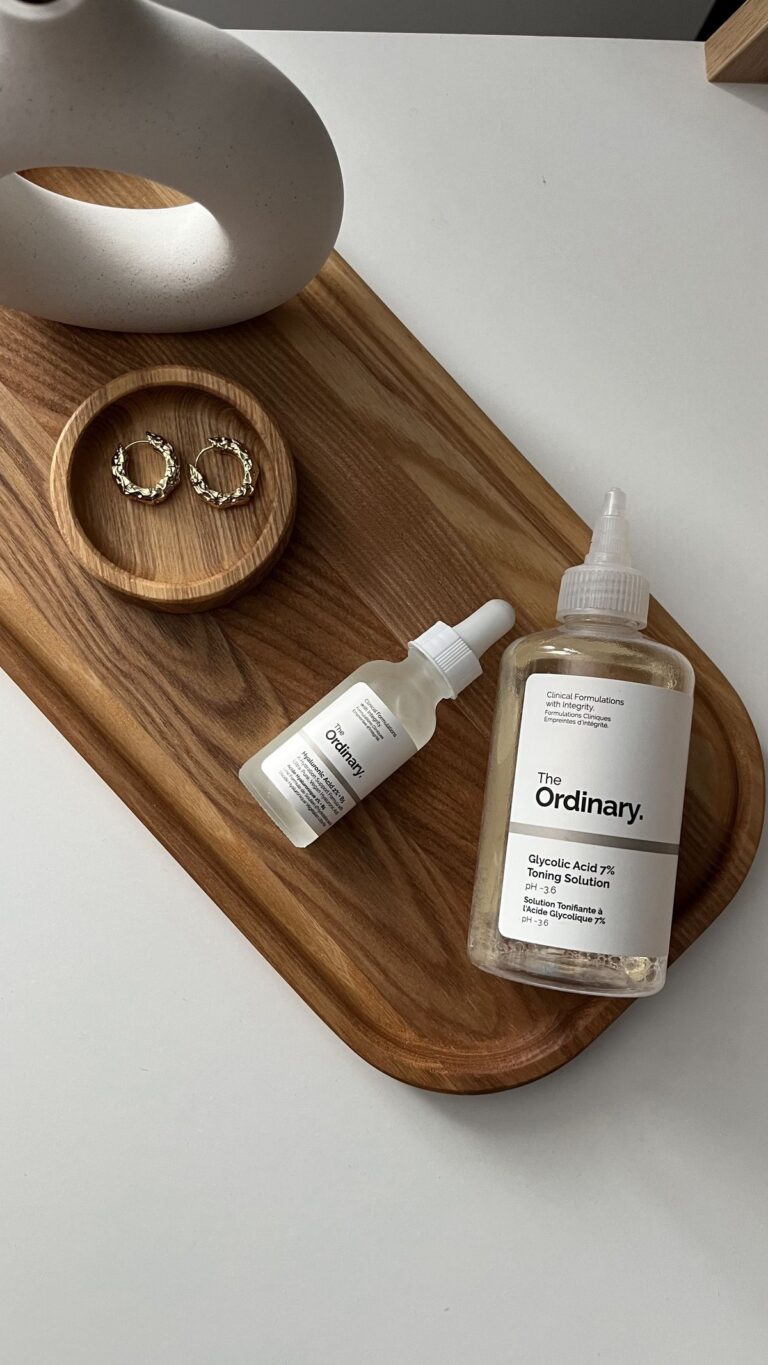
2. One hydration serum that is barrier-compatible, like a Hyaluronic acid, ceramides, or panthenol. Each of these supports the barrier in a specific way without placing additional demands on it. This is not the step for high-concentration actives on a daily basis. The serum’s role here is to hydrate and support, not to treat it.
3. A moisturiser that locks in that hydration and completes the barrier. Choosing the right formula by skin type matters a lot here — a gel-cream for oily skin, a lotion or cream for dry skin, and something in between for combination skin. The finish should feel comfortable and absorb before your makeup goes on, not too slippery or heavy.
4. SPF. Non-negotiable, especially for makeup wearers. UV damage compromises the barrier over time — the same barrier the rest of this routine is working to support. A fluid formula that layers cleanly under foundation is worth finding and keeping.
Most people don’t need to start from scratch. They need to identify what’s contributing and remove what isn’t.
The compatibility question is the first thing to ask yourself, as some products in a routine can work against each other. A pH-sensitive vitamin C applied too close to an acid, or a barrier-disrupting active layered under a fragrance-heavy moisturiser. Applying incompatible products doesn’t just cancel each other out, but can actively compromise the skin surface that makeup needs to sit on.
Ingredient overlap is worth checking, too. If three products in the routine contain niacinamide, only one of them needs to. Duplicate ingredients across multiple products add load without adding function — and load is exactly what this audit is trying to reduce.
The most practical method is the one-in, one-out test. Remove one product at a time and assess your skin over two weeks. If nothing changes, the product wasn’t contributing much to your routine. If skin improves, it was actively causing a problem, and if skin gets worse, it is earning its place.
Give your routine a few weeks before deciding whether it’s working for your skin. Skin takes time to recalibrate after product load is reduced — the first week or two can feel slightly different as the barrier adjusts. What comes after is usually more stable and more consistent than before.
The difference isn’t dramatic at first. It’s gradual. And it shows up in ways that are directly relevant to how your makeup looks.
With less redness, there is less to correct before the foundation goes on. Noticing a more even texture means the foundation sits seamlessly across your face rather than clinging in some areas and sliding in others. Better hydration retention means the skin underneath stays stable throughout the day rather than shifting and pulling product with it.
The longevity improvement is often the most noticeable change. A well-functioning barrier keeps moisture where it should be, inside the skin rather than evaporating throughout the day. Foundation applied over properly hydrated, barrier-supported skin holds significantly longer than the same formula applied over a compromised surface. Setting products help, but they can’t compensate for poor barrier function underneath.
Reduced sensitivity under makeup is the other consistent benefit. A healthy barrier is less reactive to foundation ingredients, less prone to irritation and redness that some makeup wearers experience by the end of a wear day. That reaction is often barrier-related rather than a product sensitivity. And it responds well to barrier repair rather than switching formulas. r-related rather than a product sensitivity, and it responds well to barrier repair rather than formula-switching.
The four steps are the same for every skin type. The formula choices within those steps are where skin type matters.
Oily skin benefits from barrier support in a counter intuitive way. A compromised skin barrier can leave skin feeling dry, irritated or more oily than usual. That’s why over-stripping oily skin makes it oilier, not less. A lightweight gel cleanser, a water-based HA serum, and a gel-cream moisturiser give the barrier what it needs without triggering more oil. Foundation on well-supported oily skin holds noticeably longer than on over-stripped skin.
Dry skin needs the barrier-repair ingredients most urgently. Ceramides and fatty acids in both the serum and moisturiser steps rebuild the lipid structure that dry skin lacks. That structure is what allows skin to stay hydrated long enough for foundation to sit smoothly throughout the day. A cream moisturiser and an SPF with a hydrating base keep the barrier intact from morning through wear.
Sensitive skin almost always improves with simplification. The fewer products on sensitised skin, the fewer potential triggers. Plus, reactions are easier to trace to a specific product when the routine is minimal. Fragrance-free, short ingredient lists, and no actives until the barrier is stable are the practical starting points. Once skin is calm, actives can be reintroduced one at a time.
Combination skin benefits from zoning applied to a minimal routine. The same four steps, but with a lighter moisturiser through the T-zone and a slightly richer one through the cheeks. Two products doing one job each, rather than one product compromising across both zones.
A minimalist barrier routine isn’t about using fewer products for the sake of it. It’s about understanding what skin actually needs to function well and removing everything that isn’t contributing to that. The result is skin that holds makeup better, reacts less, and improves consistently over time without needing constant adjustment.
The four steps are simple. The discipline is in not adding back what doesn’t need to be there.
For rest days that support this approach between active routine days: [Why Rest Days Are a Non-Negotiable Part of Your Beauty Routine]. And for the full morning routine to build on: [The Morning Skincare Routine for Flawless All-Day Makeup].
Publishing industries for previewing layouts and visual mockups.