






Related Posts





By Siena Brown • October 19, 2026 • 3 mins read


There’s a particular kind of winter makeup problem: you apply your foundation expecting a smooth, polished finish, only to discover that it has somehow found every dry patch on your face.
Cold weather and lower humidity can make skin feel drier, while indoor heating can add to the problem.
The answer isn’t necessarily a new foundation. Often, it’s what you do before it.
If your skin is dry underneath your makeup, adding more coverage won’t make it disappear.
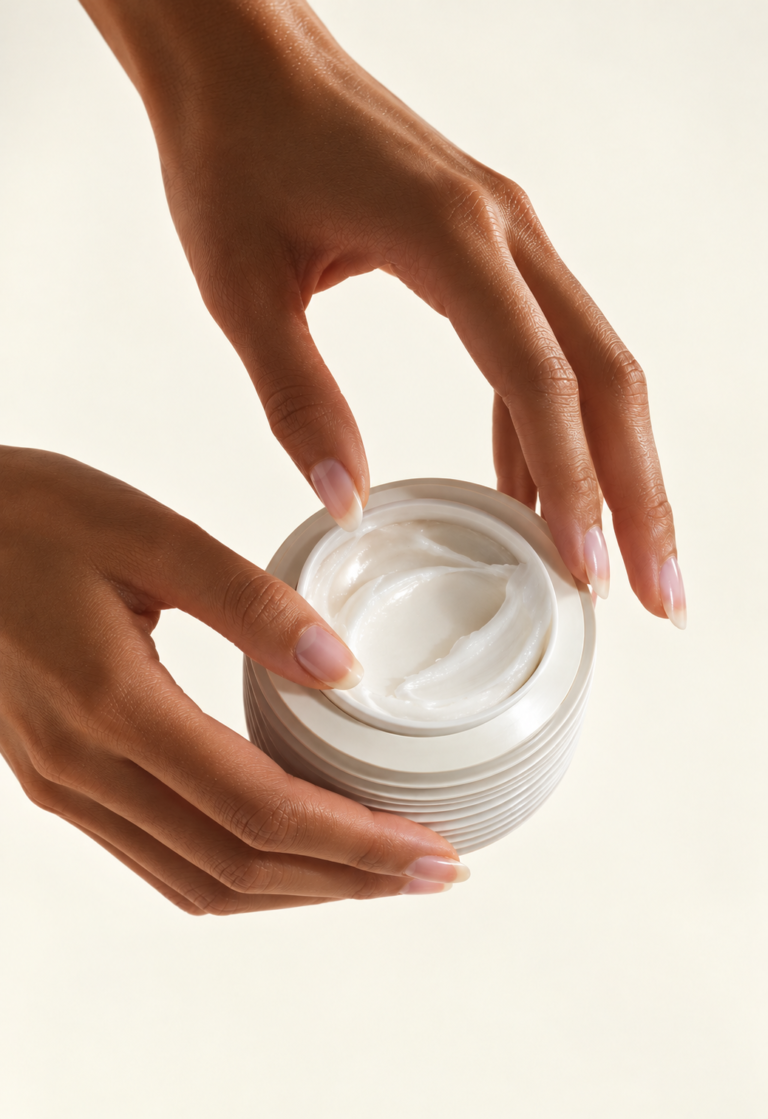
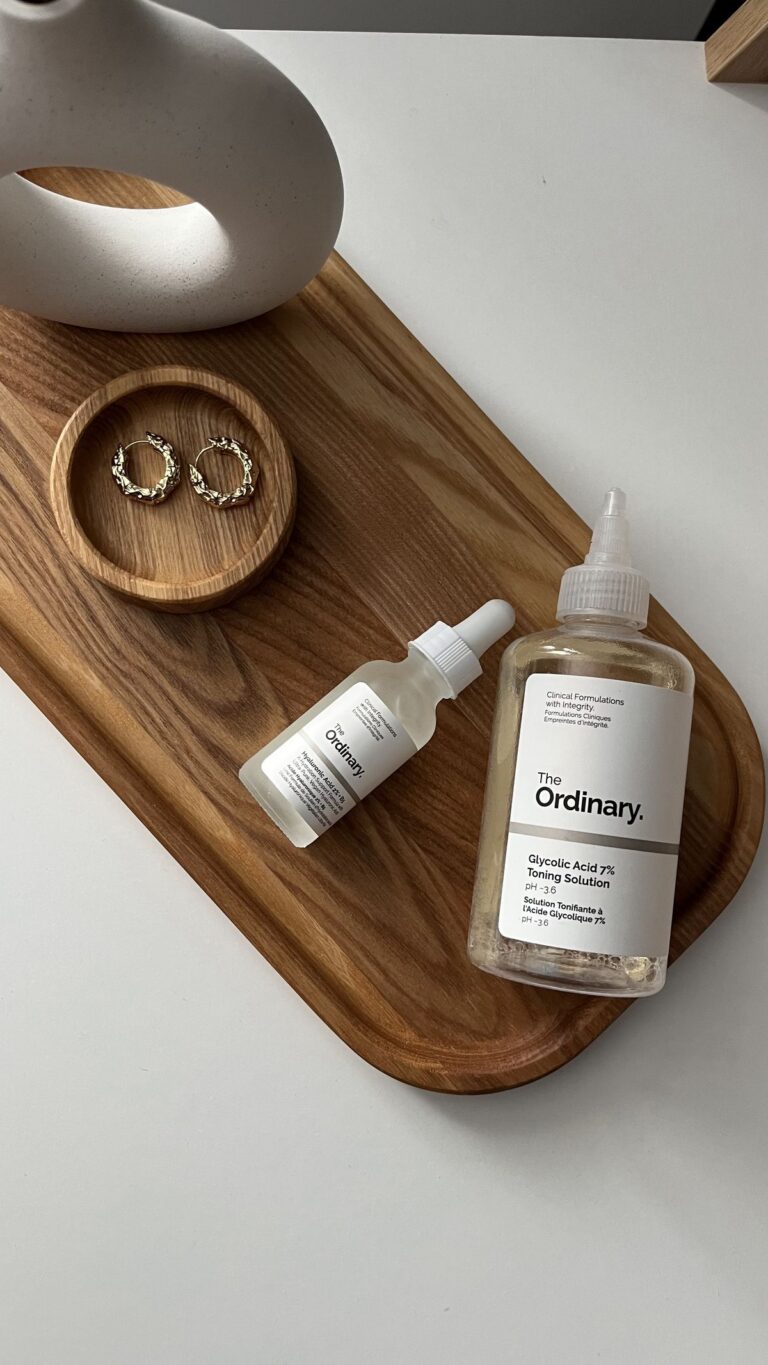
Begin with a gentle cleanse and follow with a moisturiser suited to your skin. Creams tend to be more effective than lighter lotions for very dry skin, and ingredients such as glycerin, ceramides and hyaluronic acid can help support hydration.
Give your skincare a few minutes to settle before reaching for makeup.
Flaky skin can be tempting to scrub away, but aggressive exfoliation can leave already-dry skin feeling even more uncomfortable.
If your skin is visibly dry or irritated, focus on moisturising rather than trying to remove every last flake. The American Academy of Dermatology specifically advises caution with exfoliating products when skin is very dry.
Once your skin feels comfortable again, you can work out whether your usual exfoliating routine still feels right.
Winter doesn’t automatically mean you need a dewy foundation.
What matters is finding a formula that works with your skin rather than sitting heavily on top of it. If your usual matte foundation suddenly looks flat or catches around the nose and mouth, try using less product or switching to a more flexible, natural finish.
You can also keep your coverage targeted: apply foundation where you want it and leave areas that don’t need it alone.
You don’t necessarily need to moisturise your entire face with a heavy cream.
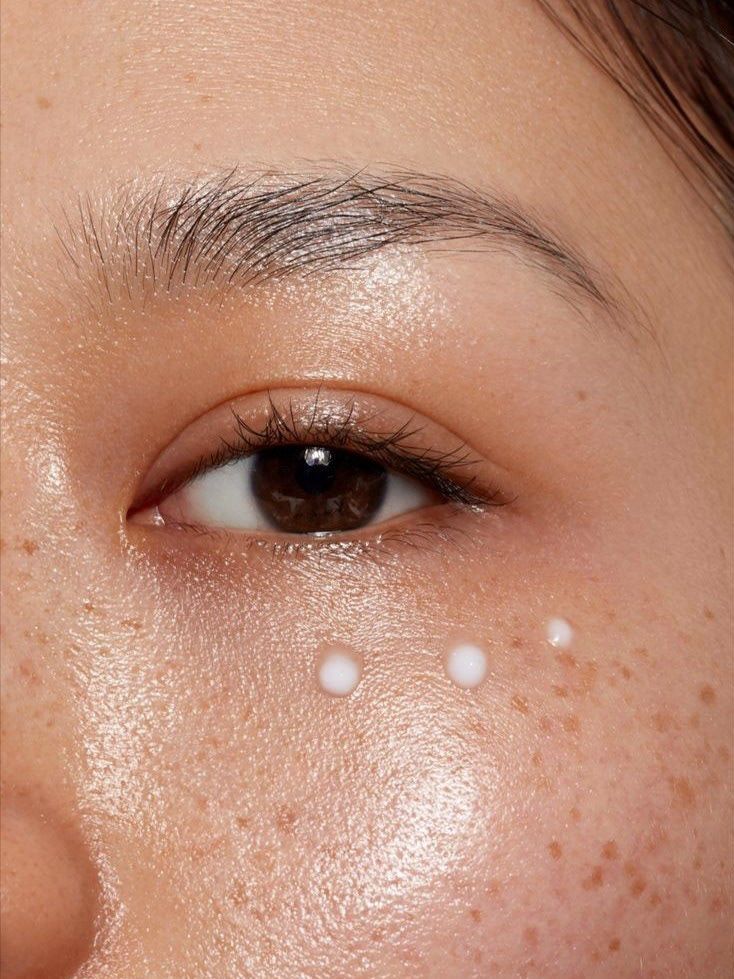
If the cheeks or around the nose are particularly dry, spend a little more time there. A small amount of moisturiser pressed into the skin can make a noticeable difference to how makeup sits.
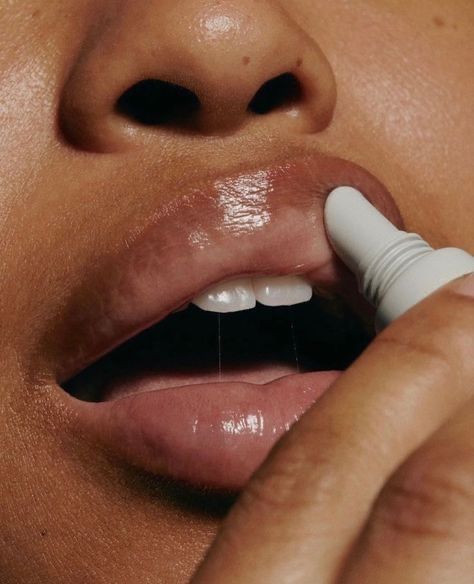
The same goes for the lips. Keep them comfortable with a simple balm before applying lipstick, particularly if you’re wearing a matte formula.
More makeup rarely solves texture.
Start with a thin layer of foundation and add coverage only where you actually need it. A damp makeup sponge can also help create a softer finish if you prefer your base to look more skin-like.
And don’t be afraid to let a little real skin show through. In colder weather, a lighter base often looks fresher than trying to create a completely flawless surface.
If powder is part of your routine, use it selectively.
A little through the centre of the face can help with shine without mattifying areas that are already dry. There’s no reason to powder your cheeks simply because you always have.
The goal isn’t to make your skin look perfectly smooth. It’s to create a base that moves with it.
So when your makeup starts clinging to dry patches, resist the urge to pile on more product. Look at the skin underneath first, make your prep a little more nourishing and let your foundation do less.
Publishing industries for previewing layouts and visual mockups.